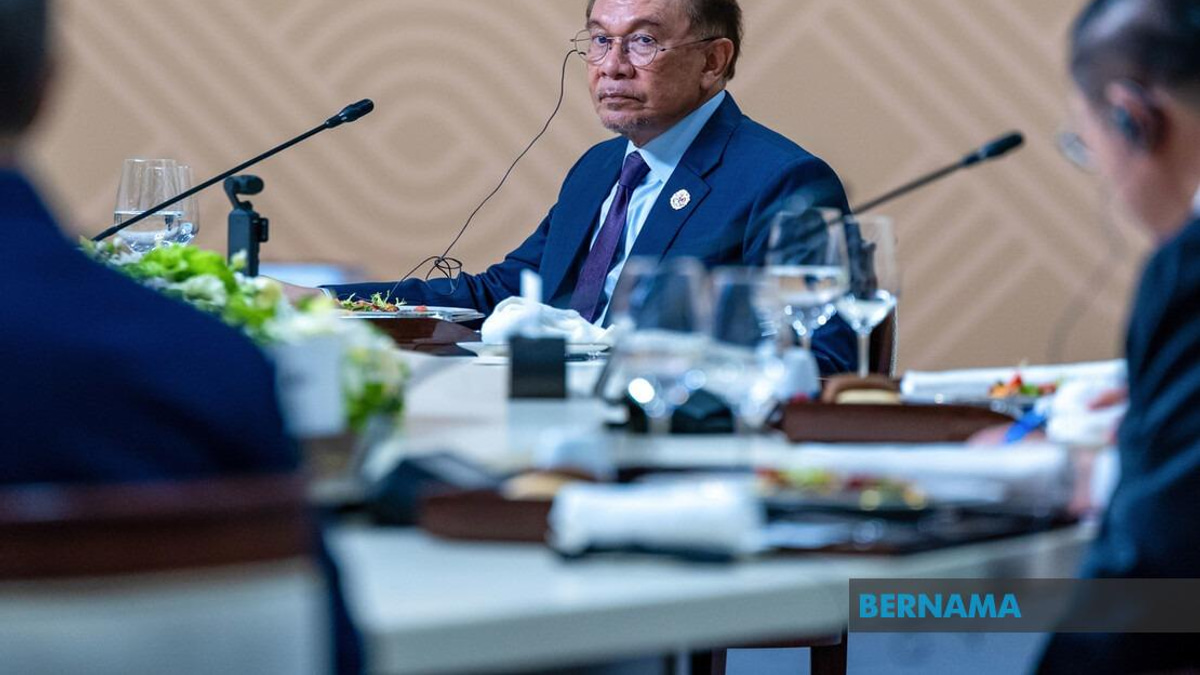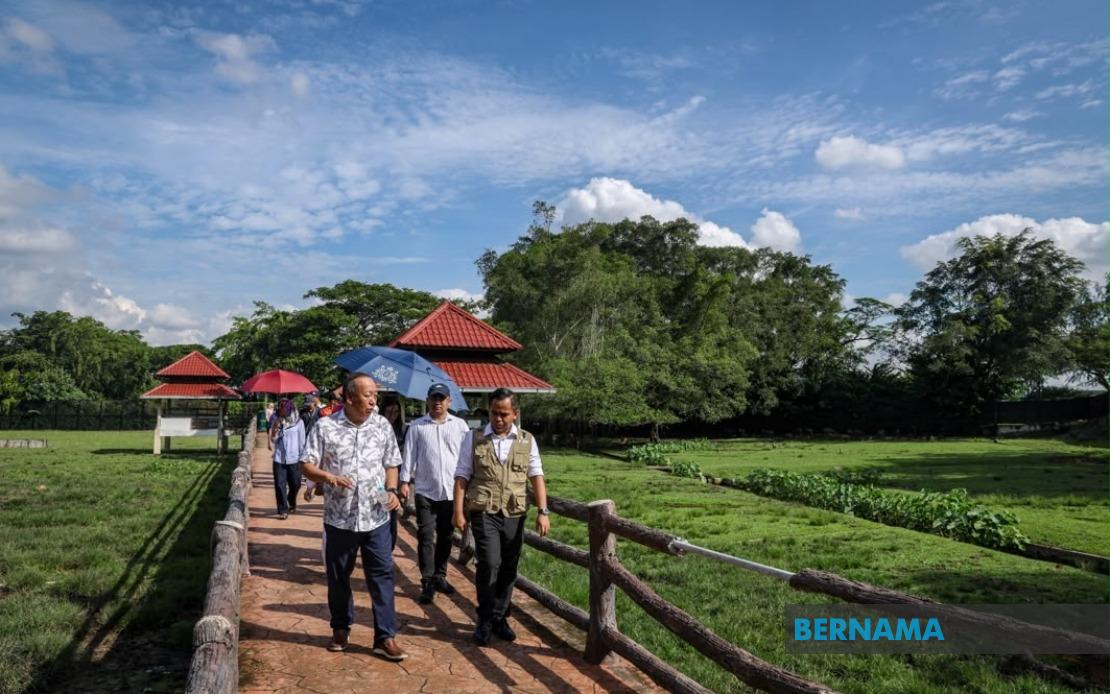
The Sabah chapter of UMNO has committed substantial organisational resources to bolster Barisan Nasional's electoral prospects in the forthcoming Johor state election, with concentrated efforts directed toward constituencies housing significant migrant voter populations from the East Malaysian state. Datuk Jafry Ariffin, who chairs the Sabah UMNO liaison committee, outlined the party's strategic deployment during a visit to Johor Bahru, emphasising that the two constituencies of Permas and Johor Jaya within the Pasir Gudang parliamentary division represent priority battlegrounds where BN candidates will receive sustained organisational backing.
The decision to focus on these particular seats reflects demographic realities on the ground. Electoral records indicate approximately 3,000 registered voters originating from Sabah currently reside in Permas, with an additional 2,000 concentrated in Johor Jaya. This substantial presence of East Malaysian voters, while forming a minority within each constituency's broader electorate, may prove significant in closely contested races where victory margins tend to narrow. The concentration of Sabahan voters in these specific areas has motivated BN's strategy of leveraging community networks and cultural affinity to mobilise support among this demographic segment.
Sabah UMNO's involvement in these constituencies is not unprecedented. Jafry noted that the party received similar assignments four years earlier during the 2022 Johor state election campaign, providing continuity in organisational approach and enabling the deployment of accumulated institutional knowledge. The party's prior experience in navigating the local political landscape, understanding voter concerns particular to the Sabahan community, and establishing ground-level networks of party volunteers and supporters furnishes a foundation upon which current campaign preparations can build. This continuity suggests BN's confidence in the effectiveness of Sabah UMNO's previous efforts and its capacity to replicate or improve upon those results.
The Sabah Minister of Tourism, Culture and Environment disclosed that preliminary mobilisation efforts have already commenced on a limited scale as part of early-stage preparations. These foundational activities likely involve rebuilding dormant networks, conducting voter registration checks, and establishing coordination structures between Sabah-based UMNO personnel and local BN campaign machinery in Johor. However, Jafry indicated that the intensity and scope of campaigning will substantially accelerate following nomination day, scheduled for June 27, when official campaign periods commence and regulatory frameworks governing political messaging take effect.
This phased approach reflects electoral regulations governing campaign conduct and the practical logistics of deploying out-of-state political machinery. The Election Commission has scheduled polling for July 11, providing a two-week intensive campaign window during which Sabah UMNO volunteers will conduct voter outreach, distribute campaign materials, and engage directly with the Sabahan electorate. The timing allows sufficient preparation without premature expenditure of campaign resources or volunteer energy in extended preliminary phases that might result in engagement fatigue by polling day.
The Johor state election carries significance beyond a single state's political complexion. The Johor State Legislative Assembly comprises 56 seats, and prior to dissolution on June 1, Barisan Nasional held commanding control with 40 seats. The opposition coalition Pakatan Harapan occupied 12 seats, Perikatan Nasional held three, and MUDA secured one seat. This existing configuration, while favouring BN substantially, may face challenges given broader electoral dynamics across Malaysia and perceptions regarding governance issues or national political developments.
Sabah's role in supporting Johor campaigning reflects the federal structure of Malaysian politics and the practice of major parties deploying inter-state resources toward critical contests. This mechanism enables parties to concentrate support where competition appears closest and where organisational advantages prove most valuable. For BN, accessing Sabah UMNO's machinery represents a method of amplifying ground presence without expanding the bureaucratic footprint of peninsular party structures. Conversely, Sabah UMNO's participation deepens the party's engagement with broader peninsular electoral outcomes, reinforcing Malaysia's integrated national party structure.
The strategic focus on Sabahan migrant communities also highlights demographic patterns within Malaysian urban centres. Economic migration from East Malaysia toward opportunities in peninsular cities, particularly Johor's manufacturing and petrochemical sectors, has created populations maintaining cultural and personal ties to their origin states. Political parties increasingly recognise these communities as distinct demographic blocks whose voting preferences may reflect particular concerns, whether relating to family connections, economic conditions in origin states, or cultural representation within political leadership structures. Sabah UMNO's deployment targets these voters directly through cultural and linguistic affinity.
For Malaysian political observers, the Johor election itself represents a significant test of BN's electoral viability following the party's mixed performance in the 2022 general election. While BN recovered parliamentary dominance during that contest, results varied substantially by state. Johor, traditionally a BN stronghold, offers an opportunity to demonstrate continued grassroots strength in peninsular heartlands. Success would reinforce BN's narrative of renewed political relevance, while setbacks could indicate persistent vulnerabilities despite national-level recovery.
The involvement of Sabah's political machinery in peninsular campaigns underscores how Malaysia's federal party system enables resource mobility across state boundaries during critical electoral moments. This cross-state cooperation strengthens major parties' competitive capacity but also reflects the reality that electoral competition remains genuinely contested in multiple constituencies. BN's recruitment of Sabah UMNO resources for Permas and Johor Jaya represents acknowledgment that these seats require concentrated effort rather than representing assured victories. The willingness to deploy external resources demonstrates party strategy prioritises securing maximum seats rather than assuming existing strength guarantees outcomes.