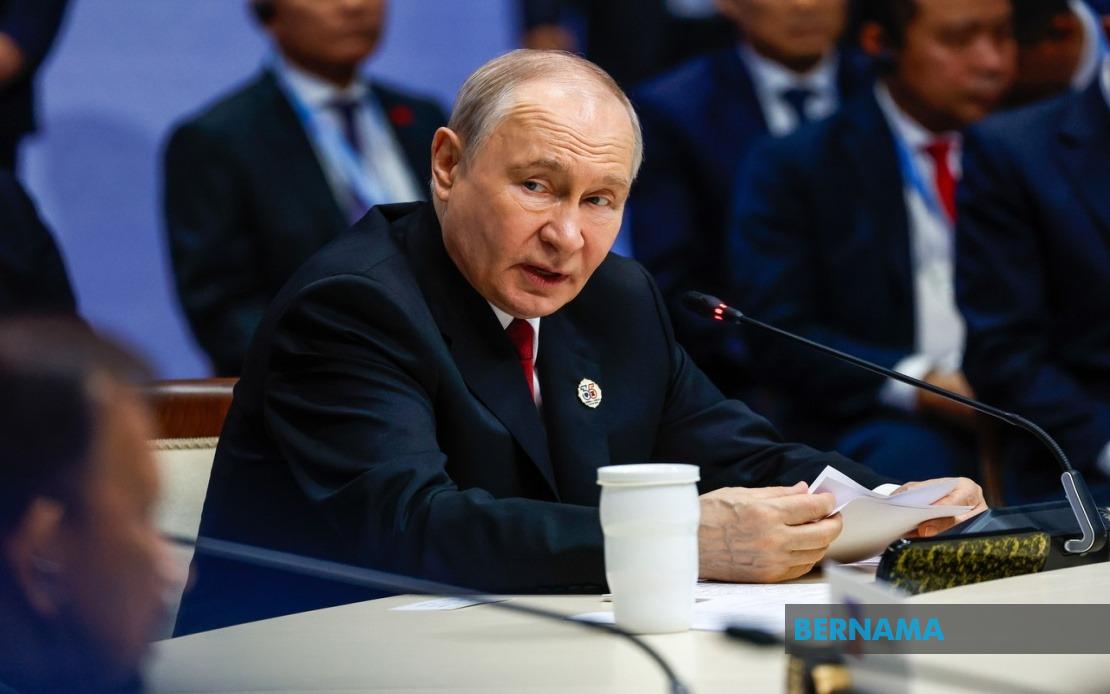
Russian President Vladimir Putin has characterised the three-and-a-half-decade relationship between Moscow and ASEAN as a cornerstone of regional stability, particularly as geopolitical tensions continue to reshape the Asia-Pacific landscape. Speaking at the ASEAN-Russia Commemorative Summit held in Kazan on June 18, Putin underscored how the two sides have constructed a comprehensive framework for collaboration that extends well beyond traditional diplomatic channels into the substantive domains that matter most to the region's prosperity and security.
The formal inception of Russia-ASEAN relations traces back to 1991, when Moscow and the Southeast Asian regional bloc established their first official ties in Kuala Lumpur. This foundational moment has since evolved through successive institutional deepening—Russia achieved full ASEAN Dialogue Partner status in 1996, a designation that positioned it alongside other major powers in having structured access to the bloc's deliberations. The relationship reached its current apex in 2018 when it was formally elevated to Strategic Partnership status, a designation that carries significant weight in ASEAN's careful calibration of its relationships with major powers.
Putin emphasised that the partnership rests squarely on adherence to international law and reciprocal interests, principles he framed as foundational to Russia's broader engagement strategy with Southeast Asia. According to his remarks, this foundation has enabled the two sides to construct an intricate lattice of bilateral and multilateral mechanisms spanning multiple sectors. The scope of collaboration now encompasses traditional security cooperation alongside newer domains such as digitalisation and scientific exchange, reflecting how both parties view their relationship as addressing contemporary challenges rather than merely maintaining historical continuity.
The infrastructure underpinning this partnership has grown substantially over time. Russia and ASEAN have established what Moscow describes as a robust legal and contractual architecture, supported by an extensive network of joint mechanisms that facilitate ongoing coordination. This institutional depth matters considerably in a region where ASEAN seeks to manage relationships with multiple major powers through formalised structures that prevent any single actor from dominating the diplomatic agenda. For Malaysia and other Southeast Asian nations, this layering of mechanisms provides channels through which regional voices can influence outcomes on matters affecting their interests.
Economic and energy cooperation constitute particularly significant pillars of the relationship. Russia possesses substantial reserves of natural resources and technological expertise that several ASEAN members depend upon, particularly in the energy sector. Conversely, Southeast Asia represents a growing market and technological hub that increasingly attracts Russian investment and commercial interest. Trade flows and energy security discussions have featured prominently in Russia-ASEAN dialogues, especially given recent global supply chain disruptions and the region's growing energy demands.
The summit's timing carries particular significance. It occurs amid a period of heightened global uncertainty encompassing both geopolitical tensions and economic volatility. Both Russia and ASEAN perceive value in demonstrating commitment to partnership and multilateral engagement even as international relations become increasingly fraught. For ASEAN members, maintaining substantive engagement with Russia serves their principle of non-alignment and equidistance from major powers—a cornerstone of their strategic doctrine that aims to prevent regional domination by any single actor.
Putin framed Russia's role in the Asia-Pacific as one of constructive participation in regional architecture development. He specifically highlighted how the Russia-ASEAN partnership contributes to what he termed a balanced security architecture, language that reflects Moscow's longstanding concern about being marginalised from regional security arrangements. For Southeast Asian states, Russia's involvement in regional discussions provides an alternative voice and prevents security arrangements from becoming entirely dominated by Western or Chinese perspectives.
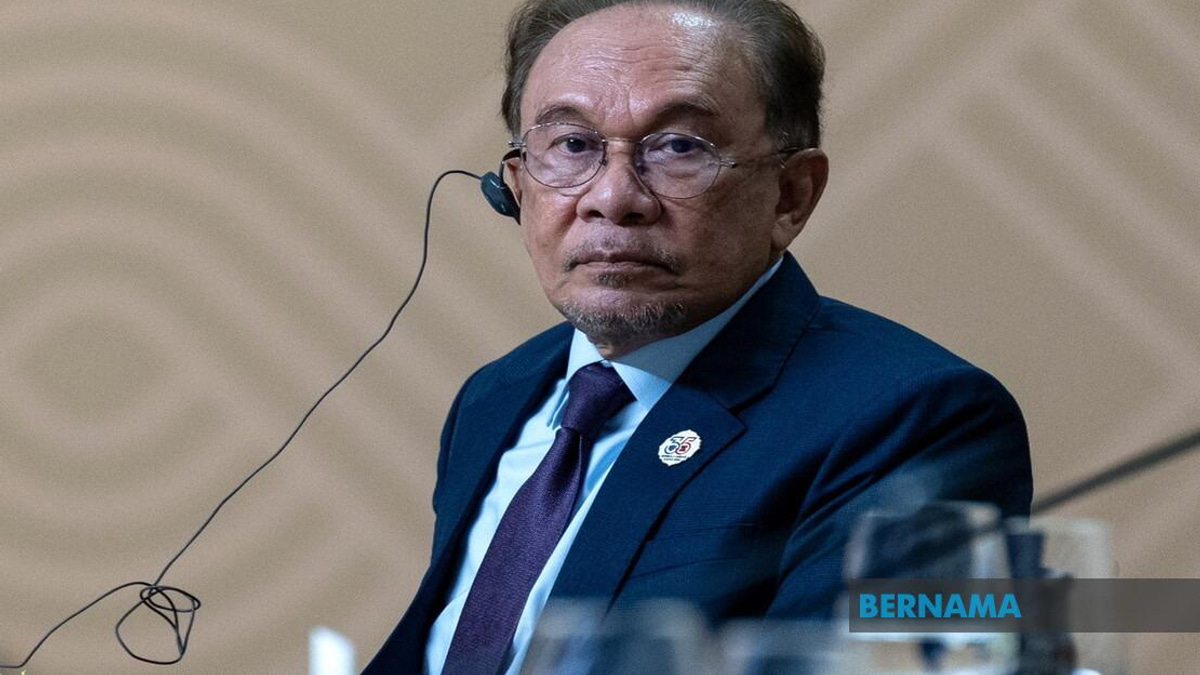
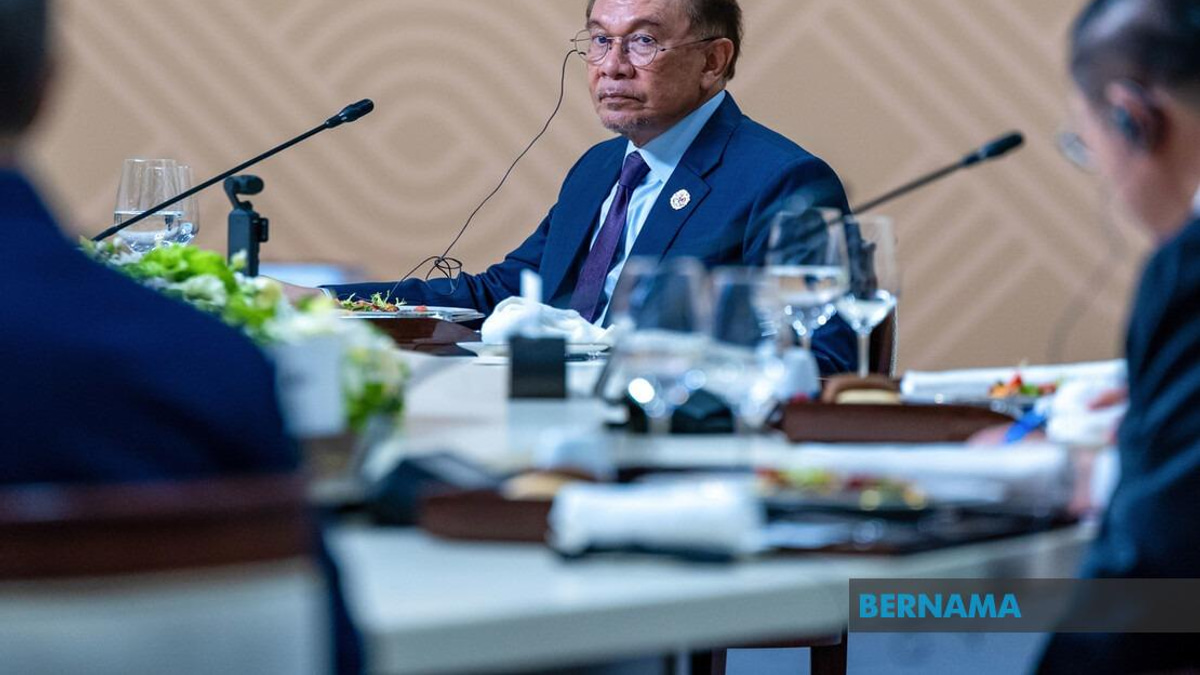
The two-day commemorative summit brought together high-level representation from across ASEAN, including Prime Minister Datuk Seri Anwar Ibrahim and Philippine President Ferdinand Marcos Jr, who held the rotating ASEAN chairmanship at the time. This attendance reflected the importance both parties attach to the occasion, while also enabling substantive discussions on future cooperation priorities. The assembled leadership used the platform to review partnership results across the preceding 35-year span whilst charting directions for upcoming collaboration.
Several specific areas emerged as focal points for expanded cooperation going forward. Food and energy security featured prominently given their importance to ASEAN's development agenda and Russia's capabilities in agricultural production and resource extraction. Digital transformation likewise received emphasis, recognising how technological advancement shapes competitive advantage and societal development in the modern era. Educational exchanges and scientific collaboration rounded out the agenda, reflecting recognition that human capital and knowledge transfer constitute long-term investments in mutual prosperity.
From a Malaysian perspective, the Russia-ASEAN partnership carries particular relevance given Malaysia's role as a significant regional economic player and its ongoing efforts to diversify partnerships beyond traditional Western alignment. Enhanced cooperation in technology transfer, energy security, and agricultural sectors could yield direct benefits for Malaysian development objectives. The partnership's emphasis on mutual respect and non-interference in internal affairs aligns closely with principles Malaysia and other ASEAN members champion in their own engagement strategies.
Russia's positioning within ASEAN diplomacy reflects broader patterns of how major powers navigate Southeast Asian relationships in an era of intensifying great-power competition. Rather than seeking to subordinate ASEAN to its interests, Russia emphasises the partnership's consensual nature and mutual benefit—an approach that resonates with ASEAN's preference for consultative, non-coercive diplomatic engagement. This stands in contrast to approaches characterised by demands for exclusive alignment or zero-sum competition.
Looking forward, the sustainability of Russia-ASEAN partnership will likely depend on both sides' ability to insulate economic and people-to-people dimensions from broader geopolitical friction. ASEAN's traditional emphasis on dialogue, consensus-building, and pragmatic engagement offers potential mechanisms for maintaining cooperative momentum even as broader international relations experience strain. For Malaysia and regional neighbours, a robust Russia-ASEAN relationship contributes to the multipolar architecture that allows Southeast Asian states meaningful agency in navigating great-power dynamics.