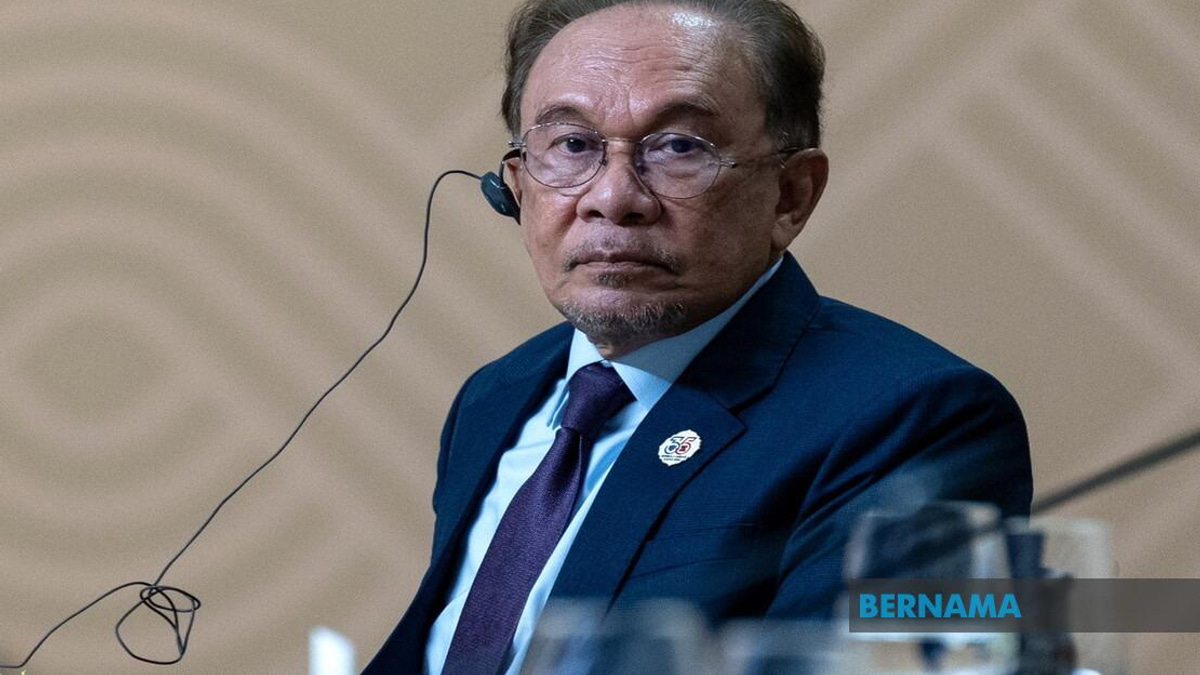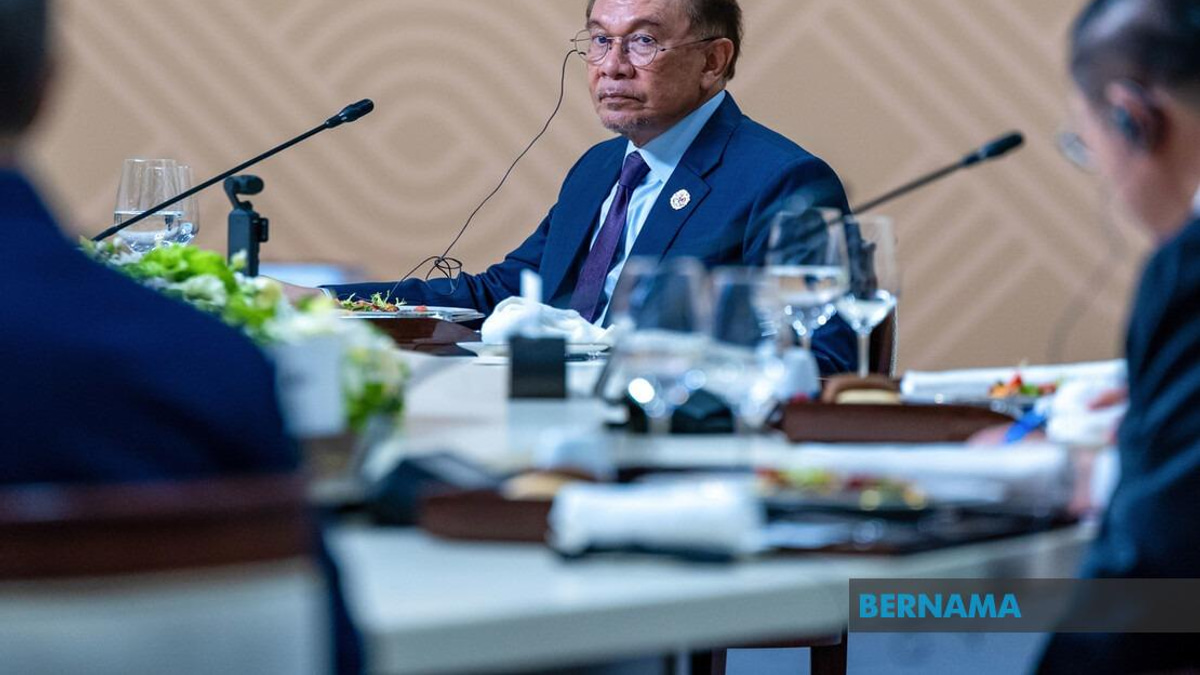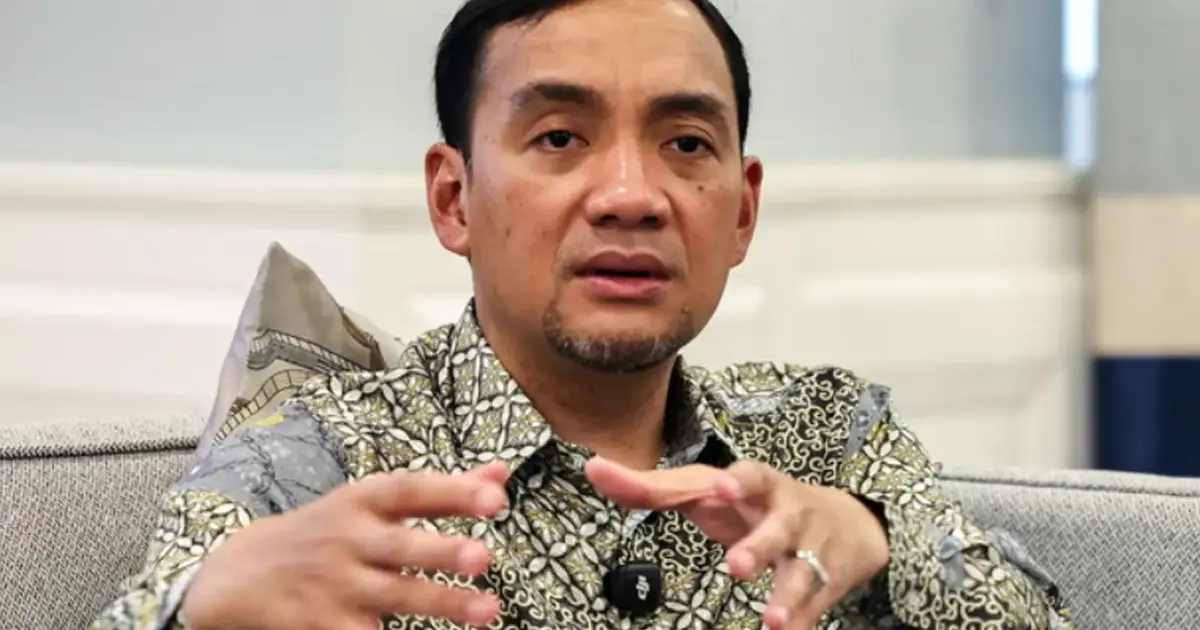
Johor Menteri Besar Onn Hafiz has made a pointed observation about the nature of political advancement in Malaysia's state administrations, cautioning that public prominence alone cannot secure the chief minister's post. In remarks that appear to address broader dynamics within the country's political landscape, Onn Hafiz stressed that royal sanction remains the ultimate determinant of who leads Johor's government machinery.
The statement carries particular weight given Malaysia's constitutional framework, where state rulers maintain substantial formal authority over executive appointments. While political parties may propose candidates and parliamentary arithmetic may create conditions favourable to particular individuals, the sovereign authority of the Malay Rulers—preserved through the Federal Constitution—ensures that royal consent cannot be bypassed. This layering of institutional power means that even the most visible or popular political figures cannot ascend to the menteri besar position without the explicit approval of the state ruler.
For Malaysian political observers, Onn Hafiz's remarks illuminate a tension that periodically surfaces in state-level politics. Media coverage and public visibility can create the impression that a particular politician is destined for high office, yet the formal constitutional framework operates independently of such perception-building. The menteri besar selection process therefore remains opaque in ways that purely electoral systems are not, reflecting Malaysia's hybrid constitutional monarchy structure where hereditary rulers retain executive powers alongside democratically elected legislatures.
Johor's political context makes this observation especially relevant. The state has experienced leadership transitions in recent years, and succession planning within state governments frequently generates speculation about which figures might emerge as frontrunners. Onn Hafiz's intervention suggests an attempt to moderate such speculation by reminding stakeholders—whether within his own party, the opposition, or the broader public—that constitutional protocol and royal prerogative ultimately determine outcomes.
The principle Onn Hafiz articulates extends beyond personality or factional advantage. It underscores a fundamental feature of Malaysian governance: the distribution of power between democratic institutions and constitutional monarchy. Unlike prime ministerial succession, which follows directly from parliamentary majorities, the menteri besar appointment involves a dual gatekeeping mechanism. A politician must simultaneously command sufficient support within the legislature and retain the confidence of the ruler. This dual requirement creates space for outcomes that might otherwise seem inconsistent with electoral or party political logic.
Understanding this dynamic proves crucial for any political figure seeking to climb the state ladder. Building parliamentary support, while necessary, remains insufficient without corresponding attention to maintaining royal goodwill. Onn Hafiz's comment suggests awareness that some politicians may prioritise public relations and media positioning while neglecting the subtler and less visible work of cultivating relationships with the palace apparatus. The menteri besar role, from this perspective, goes to those who master both registers simultaneously.
For political parties operating in Malaysia, the implication is that shortlisting procedures, internal party democracy, and public campaigns cannot replace the traditional work of interparty negotiation and palace diplomacy. Even dominant political coalitions must factor in the views and preferences of state rulers, particularly in states where those rulers have demonstrated a willingness to exercise their constitutional prerogatives. This dynamic differs markedly from purely parliamentary democracies where executive appointment follows mechanically from legislative arithmetic.
Regional observers of Malaysian politics will recognise in Onn Hafiz's remarks a reminder of institutional stability rooted in constitutional monarchy. While democracies elsewhere experience cycles of institutional challenge and constitutional retrenchment, Malaysia's rulers continue to exercise formal powers that, in practice, constrain the outcomes of democratic competition. The menteri besar selection process exemplifies how this co-existence of monarchy and democracy operates in practice, even as it occasionally generates tensions.
The broader implication reaches beyond Johor. Across Malaysia's states, menteri besars and chief ministers serve fundamentally at the pleasure of their respective rulers. This asymmetry, while perhaps less visible than executive instability or government dissolution in purely parliamentary systems, nonetheless shapes political calculations and constrains the strategies available to aspiring political leaders. Onn Hafiz's intervention appears designed to reset expectations about how advancement operates in this system, countering narratives that might otherwise overstate the autonomous power of political positioning.
For younger or ambitious politicians within state politics, the takeaway is clear: visibility matters, but institutional relationships matter more. The posters, media appearances, and public perception-building that characterise modern political competition function as necessary but not sufficient conditions for high office. Rather, those seeking the menteri besar position must balance public-facing political work with behind-the-scenes relationship cultivation, ensuring that their advancement trajectory remains aligned with the preferences of those who formally hold power to appoint them. In this sense, Onn Hafiz's statement functions as both explanation and warning.