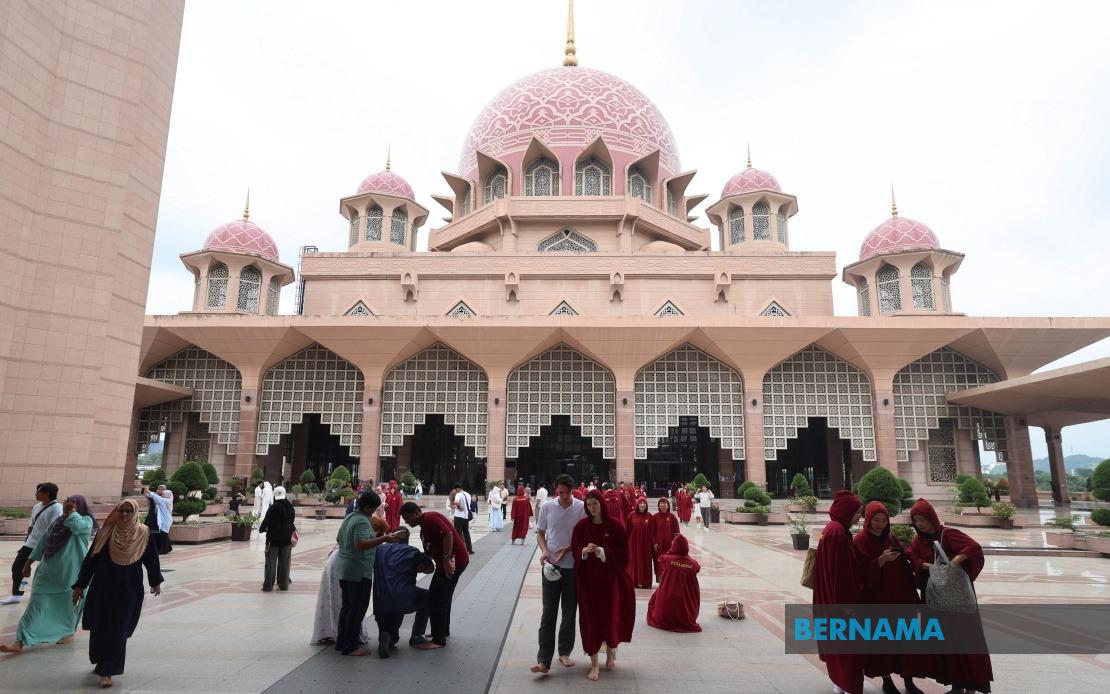
The National Maal Hijrah celebration at Putra Mosque in Putrajaya is set to draw around 5,000 participants from within Malaysia and abroad, reflecting the significance of this Islamic calendar milestone in the nation's official observance. Sultan of Perak Sultan Nazrin Shah will preside over the proceedings, marking the event as a high-level state occasion that underscores the importance placed on commemorating the Prophet Muhammad SAW's migration to Medina—a foundational moment in Islamic history.
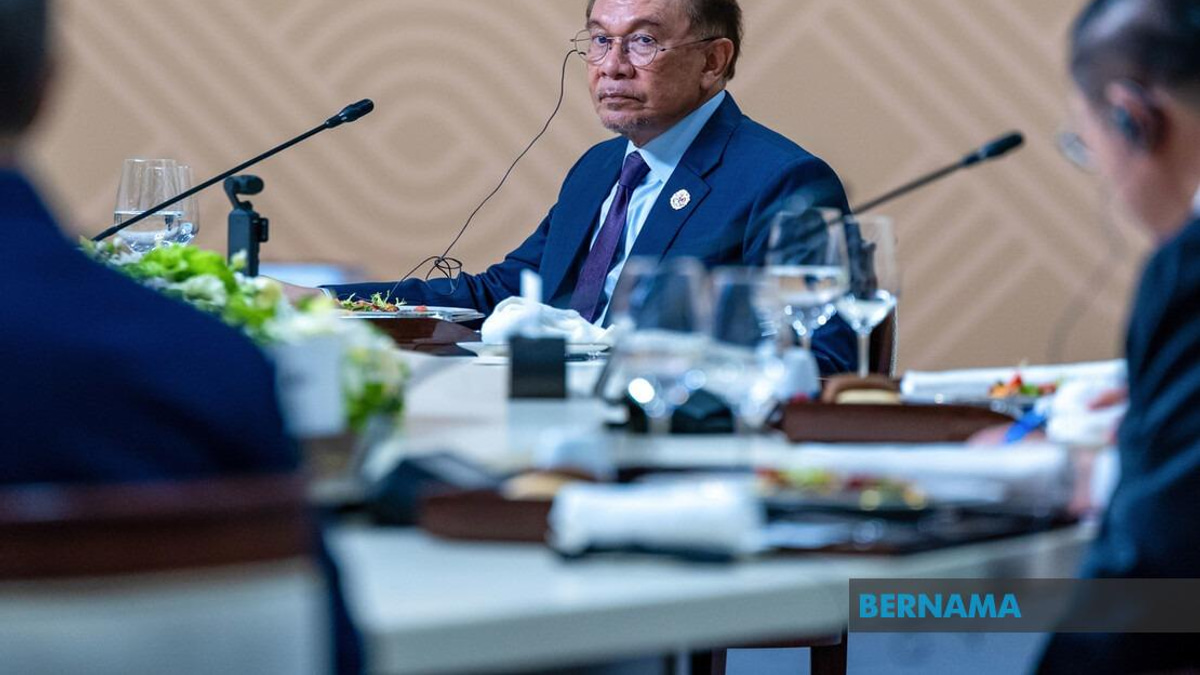
The gathering represents a convergence of government leadership and religious significance. In attendance will be Deputy Prime Ministers Datuk Seri Ahmad Zahid Hamidi and Datuk Seri Fadillah Yusof, alongside multiple Cabinet ministers, diplomatic envoys from various nations, departmental heads, and senior civil servants. This composition demonstrates how Malaysia's federal government integrates religious observances into its official calendar and diplomatic protocols, acknowledging Islam's central role in the nation's constitutional and cultural framework.
At the heart of the ceremony lies the Sultan's royal address, which traditionally provides the government's formal articulation of Islamic values and their contemporary relevance to Malaysian society. This is followed by the presentation of the National and International Tokoh Maal Hijrah Awards, a recognition programme that has become increasingly prominent in Malaysia's Islamic affairs calendar. These prestigious accolades honour individuals whose contributions extend beyond their professional expertise to encompass exemplary moral conduct and substantive advancement of Islamic knowledge and practice both domestically and on the world stage.
The criteria for these awards establish a framework that goes beyond academic or professional achievement alone. Recipients must demonstrate extensive knowledge within their respective domains, embody exemplary character that reflects Islamic principles, and show demonstrable contributions to the propagation and development of Islam at national and international levels. This multidimensional approach reflects Malaysia's emphasis on Islamic leadership that balances intellectual rigour with ethical conduct and broader societal impact.
According to the Department of Islamic Development Malaysia (JAKIM), the selection of this year's theme deliberately connects to the historical and spiritual dimensions of Hijrah. The migration of the Prophet Muhammad SAW from Mecca to Medina was far more than a geographical displacement; it represented a watershed moment that catalysed the establishment and subsequent flourishing of Islamic civilisation. By encouraging contemporary Muslims to engage with this historical narrative, the organisers seek to inspire individuals to view their own personal and collective journeys through a similar lens of purposeful transformation and spiritual renewal.
A notable innovation in this year's programming has been the introduction of the Tausiyyah @ Maal Hijrah initiative, which took place at Putra Mosque on the day preceding the main celebration. This programme shifted the emphasis from ceremonial formality to intellectual and spiritual engagement, focusing on tadabbur—the deep reflection upon and contemplation of Quranic verses. Rather than treating the Quran as a text to be heard passively, the programme encouraged participants to extract meaning, wisdom, and guidance from the verses and actively translate these insights into their daily lives. Distinguished qari (Quranic reciters) performed selections, but the programme's added value lay in providing contextual explanation and thematic exploration that connected ancient revelation to modern lived experience.
The educational dimension of this Maal Hijrah observance extends beyond the initial celebration. Following the main event at Putra Mosque, the National and International Tokoh Maal Hijrah Lecture 1448H/2026 is scheduled for the subsequent day at the Putrajaya Islamic Complex Auditorium, commencing at 9 am. This lecture series serves a dual purpose: it provides a platform for award recipients to disseminate their accumulated knowledge and share personal narratives of their contributions to Islamic advancement, while simultaneously offering attendees access to insights from individuals recognised as leaders in their respective fields.
For Malaysian Muslims and the broader Islamic world, such structured national commemorations serve important functions beyond ceremonial observance. They create space within the official calendar for reflection on Islamic values and their contemporary applications. The Maal Hijrah, marking the Islamic New Year based on the lunar calendar, carries particular resonance as a moment for personal and collective renewal. The 1448 Hijri year corresponds to 2026 in the Gregorian calendar, a dating convention that illustrates Malaysia's simultaneous engagement with multiple temporal frameworks—a practical necessity in a multicultural, multi-religious nation.
The international representation at this event carries diplomatic and cultural significance. The presence of foreign representatives acknowledges Malaysia's role as a bridge between the Islamic world and international community, and reflects the country's positioning as a venue for interfaith and inter-Islamic dialogue. Malaysian Maal Hijrah celebrations have increasingly attracted global attention, with international participants engaging with Malaysia's interpretation of Islamic modernism—an approach that emphasises rigorous religious scholarship and ethical conduct while remaining engaged with contemporary global affairs.
The scale of the gathering—5,000 participants—indicates substantial institutional investment in programming and logistics. Managing such an event requires coordination across multiple government agencies, religious organisations, and security services. For Putrajaya, purpose-built as Malaysia's administrative capital with facilities designed to host major national events, Putra Mosque serves as an appropriate venue that combines architectural significance with practical capacity.
The thematic emphasis on Hijrah as a catalyst for positive change carries implicit messages about Malaysia's own aspirations. The concept invites contemplation of transformation, sacrifice for principles, and the establishment of communities based on ethical foundations. These themes resonate with Malaysia's constitutional vision and ongoing efforts to balance development with spiritual and moral grounding, particularly as the nation navigates rapid modernisation and social change.