Prime Minister Datuk Seri Anwar Ibrahim's official visit to Turkmenistan reaches its climax on the second and final day with a comprehensive schedule of diplomatic and commercial engagements centred on deepening bilateral relations between Malaysia and the Central Asian nation. The capital Ashgabat, famously known as the White Marble City for its striking concentration of marble-clad architecture—a Guinness World Record holder with over 500 such buildings—will host a series of high-level meetings designed to elevate partnership prospects across multiple sectors.
The day commences at the Presidential Palace, where President Serdar Berdimuhamedov will formally welcome the Malaysian leader through an official ceremony. This opening gesture precedes a one-on-one meeting between the two heads of government, a customary but significant moment in bilateral diplomacy where leaders can speak candidly about strategic priorities. The tête-à-tête will set the tone for subsequent formal discussions between the two delegations.
Following the private session, both leaders will transition to a full bilateral meeting where their respective teams will be present. The substantive nature of this engagement will be underscored by the concurrent signing of a joint statement articulating shared priorities and commitments. Multiple memoranda of understanding and bilateral agreements will be exchanged, signalling concrete cooperation across diverse fields. Among the most significant documents are an Air Services Agreement—which promises easier connectivity between the two nations—and an MoU between Malaysia's and Turkmenistan's foreign affairs institutes, institutional arrangements that typically serve as conduits for sustained diplomatic dialogue.
The breadth of cooperation areas reveals the ambitious scope of Malaysia's engagement with Turkmenistan. Beyond traditional diplomatic channels, both governments have prepared documents addressing oil and gas sector collaboration, reflecting Malaysia's strategic interest in Central Asian energy resources. Additional MOUs will be executed between Malaysia's Ministry of Transport and Turkmenistan's State Service, alongside an agreement between the Academy of Sciences Malaysia and the Academy of Sciences of Turkmenistan. These institutional partnerships demonstrate a commitment to knowledge exchange and technological advancement.
During substantive discussions, both leaders are anticipated to address the current state of their bilateral relationship and identify specific pathways to strengthen economic and commercial ties. The agenda encompasses trade and investment promotion, petroleum and natural gas exploration, agricultural development, energy security, tourism expansion, educational cooperation, digital economy initiatives, and science and technology collaboration. These diverse sectors reflect Malaysia's holistic approach to partnership, moving beyond transactional relationships to build comprehensive strategic alignment with Turkmenistan.
Regional and international matters will also feature prominently in conversations between Anwar and Berdimuhamedov. Both nations occupy positions of significance in their respective regions—Malaysia as a leading Southeast Asian economy and ASEAN member, and Turkmenistan as a substantial Central Asian power situated strategically along the Caspian Sea. Exchange of perspectives on developments within ASEAN and Central Asian affairs represents an opportunity for mutual understanding on regional security, economic integration, and geopolitical trends that affect their respective neighbourhoods.
The bilateral agenda reflects Malaysia's recognition of Turkmenistan's economic potential and strategic location. Turkmenistan borders Kazakhstan and Uzbekistan to the north, Afghanistan to the southeast, Iran to the southwest, and possesses western access to the Caspian Sea, the world's largest enclosed inland body of water. This geographic positioning makes the country an important node in trans-Asian trade networks and energy corridors. The 2025 trade data indicates Malaysia's growing commercial presence, with Turkmenistan ranking as the fourth largest trading partner among Central Asian nations. Malaysian exports to Turkmenistan reached RM75.50 million in 2025, representing a 9 per cent year-on-year increase, demonstrating expanding commercial momentum despite the modest absolute value.
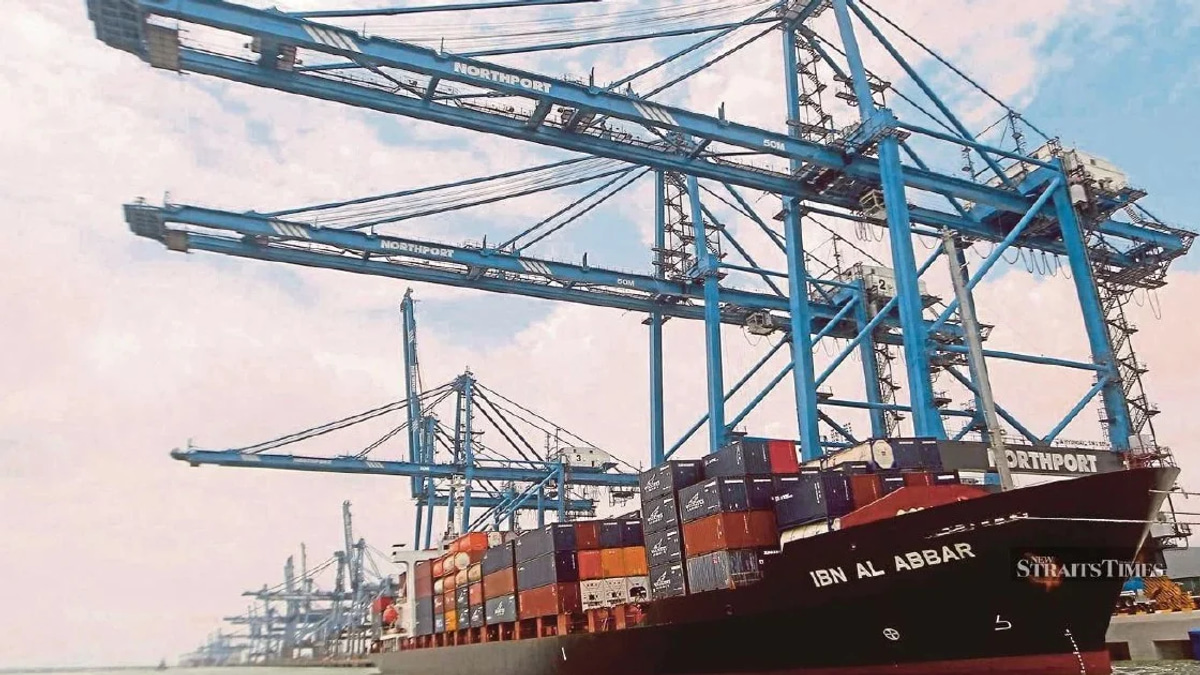
Petronas, Malaysia's national petroleum company, represents the country's most substantial investment commitment to Turkmenistan. Since 1996, the company has accumulated total investments valued at RM52.73 billion, positioning it as a major commercial stakeholder in Turkmenistan's energy sector. This deep corporate presence underscores the importance of energy cooperation and provides an established framework through which bilateral relations can expand. The signing of additional oil and gas documents during this visit signals intent to consolidate and possibly expand Petronas's operations and involvement in Turkmenistan's hydrocarbon development.
After the bilateral meeting, both leaders will transition to a working luncheon hosted by Berdimuhamedov at the Presidential Palace, providing an informal setting for continued discussion. The prime minister will subsequently perform Friday prayers at the Turkmenbashi Ruhy Mosque, a gesture of cultural respect that also affords opportunity for informal engagement with religious and community leaders. These elements of the itinerary reflect Malaysia's approach to embedding diplomatic engagement within the cultural and social fabric of host nations.
A significant public-facing element of the visit involves the joint inauguration of the Malaysia-Turkmenistan Forum, to be held at the Chamber of Commerce and Industry of Turkmenistan. This institutional forum promises to provide ongoing venues for business-to-business interaction, enabling Malaysian and Turkmenistan entrepreneurs and corporations to identify collaboration opportunities without requiring governmental coordination each time. Such forums typically facilitate networking, market access discussions, and deal-making between private sectors, translating political goodwill into commercial outcomes.
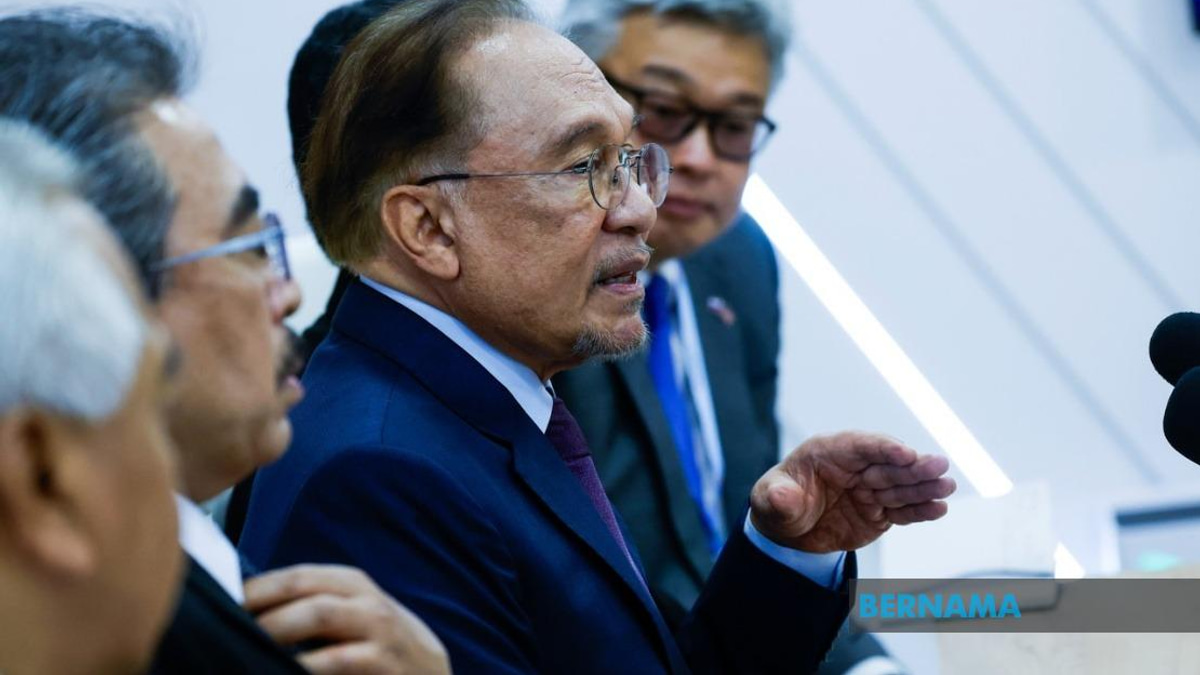
Prime Minister Anwar travels with a delegation comprising Minister of Investment, Trade and Industry Datuk Seri Johari Abdul Ghani and Minister of Economy Akmal Nasrullah Mohd Nasir, reflecting the economic-focused nature of this visit. Their presence signals that the Malaysian government views this engagement through a developmental and commercial lens, not merely ceremonial diplomacy. Supporting officials from the Prime Minister's Office and the Foreign Ministry round out the team, providing administrative and strategic coordination.
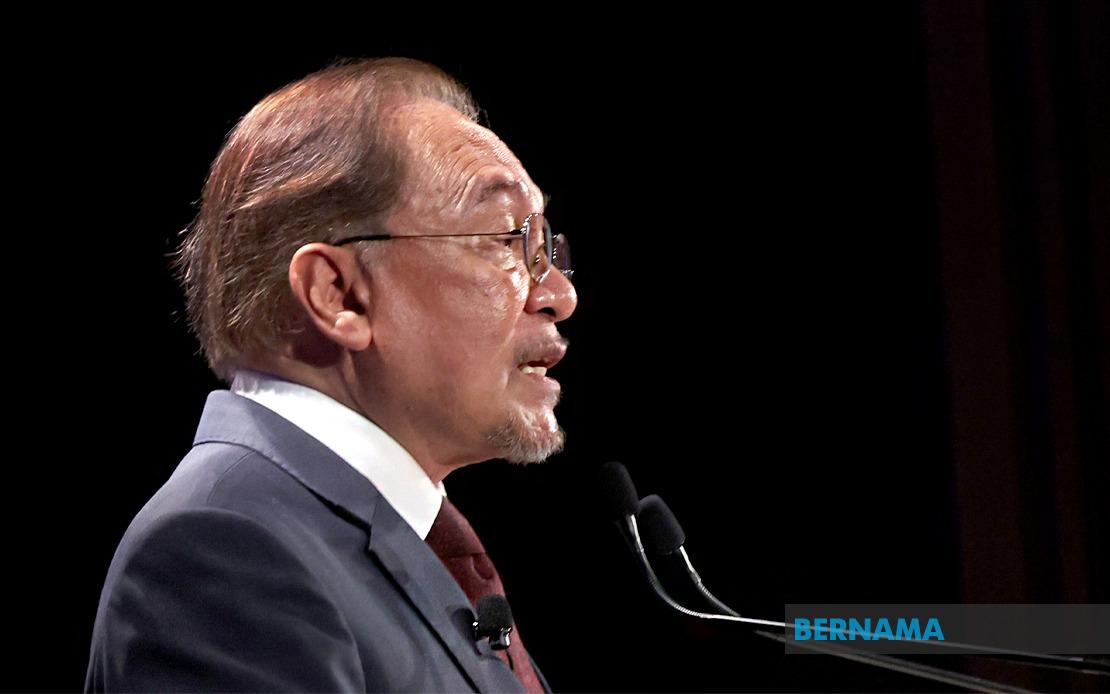
The visit concludes with a press conference featuring the Malaysian media, an opportunity for the prime minister to articulate achievements, explain strategic rationale, and address any inquiries from Malaysian journalists. This closing engagement ensures that domestic audiences receive direct communication about the visit's outcomes and their potential implications for Malaysia's broader foreign policy and economic strategy. The comprehensive scheduling reflects careful diplomatic choreography designed to maximize bilateral value while accommodating protocol requirements and cultural considerations.