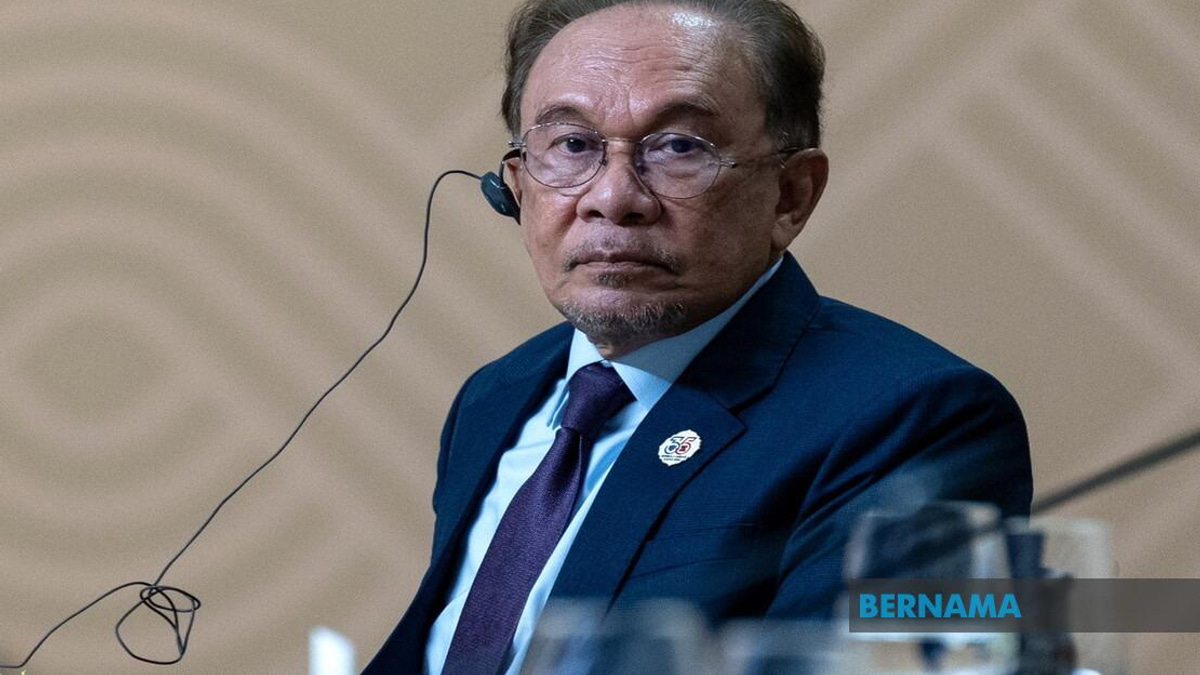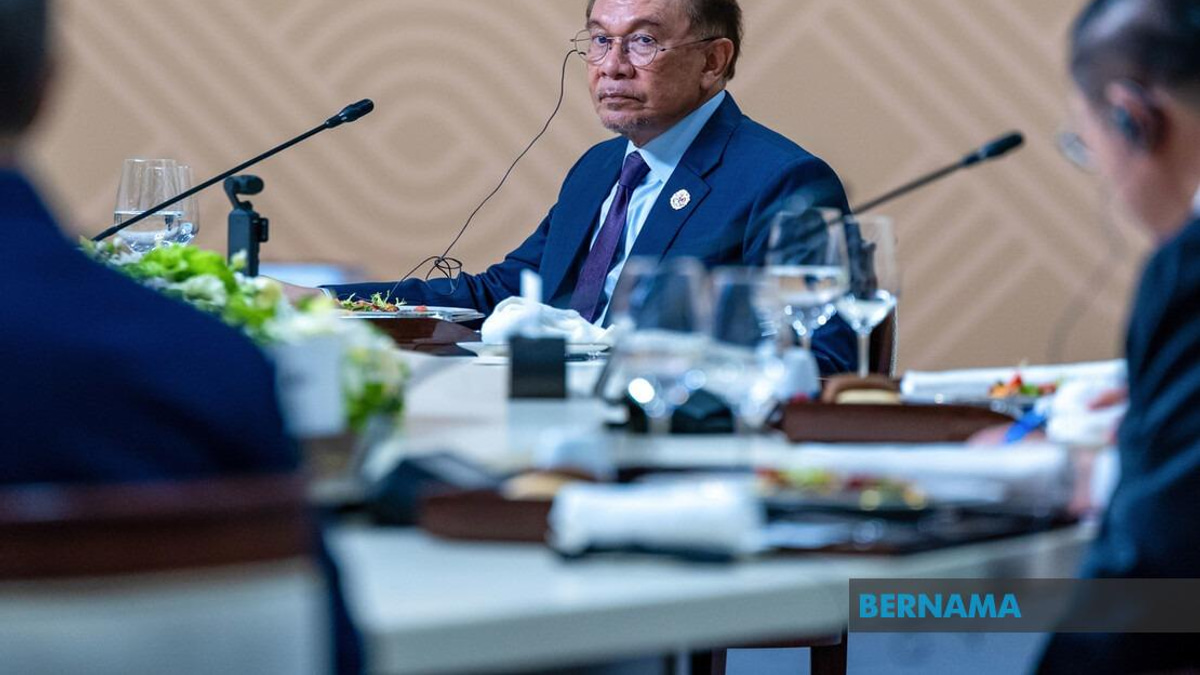
Prime Minister Datuk Seri Anwar Ibrahim and his wife Datuk Seri Dr Wan Azizah Wan Ismail have conveyed their sympathies to Women, Family and Community Development Minister Datuk Seri Nancy Shukri following the passing of her husband, Datuk Kamil Misuari, who died at a Kuala Lumpur hospital on the evening of June 18.
Through a social media message, Anwar invoked religious sentiments, praying that Shukri and her immediate family would find the resilience needed to navigate this period of grief and loss. The Prime Minister's statement reflected the customary expressions of solidarity that political leaders extend during times of personal tragedy affecting members of the cabinet and government hierarchy.
In his condolence message, Anwar articulated traditional Islamic supplications for the deceased, requesting divine mercy and forgiveness for Misuari's soul whilst hoping his virtuous deeds would find favour in the hereafter. The phrasing and sentiment demonstrated the interweaving of personal sympathy with religious observance that characterizes public expressions of mourning in Malaysia's Islamic context.
The Office of the Minister overseeing women, family, and community development affairs released an official statement confirming Misuari's death at the medical facility in the capital. This formal announcement marked the beginning of the transition period during which government functions under Shukri's portfolio would likely require adjustment given her need to attend to family obligations and funeral arrangements.
Arrangements have been made to transport Misuari's remains to Sarawak, where his final rites will take place. The deceased will be buried at Samariang Muslim Cemetery in Kuching, reflecting his family's roots and connections to the East Malaysian state. This cross-state movement of remains underscores the practical and emotional dimensions of funeral proceedings in Malaysia's geographically dispersed nation.
The late Datuk Kamil Misuari, aged 65, had been married to Nancy since 1985, a union spanning nearly four decades. The couple was blessed with three children, whose lives are now marked by the absence of their father. This long partnership represented a significant portion of Nancy's personal and professional life, occurring alongside her ascent through various ministerial positions.
Shukri's appointment as Women, Family and Community Development Minister places her at the helm of a portfolio addressing matters central to Malaysian society—gender equality, family welfare, and community cohesion. The timing of this personal loss coincides with her stewardship of these national priorities, presenting a complex intersection of private grief and public responsibility that many senior government officials navigate.
The cabinet minister's circumstances reflect broader realities within Malaysia's political establishment, where senior officials must balance demanding ministerial duties with personal and family crises. The expressions of support from the Prime Minister and First Lady signal institutional recognition of this challenge and offer both symbolic and practical backing during a vulnerable period.
Within Malaysian political culture, such expressions of condolence serve multiple functions beyond mere formality. They reinforce social bonds within the political elite, demonstrate the government's human dimension to the broader public, and provide a measure of collective acknowledgment that even those wielding significant power remain subject to universal experiences of loss and bereavement.
The passing of Misuari comes at a time when Malaysia's federal government continues managing multiple policy initiatives and legislative priorities. While Shukri's ministry will continue its functions, her personal circumstances will inevitably influence the ministry's operational dynamics during the immediate aftermath, potentially affecting public-facing initiatives and administrative decisions requiring her direct involvement.
For Malaysians observing their leaders navigate personal tragedy, such moments humanize political figures who often appear distant from everyday life. The vulnerability evident in Shukri's situation, coupled with institutional support from the Prime Minister's office, illustrates the mutual interdependencies within government structures and the shared values of compassion that transcend political position and professional status.