%22%2F%3E%3C%2Fpattern%3E%3C%2Fdefs%3E%3Crect%20width%3D%22100%25%22%20height%3D%22100%25%22%20fill%3D%22url(%23ph5u0sqg)%22%2F%3E%3Crect%20width%3D%22100%25%22%20height%3D%22100%25%22%20fill%3D%22url(%23ph5u0sqp)%22%2F%3E%3Ctext%20x%3D%2250%25%22%20y%3D%2250%25%22%20text-anchor%3D%22middle%22%20dominant-baseline%3D%22central%22%20fill%3D%22rgba(255%2C255%2C255%2C0.95)%22%20font-family%3D%22Georgia%2C%20'Times%20New%20Roman'%2C%20serif%22%20font-weight%3D%22700%22%20font-size%3D%22320%22%20letter-spacing%3D%22-0.02em%22%3EPM%3C%2Ftext%3E%3C%2Fsvg%3E)
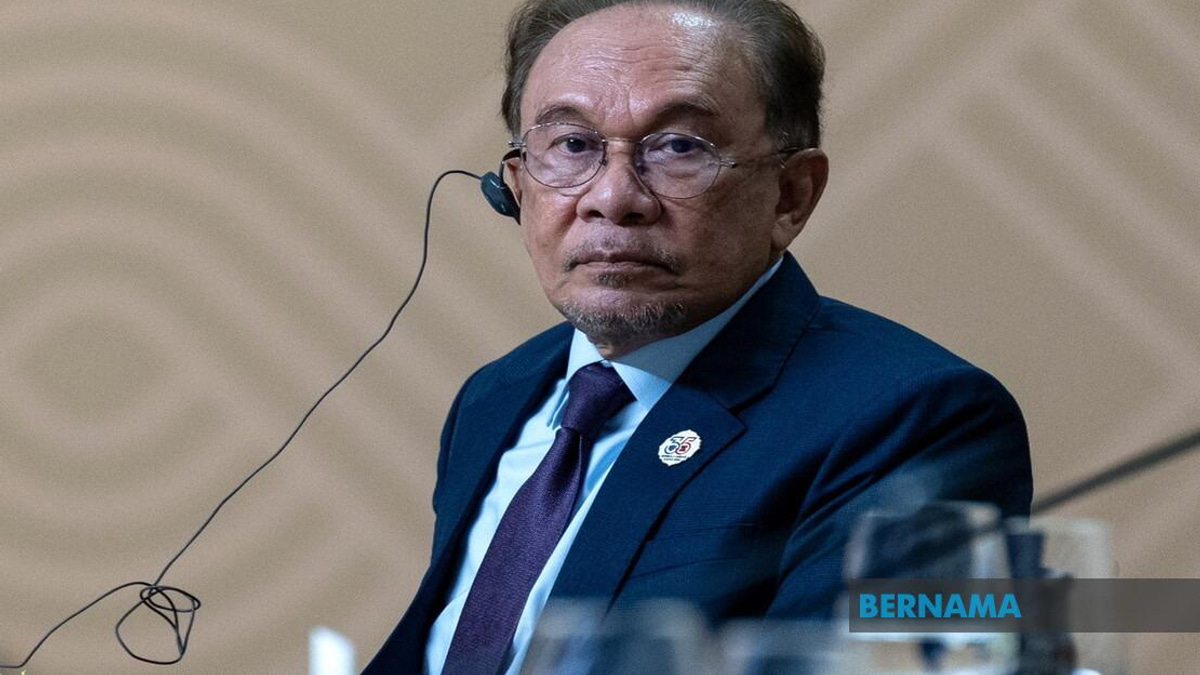
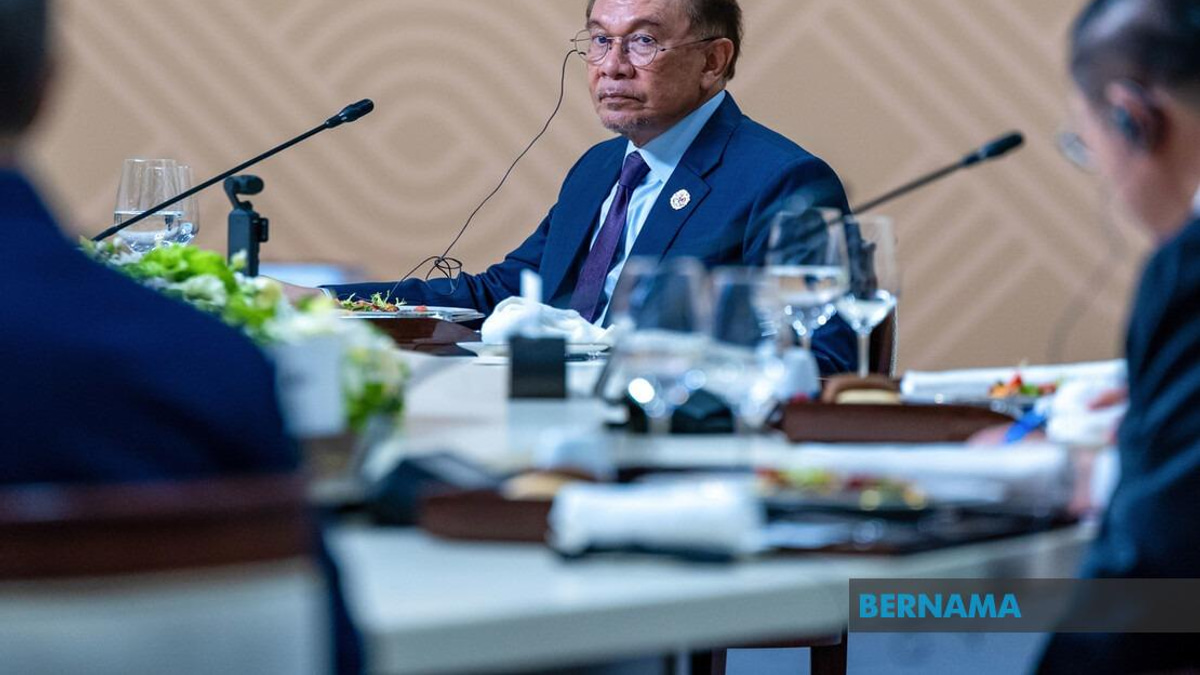
Prime Minister Datuk Seri Anwar Ibrahim has arrived in Kazan to participate in a two-day working visit centred on advancing relations between the Association of Southeast Asian Nations and Russia. The engagement represents a significant diplomatic initiative at a time when regional dynamics are increasingly shaped by competing great power interests and the need for Southeast Asian nations to maintain constructive relationships across the international spectrum.
The timing of this visit underscores Malaysia's commitment to navigating the complex geopolitical landscape by engaging with diverse partners. As a nation that has consistently advocated for dialogue-based solutions and non-aligned principles, Malaysia's participation in Asean-Russia talks reflects the region's desire to pursue pragmatic cooperation unburdened by Cold War mentalities. This approach is particularly relevant in the contemporary context, where Southeast Asian countries seek to balance relationships with major powers without compromising regional autonomy or strategic independence.
Asean-Russia cooperation encompasses several critical dimensions that extend beyond traditional diplomacy. Economic partnerships, ranging from energy trade to infrastructure development, form a tangible foundation for bilateral engagement. Russia's position as a significant energy producer and its interests in Asian markets create mutual incentives for sustained dialogue. For Malaysia specifically, such partnerships offer diversified trade opportunities and potential investment channels that complement existing relationships with other global partners.
Regional security concerns feature prominently in these discussions. The South China Sea remains a focal point for Southeast Asian diplomacy, with multiple claimant states seeking mechanisms to manage tensions and prevent escalation. Russia, as a permanent member of the United Nations Security Council, maintains strategic interests in maintaining regional stability and preventing conflicts that could disrupt global commerce and create wider geopolitical complications. Asean's commitment to the Code of Conduct negotiations and peaceful resolution frameworks aligns with Russia's stated preference for diplomatic settlements.
The broader peace architecture that these talks seek to reinforce addresses contemporary threats beyond traditional maritime disputes. Transnational challenges including terrorism, cybersecurity, pandemic preparedness, and climate change require coordinated responses that transcend bilateral relationships. An inclusive diplomatic framework that incorporates dialogue between Asean and Russia contributes to building consensus on shared challenges and developing cooperative mechanisms that serve regional and global stability.
Malaysia's role as an active participant in this engagement reflects its position within Asean and its diplomatic influence. The nation has historically served as a bridge-builder between different regional and global actors, advocating for consensus-based decision-making and inclusive dialogue platforms. Anwar's presence at these talks signals Malaysia's continued commitment to multilateral engagement and its willingness to contribute to frameworks that promote peaceful coexistence among diverse nations.
The working visit structure suggests substantive discussions rather than ceremonial exchanges. Two-day formats typically allow for detailed exploration of specific issues, enabling delegations to move beyond opening positions and explore practical cooperation mechanisms. Such intensive engagement provides opportunities to identify areas of common interest, address misunderstandings, and establish concrete outcomes that demonstrate tangible benefits from the dialogue process.
Economic dimensions warrant particular attention given Malaysia's development aspirations and its reliance on stable international trade patterns. Russian markets present opportunities for Malaysian palm oil, electronics, and manufactured goods. Simultaneously, Russian energy resources and technological capabilities offer potential benefits for Malaysian development. Structured cooperation frameworks can facilitate business engagement and investment flows that contribute to prosperity across both sides.
From a Southeast Asian perspective, sustained engagement with Russia prevents the region from becoming compartmentalized into rigid alliance structures. Countries like Malaysia understand that strategic flexibility and multiple partnership options enhance negotiating power and reduce vulnerability to pressure from any single actor. Maintaining dialogue channels with Russia ensures that Asean voices are heard in Moscow and that Russian actions consider Asean interests and preferences.
The emphasis on peace initiatives reflects growing recognition that security threats in contemporary Asia require preventive diplomacy and inclusive engagement mechanisms. Rather than relegating Russia to the margins of regional affairs, integrating it into dialogue processes acknowledges geopolitical realities while channelling its influence toward constructive outcomes. This inclusive approach aligns with Anwar's broader advocacy for multilateralism and international cooperation based on mutual respect and sovereign equality.
These talks also occur within the context of Asean's strategic autonomy agenda, which prioritizes the region's ability to make independent decisions and shape its own future. By engaging comprehensively with various global powers including Russia, Asean demonstrates its centrality to regional architecture and its agency in managing great power competition. Malaysia's participation contributes to this broader project of maintaining Asean relevance and influence in shaping regional outcomes.
Looking forward, the outcomes from these discussions will provide insight into the trajectory of Asean-Russia relations and Russia's evolving role in Asian affairs. Concrete agreements on trade, security cooperation, people-to-people exchanges, or institutional mechanisms would signal deepening engagement. For Malaysia specifically, successful talks could translate into enhanced bilateral cooperation and stronger positions in subsequent regional forums where these issues are deliberated and refined.