%22%2F%3E%3C%2Fpattern%3E%3C%2Fdefs%3E%3Crect%20width%3D%22100%25%22%20height%3D%22100%25%22%20fill%3D%22url(%23phc4kmg)%22%2F%3E%3Crect%20width%3D%22100%25%22%20height%3D%22100%25%22%20fill%3D%22url(%23phc4kmp)%22%2F%3E%3Ctext%20x%3D%2250%25%22%20y%3D%2250%25%22%20text-anchor%3D%22middle%22%20dominant-baseline%3D%22central%22%20fill%3D%22rgba(255%2C255%2C255%2C0.95)%22%20font-family%3D%22Georgia%2C%20'Times%20New%20Roman'%2C%20serif%22%20font-weight%3D%22700%22%20font-size%3D%22320%22%20letter-spacing%3D%22-0.02em%22%3EPM%3C%2Ftext%3E%3C%2Fsvg%3E)
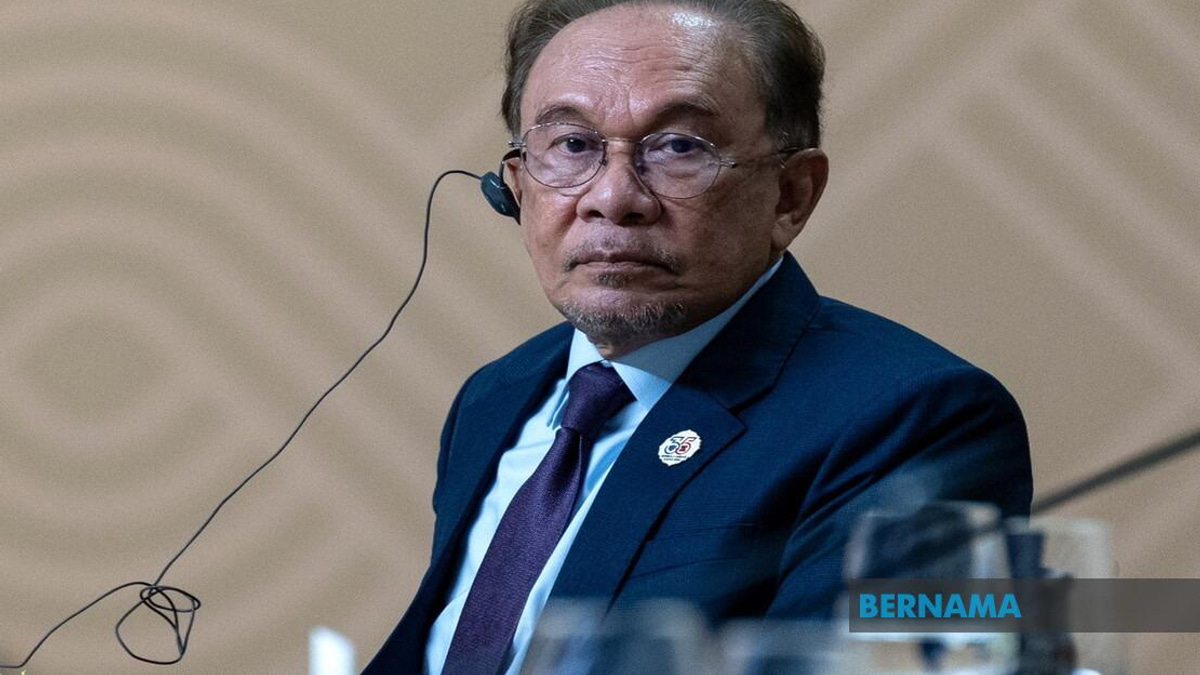
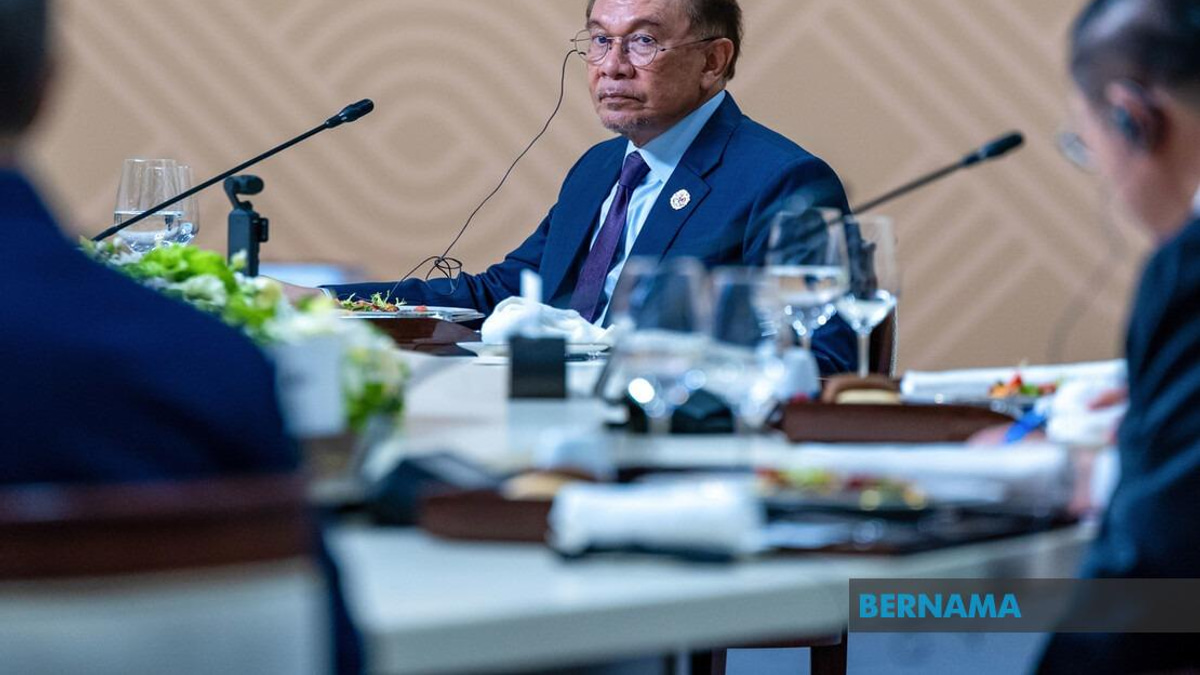
Prime Minister Anwar Ibrahim used a platform with international journalists in Kazan to advance Malaysia's diplomatic agenda, discussing the multifaceted dimensions of Asean-Russia engagement that extend far beyond conventional economic metrics. The discussions spanning regional cooperation, energy security, and cultural exchange underscore the Prime Minister's approach to positioning Malaysia and Southeast Asia as constructive partners in global affairs despite geopolitical tensions elsewhere.
The Prime Minister's engagement with international media in Russia's historic Volga region reflects a deliberate strategy to present Asean's perspective on global issues to audiences beyond the region's borders. Rather than limiting remarks to bilateral matters, Anwar leveraged the Kazan platform to articulate the bloc's commitment to navigating complex international challenges through dialogue and pragmatic cooperation. This approach aligns with Malaysia's long-standing foreign policy orientation of maintaining productive relationships across dividing lines without compromising core principles.
Energy security emerged as a central theme in the Prime Minister's remarks, an issue of paramount concern for Southeast Asian economies heavily dependent on stable fuel supplies and competitive pricing. Asean nations collectively represent significant energy consumers, and diversifying energy partnerships remains critical to regional economic stability. Russia's traditional role as a major hydrocarbon supplier means sustained engagement between Moscow and Southeast Asian capitals serves mutual interests, particularly as global energy markets navigate the transition toward cleaner sources while maintaining current demand.
The cultural dimension of Asean-Russia ties received particular emphasis during the Prime Minister's interaction with journalists. Russian literature, with its profound philosophical traditions and universal themes of human experience, resonates across cultures and provides common intellectual ground. By highlighting cultural connections alongside economic interests, Anwar demonstrated that bilateral and regional relationships operate on multiple levels—diplomatic, commercial, and civilizational—rather than exclusively on transactional bases.
Malaysia's role in facilitating Asean-Russia dialogue carries specific weight given the country's chairmanship positions within regional forums and its historical commitment to bridge-building between different blocs. Southeast Asia's strategic location and economic importance have positioned the region as increasingly central to great power competition, yet Asean's fundamental principle of non-alignment provides a framework for engaging all major powers on terms that serve regional interests. The Prime Minister's visit reinforces this principle in practice.
The timing of the Kazan discussions occurs as Asean navigates questions about maintaining unity while member states hold varying perspectives on engagement with major powers. Some Southeast Asian nations maintain closer security relationships with Western countries, while others emphasize economic interdependence with China and Russia. Malaysia's diplomatic approach seeks to honor each nation's autonomy while maintaining collective positions on regional concerns, a delicate balancing act that requires continuous engagement and dialogue.
Energy cooperation specifically addresses vulnerabilities exposed during recent global supply chain disruptions. Southeast Asian nations have invested in diversifying energy sources, including renewable energy projects, liquefied natural gas infrastructure, and exploration partnerships. Engagement with Russia on energy matters includes potential participation in regional energy security mechanisms and exploration of technological collaboration in energy efficiency and sustainable development initiatives.
The humanitarian dimension referenced in the Prime Minister's discussions reflects Asean's broader commitment to addressing transnational challenges including disaster relief, public health cooperation, and development assistance. These issues transcend geopolitical divisions and benefit from international cooperation regardless of political differences elsewhere. Southeast Asian nations have demonstrated capacity for pragmatic humanitarian cooperation with diverse international partners, and this precedent extends to Russia-Asean interactions.
Malaysia's articulation of Asean perspectives to international media serves the broader strategic objective of shaping narratives about Southeast Asian agency in global affairs. Rather than accepting external characterizations of regional alignment, Anwar's direct engagement with journalists allows Asean voices to frame regional priorities and interests. This approach counters assumptions that Southeast Asia simply chooses sides between major powers, instead emphasizing the region's own strategic imperatives and values.
The discussions in Kazan underscore the complexity of contemporary Southeast Asian diplomacy, where nations must simultaneously advance regional integration, maintain strategic autonomy, and engage productively with all major powers. The Prime Minister's participation in media exchanges demonstrates Malaysia's commitment to transparent dialogue about these challenging balancing acts. International media engagement on substantive issues—energy security, cultural exchange, humanitarian cooperation—elevates the conversation beyond simplified categorizations of regional alignment.
Looking forward, Asean-Russia relations will likely continue developing across multiple dimensions, with economic cooperation, energy partnerships, and cultural exchanges providing sustainable foundations for engagement. Malaysia's role in articulating and facilitating this relationship reflects the country's diplomatic traditions and current positioning within both regional and global frameworks. The Kazan discussions contribute to building deeper understanding between Southeast Asia and Russia, relationships that benefit from sustained dialogue and genuine engagement with complex issues.