Penang police have moved to reassure the public that the National Journalists' Day celebration scheduled for later this month will proceed without significant disruption to everyday traffic or compromising public safety. Speaking to reporters in George Town on June 17, police authorities outlined detailed contingency measures designed to accommodate what is expected to be a major gathering while maintaining normal vehicle flow through the region. The event, to be hosted at PICCA Convention Centre @ Butterworth Arena, will operate alongside a three-day carnival expected to draw approximately 30,000 members of the public, creating what may appear at first glance to be a substantial logistical challenge for city planners and enforcement personnel.
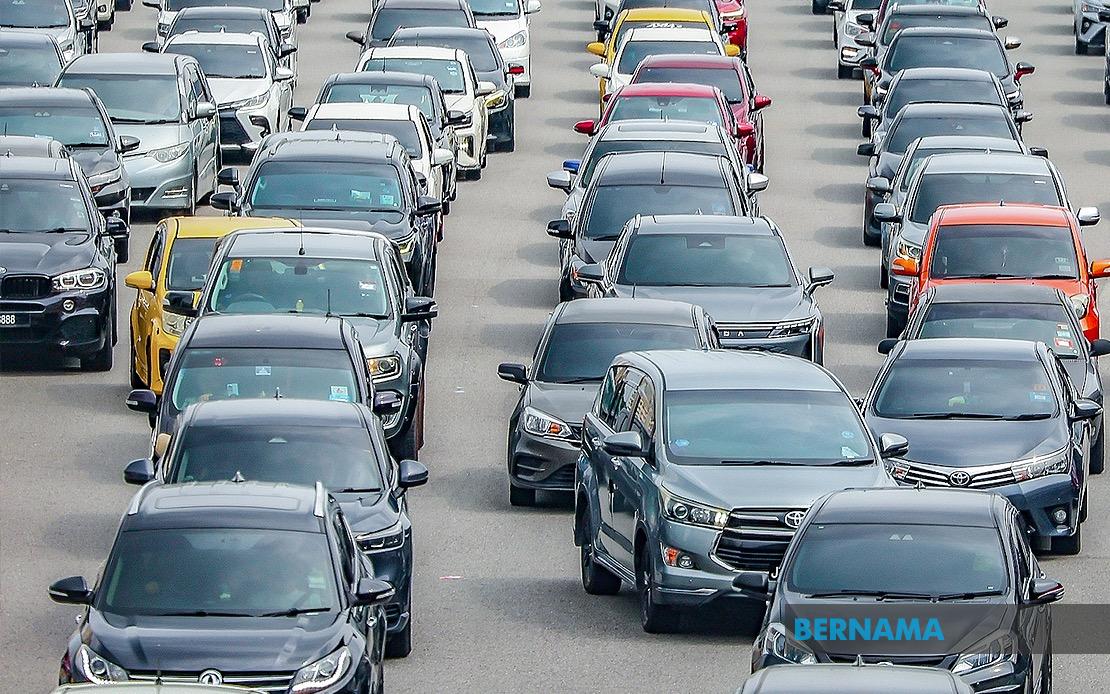
Penang police chief Datuk Azizee Ismail disclosed that the force has learnt from its experience managing the Malaysia Day 2025 celebration at the same venue last year, and has adopted similar strategies proven successful on that occasion. Rather than implementing blanket road closures that would impose broad inconvenience across surrounding neighbourhoods, authorities intend to maintain arterial routes as functional conduits for through-traffic. This approach reflects a policy shift away from the traditional model of closing major thoroughfares entirely, instead relying on tactical management techniques to balance event operations with community mobility.
The implementation strategy hinges on a tiered traffic control system. Diversionary routing will guide vehicles away from the immediate PICCA precinct during peak congestion periods, whilst uniformed traffic personnel stationed at principal intersections will choreograph vehicle movements to prevent bottlenecks. This method allows police to concentrate enforcement presence at strategic choke points rather than spreading resources thinly across closed routes. Datuk Azizee confirmed that the contingent of officers allocated to both security and traffic management mirrors the deployment strength used during the previous Malaysia Day operation, suggesting the authorities believe last year's model adequately addressed similar circumstantial demands.
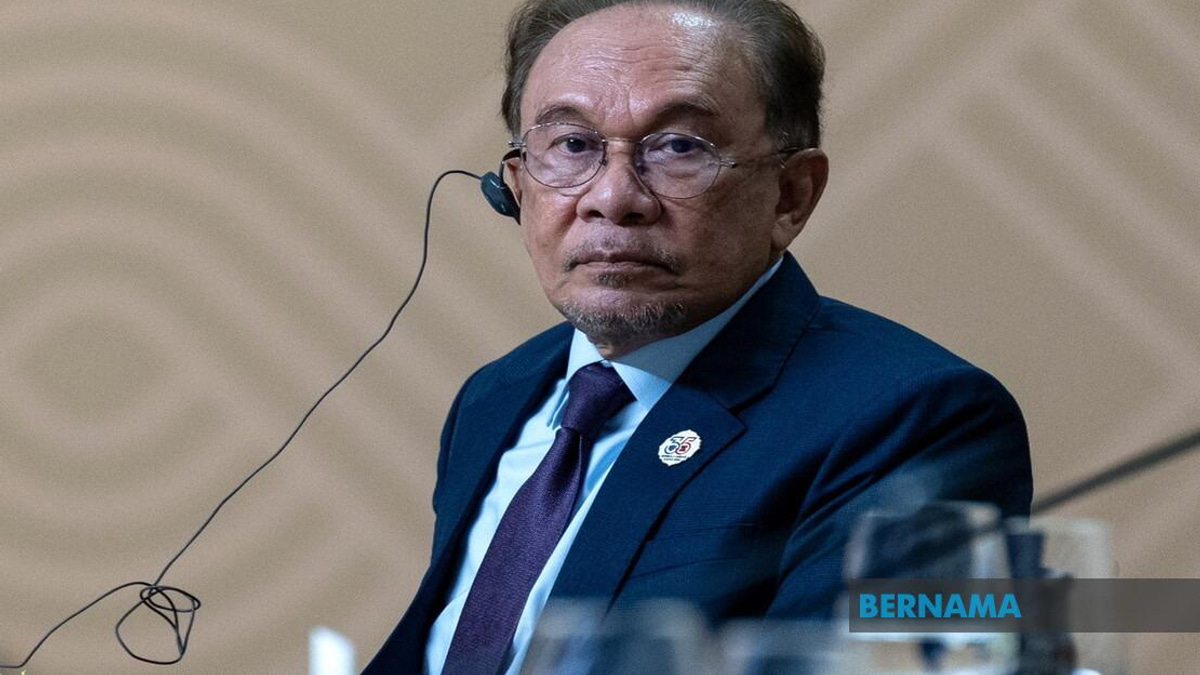
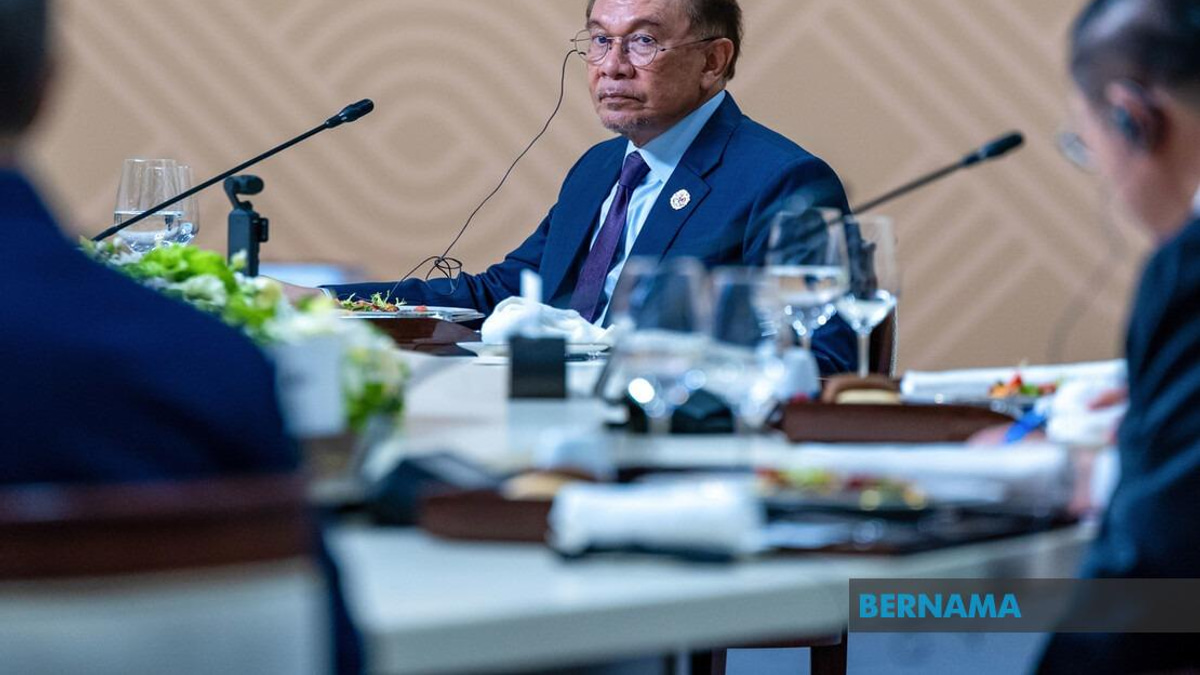
The HAWANA 2026 Summit represents a significant professional gathering within Malaysia's media landscape. Prime Minister Datuk Seri Anwar Ibrahim will officiate proceedings on June 20, lending high-level political endorsement to an event anticipated to convene approximately 1,000 media practitioners from domestic and international sources. Organised by the Ministry of Communications in partnership with Bernama, the Malaysian National News Agency, the summit carries the thematic focus "Media Integrity Strengthens Credibility", positioning it as a platform for reflection on the journalism profession's societal contributions and standards of practice.
Beyond the formal conference programme, the RIUH Pi HAWANA Carnival component substantially broadens the event's scope and appeal. Running concurrently for three days commencing this Friday, the carnival will showcase more than 24 local creative product brands, incorporate 20 food and beverage vendors, and feature 16 stage performances from established Malaysian artists including Exists, Bunkfac, Masdo, Sakura Band, Budak Nakal Hujung Simpang, and Chelsea Ng. Entry to carnival entertainment is complimentary, a consideration likely to drive the anticipated 30,000-visitor attendance projection and expand the demographic reach well beyond the core professional journalist audience.
The dual structure of HAWANA 2026—combining an exclusive professional summit with a mass-participation carnival—presents organisers with particular security and logistical complexities. The concentration of high-profile political figures, visiting international media representatives, and large public crowds within a confined geographic area necessitates layered security protocols that remain largely invisible to ordinary attendees. Datuk Azizee emphasised that the force has devised "comprehensive security control" measures, terminology suggesting protocols encompassing threat assessment, access management, and rapid-response capabilities appropriate to an event of national cultural significance.
For residents and regular commuters in the Butterworth vicinity, the police guidance extends practical instruction on navigating the operational period. The force has urged the public to cooperate with traffic personnel instructions and, perhaps more usefully, to plan journeys in advance to circumvent areas likely to experience congestion. This advisory implicitly acknowledges that despite best efforts to maintain normalcy, some localised disruption is inevitable; advance planning allows individuals to choose alternative routing or adjusted departure times. The emphasis on voluntary compliance rather than coercive restriction reflects an optimistic assessment of public cooperation, though it also distributes responsibility for managing personal inconvenience away from authorities.
The choice of PICCA Convention Centre @ Butterworth Arena as the venue for both Malaysia Day 2025 and HAWANA 2026 indicates the facility's emergence as a premier venue for large-scale national events in the northern region. The repeat selection allows organisers to leverage institutional knowledge and established relationships with venue management, security contractors, and local authorities. This familiarity should theoretically reduce execution risk, yet it also raises expectations that police and event managers will perform at least as competently as they did previously, with scope for improved refinement based on lessons learned.
For media practitioners themselves, HAWANA 2026 arrives at a period when questions surrounding journalistic integrity, digital misinformation, and the evolving relationship between traditional and social media occupy heightened prominence across Southeast Asia. Malaysia, like its regional neighbours, navigates complex terrain balancing press freedom principles with national security considerations, creating a backdrop wherein a summit explicitly centring media integrity takes on resonance beyond ceremonial significance. The gathering of 1,000 practitioners provides a rare opportunity for collective professional reflection and peer dialogue on shared challenges and standards.
The carnival component signals an institutional recognition that media and journalism constitute integral dimensions of popular culture and public engagement, not merely elite professional concerns. By positioning journalism education, media innovation, and cultural creativity alongside food vendors and entertainment, organisers effectively democratise what might otherwise remain a closed professional gathering. This accessibility approach may cultivate emerging interest in journalism careers among younger visitors whilst reinforcing broader public understanding of media's societal role.
Police authorities have calibrated their security posture to reflect the event's national importance whilst respecting normal civic function and residential routines. The refusal to implement comprehensive road closures distinguishes this approach from earlier large-event management models and reflects both confidence in tactical traffic management and institutional sensitivity to cumulative public inconvenience fatigue. For Penang residents and commuters, this signifies that participation or attendance at HAWANA 2026, whether at the formal summit or the public carnival, need not entail wholesale abandonment of daily mobility patterns, though modest flexibility in routing and scheduling will optimise travel efficiency during the event's three-day run.