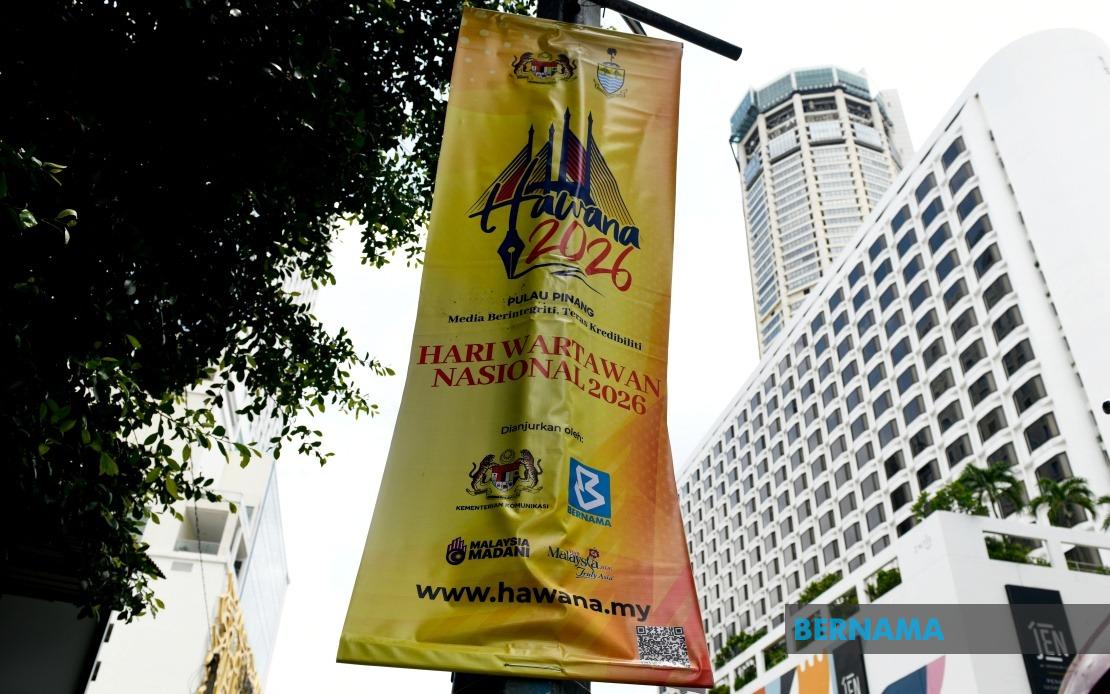
Penang's state government is bracing for what it hopes will be a landmark celebration of Malaysia's journalism profession, with Chief Minister Chow Kon Yeow publicly backing the HAWANA 2026 National Journalists' Day event scheduled for this weekend in Butterworth. The three-month preparation period involving sustained dialogue with the federal Communications Ministry reflects the significance both levels of government attach to the occasion, which aims to honour the role media practitioners play in Malaysian society.
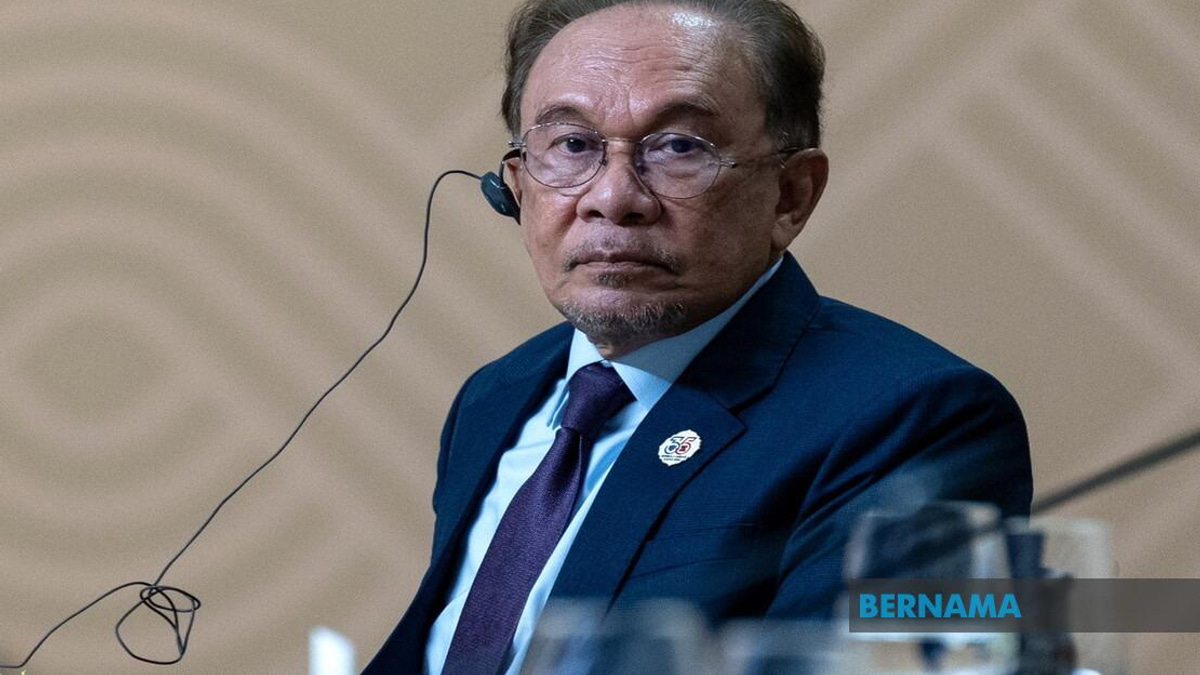
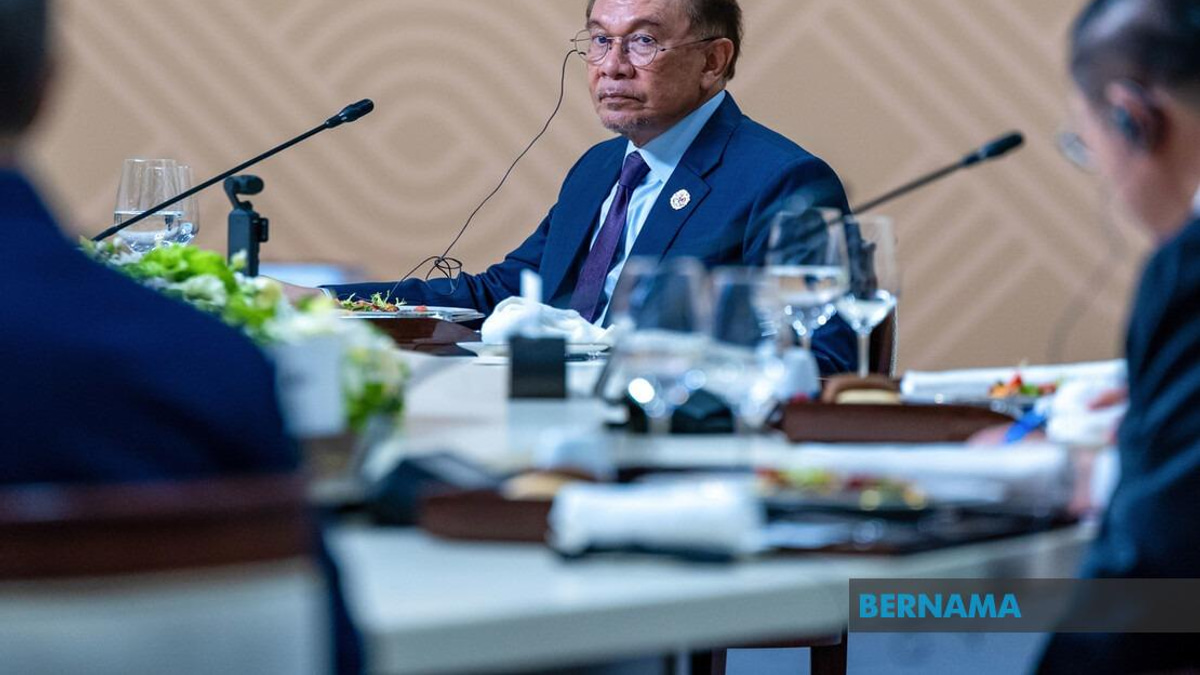
The centrepiece of the festivities is the HAWANA 2026 Summit, which will unfold at PICCA Convention Centre @ Butterworth Arena this Saturday under the official patronage of Prime Minister Datuk Seri Anwar Ibrahim. Organisers anticipate approximately 1,000 journalists, editors, broadcasters, and media professionals from across Malaysia and beyond will converge on Penang to participate in discussions centred on the overarching theme of "Media Integrity Strengthens Credibility." This gathering represents an important national conversation at a time when trust in journalism institutions faces persistent challenges globally and regionally.
Chow's measured optimism about the event's prospects underscores Penang's readiness to shoulder the organisational burden of hosting what amounts to the journalism profession's annual recognition ceremony. The state government has committed resources and logistical support to ensure the summit operates without impediment, reflecting a broader commitment to media freedom and press professionalism that state leaders wish to project. Beyond the summit itself, preparatory momentum includes a gala dinner on Friday evening attended by Penang Governor Tun Ramli Ngah Talib, further elevating the ceremonial weight of the occasion.
The event carries institutional endorsement through the involvement of both the Ministry of Communications and Bernama, the Malaysian National News Agency, which serves as the implementing agency. This structural arrangement formalises media celebration within Malaysia's governance architecture, positioning journalism not merely as a commercial enterprise or individual pursuit but as a national institution worthy of state recognition and protection. The choice of Penang as host city also distributes major national events beyond Kuala Lumpur, a subtle but meaningful gesture toward geographic inclusivity.
Complementing the professional summit is the RIUH Pi HAWANA Carnival, a three-day public-facing component expected to draw approximately 30,000 visitors to the same venue. This dual-track approach—combining industry-focused discussion with accessible public engagement—attempts to bridge the gap between journalism as professional practice and journalism as something the broader public should understand and value. The carnival format reflects modern event design sensibilities that reject passive spectatorship in favour of interactive participation.
The carnival programming reveals deliberate effort to make journalism celebration entertaining rather than exclusively didactic. More than two dozen local creative product brands will occupy stalls alongside twenty food and beverage vendors, creating a festive marketplace atmosphere. Sixteen complimentary stage performances featuring established Malaysian artists including Exists, Bunkface, Masdo, Sakura Band, Budak Nakal Hujung Simpang, and Chelsea Ng will provide musical and entertainment value that extends appeal beyond journalism enthusiasts to general public audiences seeking weekend entertainment.
Interactive workshops integrated throughout the carnival programme offer visitors hands-on exposure to creative processes and media production techniques. Rather than positioning journalism as distant institutional practice, these educational components invite public participation in understanding how stories originate, how information gets verified, and what mechanisms support quality reporting. For younger attendees especially, such direct engagement potentially plants seeds for future careers in media while building baseline media literacy among the general population.
The ambitious attendance targets—1,000 international and domestic media professionals at the summit alongside 30,000 carnival-goers—demonstrate organisers' confidence in attracting substantial participation. Such figures, if realised, would validate the investment of state resources and position Penang as a capable host of major national events. The logistical coordination required to accommodate these numbers simultaneously speaks to Penang's capacity in event management infrastructure and hospitality services.
For Malaysia's journalism sector, HAWANA 2026 arrives at a moment when media institutions navigate complex pressures ranging from digital disruption to political polarisation to evolving regulatory frameworks. The symposium's thematic emphasis on integrity and credibility directly addresses concerns that have animated professional discourse throughout Southeast Asia. By centering these values in a high-profile state celebration attended by the Prime Minister, Malaysian leadership signals investment in journalism as essential democratic infrastructure rather than optional cultural amenity.
Penang's role in hosting this event also carries regional implications, as the state's growing profile as Malaysia's primary tourism and business hub extends to hosting consequential national gatherings. Successful execution of HAWANA 2026 would reinforce perceptions of Penang's organisational capability and appeal as venue for future major conferences and professional assemblies. For the Malaysian journalism profession specifically, a well-executed celebration in Penang offers opportunity to reaffirm collective identity and shared professional standards at a time when fragmentation threatens sector cohesion.