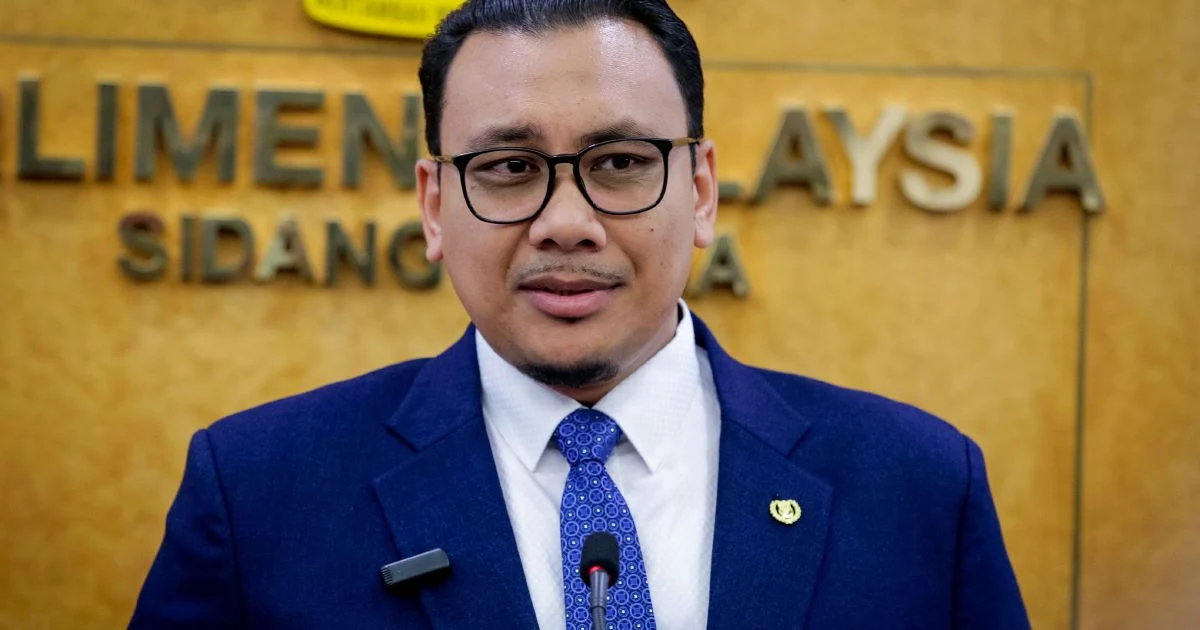
The youth wing of Malaysia's Pan-Malaysian Islamic Party, represented by its chief Afnan Hamimi Taib Azamudden, is escalating its response to what party officials characterise as a defamatory social media attack on his family. After discovering the offending post on Facebook attributed to a Bersatu member, Afnan Hamimi has engaged legal counsel to pursue formal court action, marking a significant step in what appears to be an intensifying political dispute between the two coalition partners.
The decision to involve lawyers signals the PAS Youth leadership's determination to defend the family's reputation and establish boundaries around acceptable political discourse in the digital space. This move reflects broader sensitivities within Malaysian politics regarding personal attacks on politicians and their relatives, particularly when such comments circulate widely on social media platforms. The case illustrates how digital communication has transformed the nature of political conflicts, allowing inflammatory remarks to reach mass audiences instantly and creating new legal quandaries about responsibility and accountability.
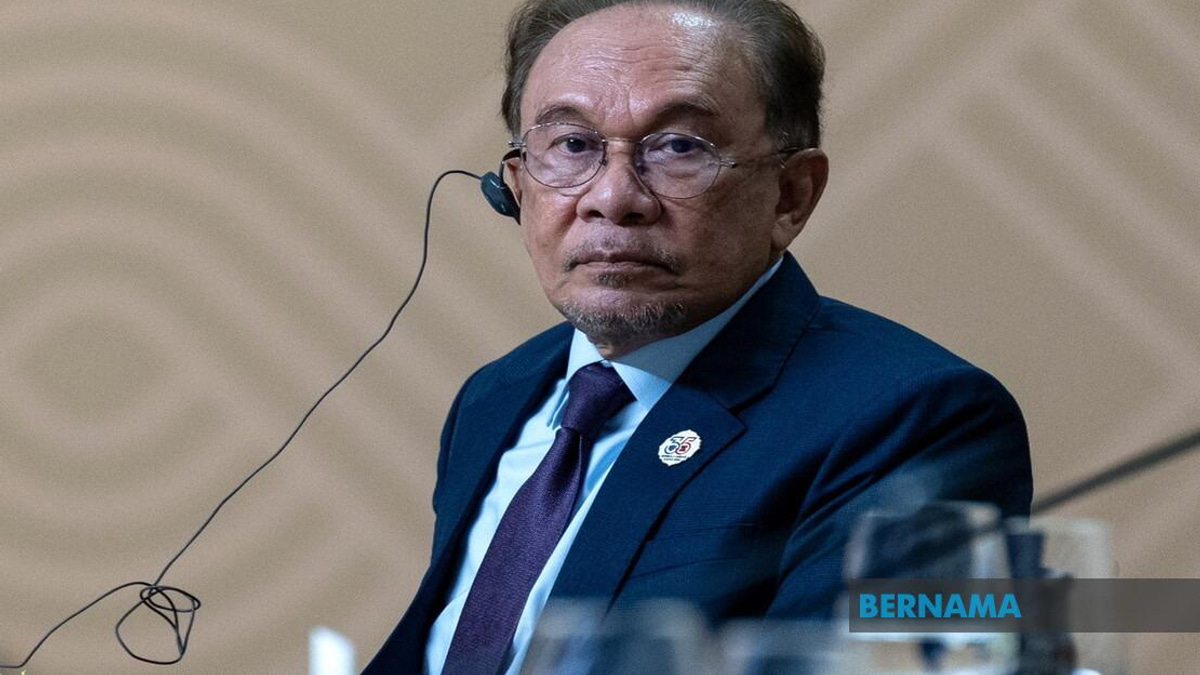
Although the specific content of the Facebook post has not been detailed publicly, the fact that it allegedly targeted Afnan Hamimi's father rather than the politician himself suggests a deliberate strategy to inflict personal and family-level harm. Such indirect attacks are often considered particularly egregious in Malaysian political culture, where familial honour and respect for one's parents carry significant social weight. The decision to pursue litigation indicates that PAS Youth views this as more than routine political sparring and has crossed into territory warranting judicial intervention.
The involvement of a Bersatu leader adds a particularly complicated dimension to the dispute. Both PAS and Bersatu are members of the Perikatan Nasional coalition, which has positioned itself as a unified political force in recent years. Internal disputes between coalition partners, especially those that escalate to legal confrontation, risk destabilising the partnership's public image and creating fissures that opposition parties might exploit. The PAS Youth's willingness to pursue court action despite this coalition arrangement suggests that the insult or its nature was perceived as sufficiently serious to override normal considerations of maintaining coalition harmony.
Legal action over defamatory social media posts remains a relatively evolving area of Malaysian jurisprudence. Courts have increasingly recognised that statements published online can constitute libel or defamation, particularly when they reach large audiences and cause reputational damage. However, proving defamation typically requires demonstrating that the statement was false, malicious, and caused genuine harm. The Bersatu leader's legal team will likely argue for defences based on truth, fair comment, or qualified privilege, though the nature of social media posts often makes establishing these defences challenging. The precedent set by this case could influence how similar disputes are handled across the political spectrum.
For PAS, a party that has cultivated an image centred on Islamic principles and moral authority, defending family honour aligns with the values the party typically emphasises in its messaging. The party's youth wing, which serves as a training ground for future leadership, may view this legal action as an opportunity to demonstrate that young party members will not tolerate personal attacks without consequence. This could resonate with the party's base, which often values principled stands against perceived disrespect or injustice.
The broader context involves Malaysia's ongoing political realignment and coalition dynamics. The Perikatan Nasional framework has united several political parties around shared electoral and governance interests, but internal tensions occasionally surface. Previous disagreements between PAS and Bersatu on matters ranging from institutional appointments to policy positions have revealed limits to their political alliance. This legal dispute, though ostensibly about a Facebook post, may be symptomatic of underlying tensions that occasionally emerge despite the parties' public unity.
From a regional perspective, the case highlights how Southeast Asian politicians increasingly navigate the intersection of digital communication, traditional concepts of honour and family reputation, and modern legal frameworks. Malaysia's experience in managing defamation cases involving social media has implications for how other countries in the region balance free expression, political accountability, and personal dignity. The outcome could influence how politicians across Southeast Asia respond to online attacks.
The timing of the legal action, coming as Malaysian politics continues to evolve following recent elections and coalition negotiations, suggests that political actors remain sensitive to how they are portrayed in public discourse. The decision to pursue court intervention rather than relying solely on party discipline or internal coalition mechanisms indicates that Afnan Hamimi views this as a matter requiring formal legal judgment and formal documentation of wrongdoing.
As the case proceeds through Malaysia's courts, it will likely generate significant media attention and commentary about appropriate standards for online political discourse. The legal process will establish precedent regarding what constitutes actionable defamation in the social media age and how courts should weigh the public interest in political commentary against protections for individuals and their families. Whether this case ultimately results in a settlement, judgment for the plaintiff, or defence victory, it will contribute to the evolving understanding of digital-age defamation in Malaysian legal practice.