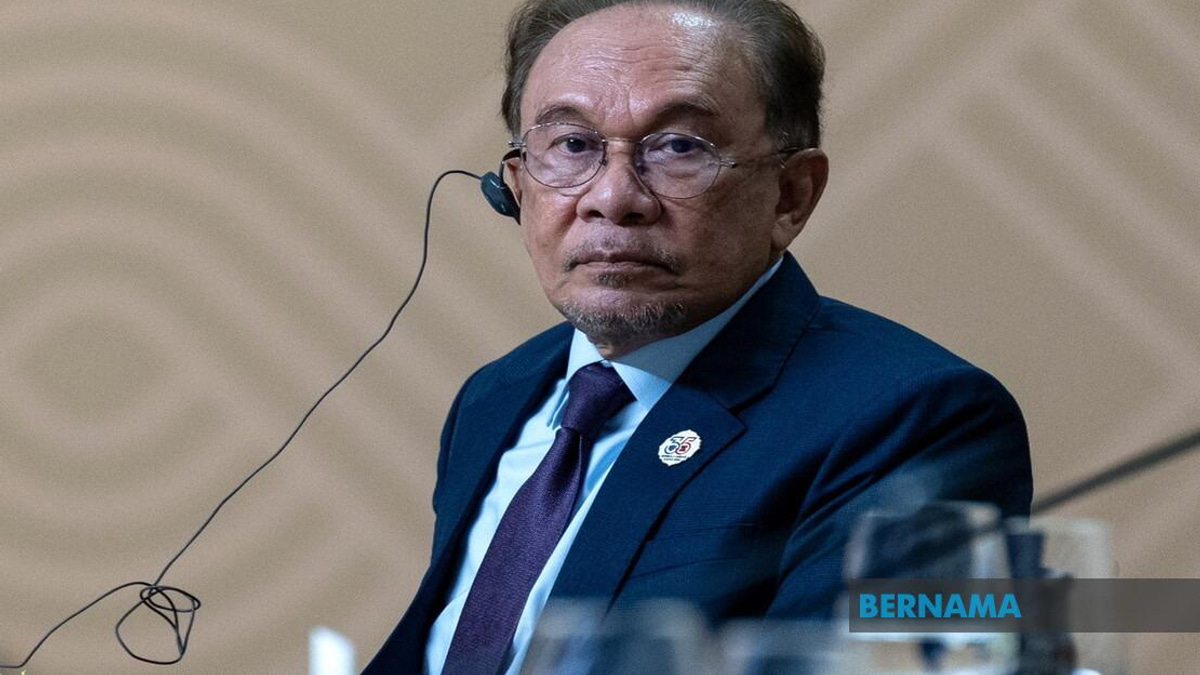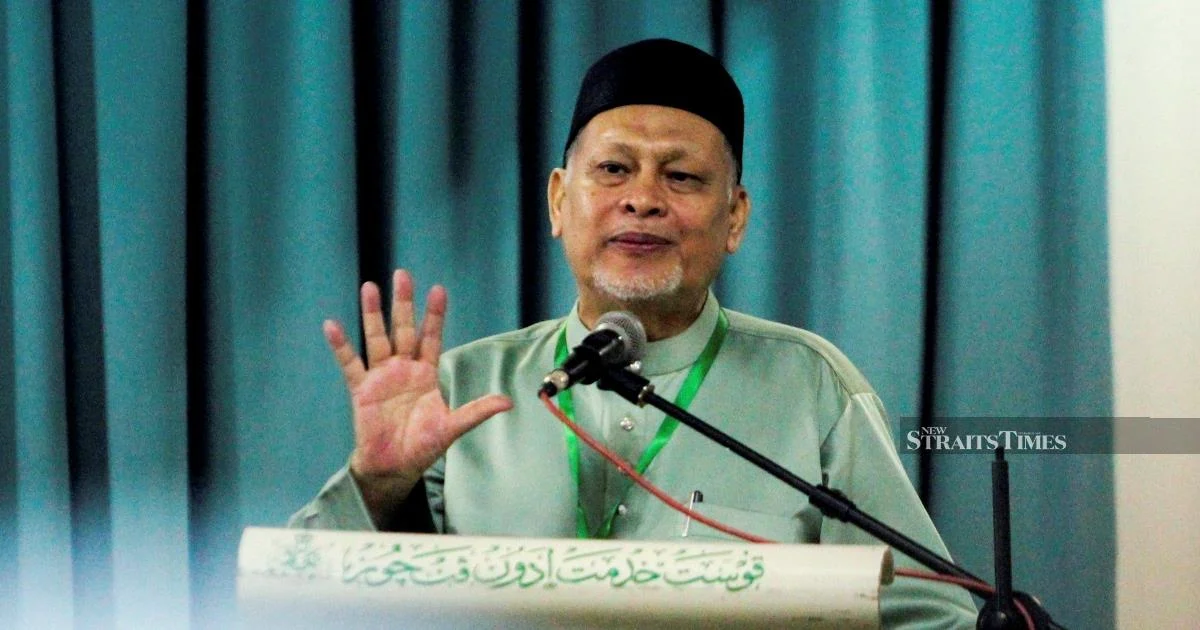
Islamic party PAS has lashed out at Tan Sri Muhyiddin Yassin over what it describes as a precipitate announcement regarding the use of the Perikatan Nasional logo in forthcoming state elections in Johor and Negri Sembilan. The rebuke underscores deepening tensions within the multi-party coalition that has been a cornerstone of Malaysia's political landscape since 2020, revealing the fragility of consensus-building at the highest levels of leadership.
Muhyiddin's assertion that Bersatu, the party he leads, would adopt the PN banner for both contests has evidently blindsided coalition partners. PAS, which holds significant influence within PN's ideological orientation and voter base, contends that such a weighty strategic choice warrants prior coordination and agreement among all constituent members. The rebuke, aired in Kota Baru, signals that the Islamist party was not adequately consulted before the announcement became public, raising questions about decision-making processes within the coalition leadership.
The timing of this disagreement is particularly significant for Malaysian politics. Both Johor and Negri Sembilan represent crucial electoral battlegrounds where PN has substantial stakes and ambitions. These states serve as important strongholds for both PAS and Bersatu, and decisions regarding branding, candidate selection, and campaign strategy carry profound implications for the coalition's electoral performance and internal harmony. A fractured response heading into these contests could undermine PN's competitive positioning against rival coalitions.
For PAS specifically, the issue extends beyond mere procedural grievances. As the party with the broadest geographical presence and the largest membership base within PN, PAS has traditionally wielded considerable influence over coalition decisions affecting Malay-Muslim constituencies. The bypassing of consultative channels suggests a shift toward unilateral decision-making that could accelerate divergence between coalition partners, particularly if PAS perceives itself as being sidelined in strategically important electoral planning.
The Perikatan Nasional coalition itself represents a relatively young political entity in Malaysian terms, having coalesced during the twilight years of the Muhammadu Markarimi Khalid administration and solidifying after the 2020 general election. The coalition brings together ideologically diverse parties including Bersatu, PAS, the pan-Malaysian party structure, and others with varying historical trajectories and voter profiles. This heterogeneity, while providing electoral advantages through broader appeal, creates vulnerabilities when strategic coordination breaks down.
Muhyiddin's announcement, without prior consensus, reflects a broader challenge facing multiparty coalitions in Malaysia's polarised political environment. Leaders often face pressure to demonstrate decisiveness and forward momentum, particularly when electoral windows are approaching and campaign preparations demand clarity. However, such unilateral moves risk alienating partners who feel their voice and interests are being marginalised in favour of one party's agenda or personality-driven leadership. The resultant friction can translate into campaign incoherence and messaging confusion that ultimately disadvantages all coalition members.
The controversy also illuminates the distinction between formal coalition structures and informal power dynamics. While PN may possess established mechanisms for inter-party consultation and decision-making, the actual exercise of power evidently operates along different lines when senior figures like Muhyiddin make announcements before these mechanisms can function. PAS's criticism implicitly demands that proper protocols be respected, a particularly important assertion given the party's substantial electoral contribution to PN's viability in rural Malay-Muslim constituencies where the coalition's fortunes largely depend.
Regionally, Malaysia's coalition politics holds lessons for other Southeast Asian democracies grappling with multiparty systems. The capacity of diverse parties to maintain unified electoral offerings while respecting each member's autonomy remains an unresolved challenge. PAS's pushback against hasty decision-making suggests that institutional discipline and consensus-building, though less dramatic than individual leadership pronouncements, remain critical to coalition durability. The contrast between Muhyiddin's swift public statements and PAS's insistence on deliberative processes reflects competing visions of how PN should function operationally.
The dispute raises practical questions about candidate nomination, resource allocation, and campaign messaging for the two state elections. If PN's constituent parties cannot agree on fundamental branding decisions before nominations close, more serious dysfunctions may emerge during the actual electoral campaign. Voters become aware of such disunity quickly, and public squabbles between coalition leaders typically erode confidence in their collective capacity to govern effectively.
Moving forward, the controversy will likely prompt discussions about PN's internal governance structures and decision-making thresholds. Whether these disputes are resolved through private negotiation or escalate into public standoffs will significantly influence the coalition's performance in Johor and Negri Sembilan, and by extension, its broader strategic positioning ahead of the next general election. For Malaysian observers monitoring coalition stability, this public disagreement serves as a timely reminder that electoral alliances, no matter how apparently consolidated, remain subject to internal pressures and competing interests that demand constant negotiation and respect for constituent partners' legitimate concerns.