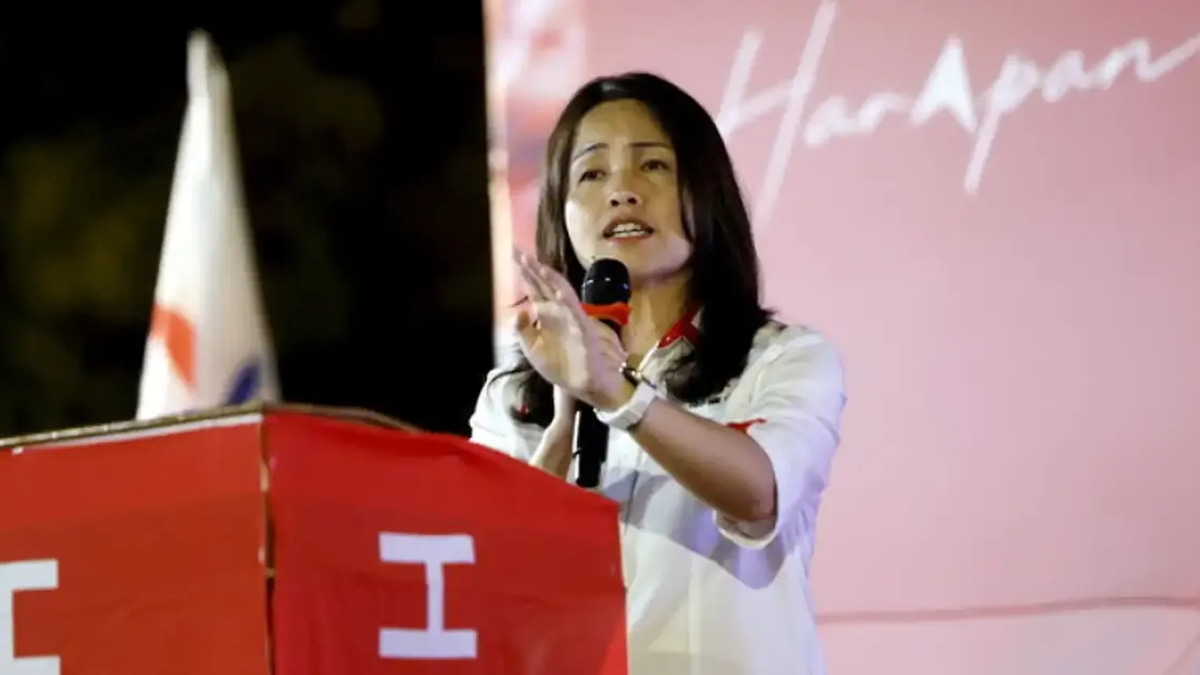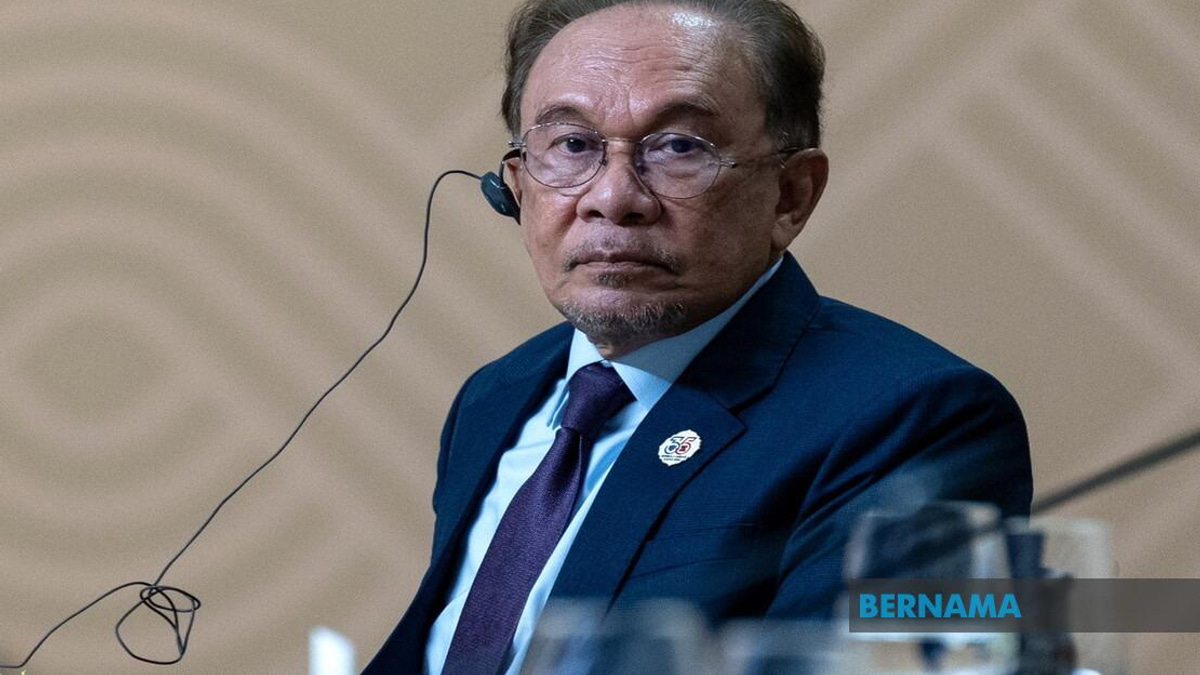
Pakatan Harapan will formally present the names of candidates contesting the Johor state election on Monday, according to Johor PKR chairman Datuk Seri Dr Zaliha Mustafa. The announcement ceremony will be attended by senior party officials, among them PH chairman Datuk Seri Anwar Ibrahim, signalling the significance the coalition places on the electoral contest ahead.
Dr Zaliha, who holds the dual position of PKR vice president, indicated that the northern Johor town of Bukit Gambir in Tangkak has been selected as the venue for the candidate launch. The choice of location is deliberate, reflecting PH's strategic focus on consolidating support in the state's north, where the coalition has observed growing momentum following a series of community engagement activities in recent weeks.
The selection of this particular region underscores PH's approach to electoral geography. Recent programmes conducted across northern localities, including Bukit Naning, have generated what party officials describe as encouraging public responses. By hosting the candidate announcement in this zone, PH aims to harness and amplify the apparent surge in grassroots enthusiasm, translating on-the-ground sentiment into electoral advantage.
The candidate selection process itself reflects a methodical approach encompassing multiple layers of consultation. Dr Zaliha explained that the identification of suitable contenders involved input from branch-level party structures, ensuring nominees possess genuine understanding of local community needs alongside demonstrated track records in public service. This bottom-up mechanism aims to root candidate selection in ground-level reality rather than imposing choices from the centre.
Diversity has been a fundamental principle in assembling the candidate slate. The coalition has deliberately incorporated professionals, younger candidates, women, and members from various ethnic communities to construct a team that reflects Johor's demographic composition and presents a balanced representation across social segments. This conscious balancing act signals PH's intent to appeal across demographic divides and project an inclusive governing vision.
Beyond community representation, selected candidates are expected to actively advance PH's broader electoral objectives. Dr Zaliha stressed that the coalition is not seeking merely to increase its legislative presence relative to previous performance, but rather to achieve the more ambitious goal of capturing control of the Johor state government. This distinction matters: it frames the election as a contest for executive power, not simply a battle for additional seats.
The electoral mathematics supporting this ambition requires examining PH's candidate distribution across the 56 State Legislative Assembly seats. PKR will field 20 candidates, while the Democratic Action Party (DAP) contributes 17 and Parti Amanah Negara accounts for 19. This allocation reflects the coalition's internal balance of power and strategic calculations about which party performs optimally in particular constituencies.
The electoral calendar now moves into its decisive phase. Nominations will close on June 27, followed by early voting scheduled for July 7, with the main polling day set for July 11. This compressed timetable between candidate announcement and nomination closure provides a relatively brief window for campaign consolidation and public introduction of the slate.
For Malaysian observers, the Johor contest carries significance beyond state politics. Johor represents the nation's second-largest state by population and remains economically important, serving as a barometer for broader national political trends. A PH victory would strengthen the coalition's position ahead of potential federal developments, while a loss would reinforce questions about its electoral viability outside its traditional strongholds.
The emphasis on forming a state government rather than merely contesting reflects tactical maturity within PH. Previous election campaigns have sometimes faltered by setting ambitions lower than public sentiment suggested feasible, thereby leaving potential gains on the table. By explicitly targeting state control, PH signals confidence in its organisational capacity and public support while providing a clear strategic objective to motivate campaigners and voters alike.
Dr Zaliha's comments also reveal internal coalition dynamics. The involvement of multiple parties—PKR, DAP, and Amanah—in an agreed candidacy structure demonstrates that despite occasional public friction, the three organisations maintain sufficient coordination to present a unified electoral front. The pre-announcement agreement on candidate distribution and the formal ceremony involving top-tier leadership suggest serious institutional commitment to the campaign.
The candidate announcement will serve multiple functions simultaneously: projecting party unity, introducing the coalition's proposed governing team to voters, demonstrating grassroots legitimacy through the northern venue, and initiating the formal campaign phase. As Malaysian electoral contests have grown increasingly sophisticated, such choreographed events carry heightened importance for shaping media narratives and voter perceptions during the crucial weeks ahead.
With nominations imminent and the election little more than three weeks away, Johor's political landscape is poised for intensive campaigning. The Monday announcement marks the transition from behind-the-scenes preparation to public contest, making it a pivotal moment in determining whether PH can translate perceived momentum into electoral victory and state government control.