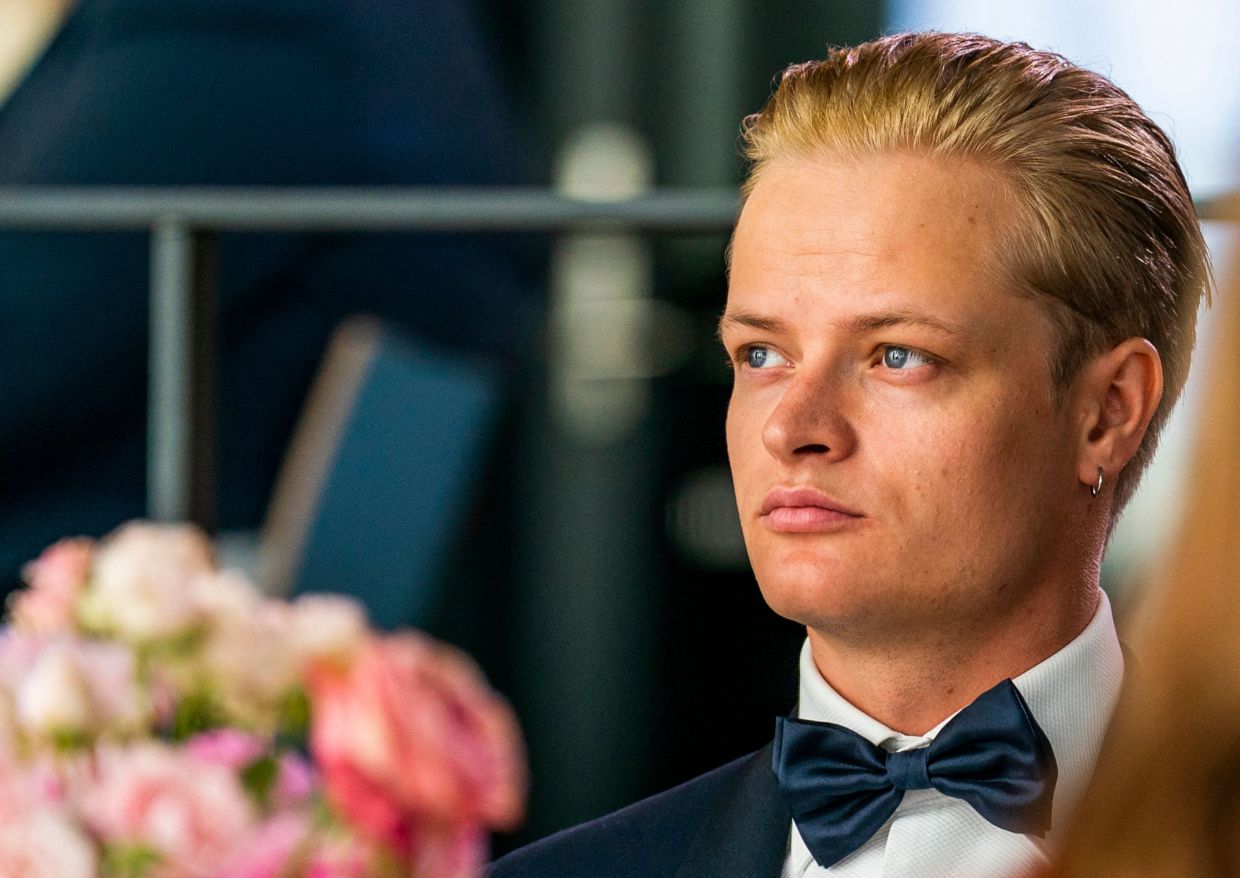
A Norwegian court has handed down a four-year prison sentence to Marius Borg Høiby, the 29-year-old eldest son of Crown Princess Mette-Marit, following his conviction on multiple serious charges. Delivered on Monday after a six-week trial, the verdict found Høiby guilty of two rape offences and assault in close relationships, while acquitting him of two other rape allegations. The Oslo District Court ruling adds a layer of complexity to the Norwegian royal family's public standing, coming at a particularly delicate moment for the institution.
Høiby was charged with sexually assaulting four women who were incapacitated or unable to resist between 2018 and 2024, allegations he consistently denied throughout proceedings. However, he acknowledged guilt on several lesser charges unrelated to the primary rape accusations. Prosecutors had mounted an aggressive case, requesting a sentence of seven years and seven months, citing the severity and pattern of the offences. His legal team, by contrast, sought acquittal on rape charges and a maximum of 18 months for offences he admitted, underscoring the deep divide in how the court might interpret the evidence presented.
Beyond the rape and assault convictions, Høiby faced a broader spectrum of 40 criminal charges encompassing drug-related offences, violations of restraining orders, and other assault-related incidents. This comprehensive charging strategy reflected law enforcement's determination to address not merely isolated incidents but what appeared to be a pattern of problematic behaviour spanning years. The trial's focus extended beyond individual acts to examine a lifestyle that prosecutors contended involved repeated violations and abuse of authority afforded by his royal family connections.
The six-week judicial proceedings incorporated testimony from multiple accusers alongside substantial digital evidence including messages, photographs, and video material recovered from Høiby's mobile telephone. This combination of personal accounts and technological evidence constructed a detailed picture of events that the court ultimately found sufficiently compelling to sustain convictions on the two most serious rape counts. The verdict's mixed outcome—convicting on some charges while acquitting on others—suggests the court exercised careful scrutiny rather than wholesale acceptance of prosecution arguments.
Høiby's absence from Monday's courtroom proceedings, attributed to health concerns, represented a notable departure from standard judicial practice. Instead of appearing in person to hear the verdict, he observed the proceedings remotely via video link from his place of detention. This arrangement, while understandable given his circumstances, further isolated the proceedings from the immediate human drama typically associated with high-profile sentencing, though it simultaneously conveyed the gravity with which authorities managed his confinement even during the verdict's announcement.
The sentence carries no finality; Høiby retains the right to appeal both the convictions and the length of imprisonment imposed. This appellate pathway may extend the legal process considerably, particularly given his legal team's fundamental disagreement with the rape convictions themselves. The appeals process will likely generate additional public discourse and potentially provide opportunities for his defence to challenge evidence or procedural matters that emerged during the trial.
While Høiby holds no official royal title and maintains no formal duties within the monarchy, his position within the household presents an unusual circumstance. He is the product of Crown Princess Mette-Marit's relationship prior to her marriage to Crown Prince Haakon, the current heir to the Norwegian throne. Unlike conventional illegitimate children of monarchs who might be distanced from court life, Høiby was raised within the royal household alongside his younger half-siblings, affording him proximity to the centres of royal power and privilege. This upbringing, combined with his family connections, inevitably attracted international media attention to what might otherwise have remained primarily a domestic criminal matter.
The trial's timing has intersected with a mounting health crisis affecting his mother. Crown Princess Mette-Marit, who has been diagnosed with pulmonary fibrosis and is currently awaiting a lung transplant, has become progressively less capable of fulfilling her royal functions. Her deteriorating condition has generated sympathetic coverage in Norwegian and international media, creating a complex emotional backdrop against which her son's criminal proceedings have unfolded. Legal proceedings specifically addressed whether Høiby should be temporarily released pending the verdict, but appellate courts consistently ruled that he remain detained—a decision that underscores the seriousness with which the judiciary viewed his circumstances.
The case's prominence has also renewed scrutiny of the royal family's broader reputation following revelations concerning Crown Princess Mette-Marit's past associations with Jeffrey Epstein, the convicted financier and sex offender who died in custody in 2019. Although the crown princess has categorically denied any wrongdoing and has issued a public apology for maintaining contact with Epstein and for exercising what she characterised as poor judgment, the connection nonetheless attracted significant international attention and generated questions about judgment and accountability within royal circles.
For Malaysian observers and those across Southeast Asia watching international royal affairs, the case illustrates the particular vulnerabilities faced by monarchy institutions when family members become entangled in serious criminal matters. While most Commonwealth nations maintain robust judicial independence that permits prosecution of royal relations, the combination of high-profile crimes, mixed verdicts, and a monarch's personal health crisis creates an environment of institutional stress that demands careful navigation. The Norwegian case demonstrates that modern democracies, regardless of their respect for monarchical traditions, will not shield prominent individuals from accountability—a principle with implications for how constitutional monarchies throughout the region maintain public confidence in both their judicial systems and their royal institutions.