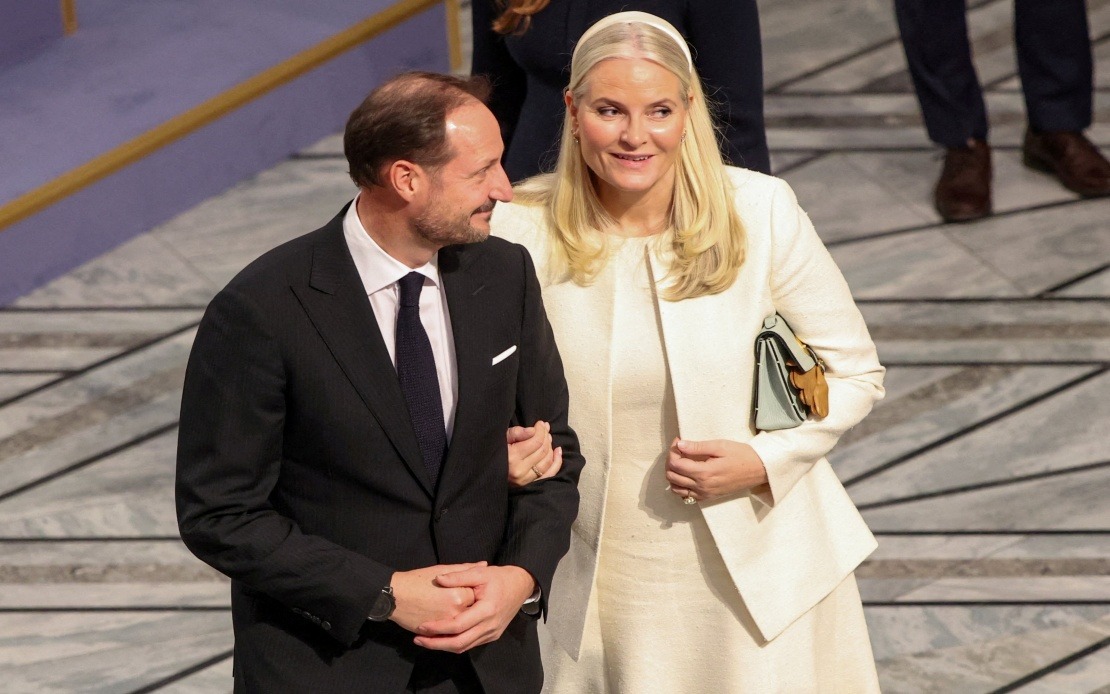
Crown Princess Mette-Marit of Norway has successfully undergone a lung transplant operation, according to an announcement from the Royal Palace in Oslo. The 52-year-old wife of Crown Prince Haakon has been battling pulmonary fibrosis, a progressive and irreversible lung condition characterised by tissue scarring that progressively impairs respiratory function. The transplant represents a critical intervention in her medical journey, as the debilitating disease had reached a stage where oxygen supplementation became necessary for daily activities.
Pulmonary fibrosis affects the delicate structures within the lungs responsible for oxygen exchange, causing them to scar and become stiff. This scarring process gradually diminishes the lungs' capacity to function, leaving patients increasingly breathless during routine activities. For the Crown Princess, managing this condition had required constant reliance on portable oxygen equipment, a stark limitation on the mobility and independence expected of a senior member of the Norwegian royal household. The transplant offers the prospect of restored lung function and an improved quality of life, though recovery and long-term management will require vigilant medical supervision.
The Royal Palace formally notified the public on June 5 that Mette-Marit had been added to the transplant waiting list. To qualify for such an intervention, medical guidelines typically mandate that candidates demonstrate a life expectancy of approximately one year without receiving a donor organ. This stringent criterion reflects both the scarcity of suitable organs and the medical risk involved in transplant surgery itself. Meeting this threshold underscored the severity of the Crown Princess's condition and the medical urgency driving the decision to pursue transplantation.
The public announcement of her medical situation and placement on the waiting list triggered a remarkable response across Norwegian society. In the weeks following the palace disclosure, applications for organ donor registration surged dramatically, according to figures released by Norway's Organ Donation Foundation and reported by the Norwegian news agency NTB. This surge reflects a phenomenon observed internationally where high-profile medical cases involving transplantation can motivate significant increases in donor registrations, effectively transforming personal medical challenges into broader public health benefits.
Norway maintains one of Europe's most established and respected organ transplant systems, underpinned by a robust ethical framework and a relatively high rate of citizen participation in donor programmes. The Nordic nation has historically achieved above-average organ donation rates compared to many other developed countries, partly due to cultural acceptance and effective public communication strategies. The Crown Princess's situation provided a rare opportunity for a prominent royal figure to personalise the abstract concept of organ donation, making the life-saving potential of transplantation tangible and relatable to ordinary Norwegians.
The success of the transplant operation carries symbolic importance beyond the individual patient. It demonstrates the continued advancement of surgical techniques and immunosuppressive medications that have made complex organ transplants increasingly survivable outcomes. Modern transplant medicine relies on sophisticated coordination systems linking donor identification, tissue matching, surgical teams, and post-operative care protocols—a testament to decades of medical progress in Nordic healthcare systems.
For Crown Princess Mette-Marit, recovery will involve extensive rehabilitation and lifelong immunosuppressive therapy to prevent organ rejection. These medications suppress the immune system's natural tendency to treat the donor organ as a foreign invader, allowing the transplanted tissue to function within her body. Managing this delicate immunological balance requires strict medication compliance, regular medical monitoring, and lifestyle adjustments that will fundamentally shape her ongoing health management.
The Crown Princess's medical journey also highlights broader healthcare questions relevant to Southeast Asian countries considering their own organ donation frameworks. Many nations in the region grapple with establishing transparent, equitable transplant systems that balance medical need against available resources. Norway's experience demonstrates how public trust, ethical governance, and strategic communication can cultivate donor participation rates sufficient to serve patients with life-threatening organ failure.
The increased donor registrations resulting from Mette-Marit's case reflect deeper societal attitudes toward mortality, medical intervention, and communal responsibility. By voluntarily participating in organ donor programmes, citizens effectively extend their legacy beyond death, transforming their organs into instruments of life-saving intervention for strangers. This profound altruism, mobilised through awareness of a royal family member's vulnerability, underscores how shared human experiences transcend social hierarchy and status.
For the Norwegian monarchy, the Crown Princess's transplant and recovery will likely shape public discourse around hereditary succession and the physical demands inherent in royal duties. Her continued engagement despite significant health challenges prior to the transplant demonstrated resilience, while her willingness to publicly acknowledge medical vulnerability humanised the institution in ways traditional royal protocols typically discourage. The successful outcome enhances her prospects of fulfilling future royal responsibilities alongside Crown Prince Haakon.