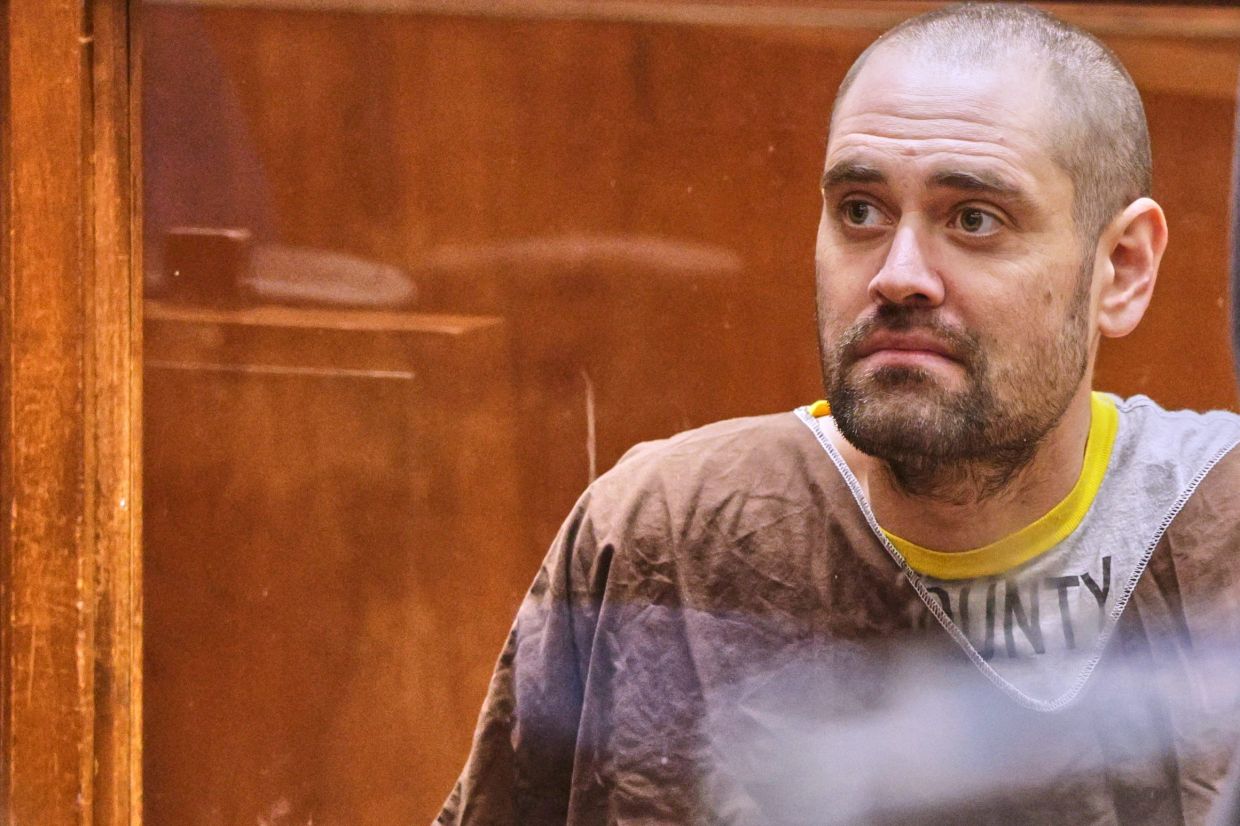
Nick Reiner, the 32-year-old son of Hollywood director Rob Reiner, has moved to compel trustees to release funds from a family trust his parents established, arguing he needs the money urgently to finance his legal defence against charges that he murdered them. The petition, filed through his civil attorneys in Los Angeles County court this week, contends that trustees overseeing the trust have unjustifiably withheld payments to which he is legally entitled. The filing emphasises that while the tragic circumstances surrounding his parents' deaths are undeniably central to his life, they should not prevent him from accessing resources that are lawfully his to mount a proper criminal defence.
Rob Reiner, the prolific and acclaimed film director, and his wife Michele Singer Reiner, a photographer and producer, were fatally stabbed in their Brentwood home on December 14. Nick Reiner was arrested hours after the incident and subsequently pleaded not guilty to two counts of murder. The case has attracted significant media attention given the family's prominence in the entertainment industry and the shocking nature of the killings. Despite months having passed, details about the circumstances and potential motives remain largely shrouded in secrecy, with court orders restricting disclosure of autopsy findings and authorities maintaining tight control over information released to the public.
The financial dimension of the case has become increasingly complicated. Nick Reiner initially engaged Alan Jackson, a prominent private defence attorney, but Jackson withdrew from the case less than a month into his representation, citing reasons he was unable to disclose. Court documents now reveal that Nick's siblings, Jake and Romy Reiner, had initially agreed to fund Jackson's substantial legal fees but subsequently reversed their decision. Jackson has nonetheless indicated in a declaration accompanying the petition that he stands prepared to resume representation should the trust funds become available, signalling the financial constraints have been the primary obstacle to continuing the defence relationship.
According to the petition, Rob and Michele Reiner established individual trusts for each of their children alongside the larger family trust. The document for Nick Reiner's trust, established in 1993, contained explicit instructions that he receive half the trust assets upon reaching age 30 and the remainder at age 35. The petition alleges that Nick never received the funds due at age 30, and that Paul R. Kanin, the attorney appointed as trustee in February, has employed shifting justifications to deny the payments. These justifications have allegedly included concerns about Nick's competence and fitness, which the petition argues are entirely irrelevant to a distribution that is mandatory under the trust's clear terms.
The trust itself holds at least $1.5 million in assets, though the exact value remains undisclosed by Kanin. Nick Reiner's petition seeks not only the funds he should have received at age 30 but also the distributions scheduled for age 35, arguing that the combination of his criminal defence needs and his current incarceration make immediate access to these resources essential. The legal argument rests on the principle that trustees cannot arbitrarily withhold funds when the trust language provides unambiguous instructions for distribution, regardless of external circumstances affecting the beneficiary. Kanin has not yet responded to requests for comment.
The timing and strategic implications of this petition reveal important tensions within the Reiner family during what is undoubtedly an extraordinarily painful period. That Nick's siblings initially pledged to fund his defence but later withdrew that support suggests the family dynamics have shifted significantly. Jake Reiner publicly described the situation in April as a living nightmare too devastating to comprehend, capturing the emotional toll of simultaneously grieving murdered parents while having one's brother at the centre of a murder investigation. The reversal of financial support from siblings indicates that maintaining family cohesion under such circumstances has proven impossible.
The criminal proceedings themselves have moved with deliberate slowness. Nick Reiner is scheduled to return to court for a pretrial hearing in September, with the process likely to extend considerably beyond that date. While District Attorney Nathan Hochman has not yet decided whether to pursue the death penalty, the potential sentence remains among the most severe available. The lack of public information about motive, evidence, or the prosecution's theory of the case has left substantial gaps in the public understanding of what allegedly occurred. This information vacuum, maintained through careful court management and institutional restraint from both prosecution and defence, contrasts sharply with the family's internal crisis playing out through legal filings.
The petition strategy itself is revealing about the constraints facing Nick Reiner's defence team. Rather than publicly fighting over the merits of the criminal charges, his attorneys must divert resources to a collateral civil proceeding merely to secure access to his own property. This added layer of complexity and cost, coming at a time when the defence is already financially strained, represents a significant impediment to mounting an effective defence. The trustee's apparent resistance—described as a series of excuses rather than principled legal objections—suggests the trust administration may be influenced by factors beyond the strict legal requirements of the trust document itself.
For Malaysian readers, this case illustrates several broader themes relevant to our own legal and cultural context. The proceedings highlight how family crises intersect with property law and criminal justice in ways that can compound personal tragedy with legal and financial complications. The role of trustees and their fiduciary obligations becomes critical when beneficiaries face extraordinary circumstances. Additionally, the case demonstrates how high-profile criminal matters can fracture family relationships, as illustrated by the reversal of the siblings' financial support and the necessity for Nick to pursue legal action against the trust administration even as he faces murder charges.
The intersection of civil property rights and criminal defence presents an unusual but significant challenge. Defendants facing serious charges require adequate financial resources to mount effective defences, yet those resources may be subject to contested claims or withheld by third parties. The court will eventually need to determine whether a trustee's general discretionary concerns about a beneficiary's welfare can override clear, mandatory distribution language. The resolution of this trust petition could set important precedent regarding the extent to which criminal charges or incarceration status can justify withholding trust distributions otherwise due under explicit terms. As the pretrial hearing approaches in September, the availability of adequate legal representation for Nick Reiner will depend significantly on how this court addresses the trustees' obligations.