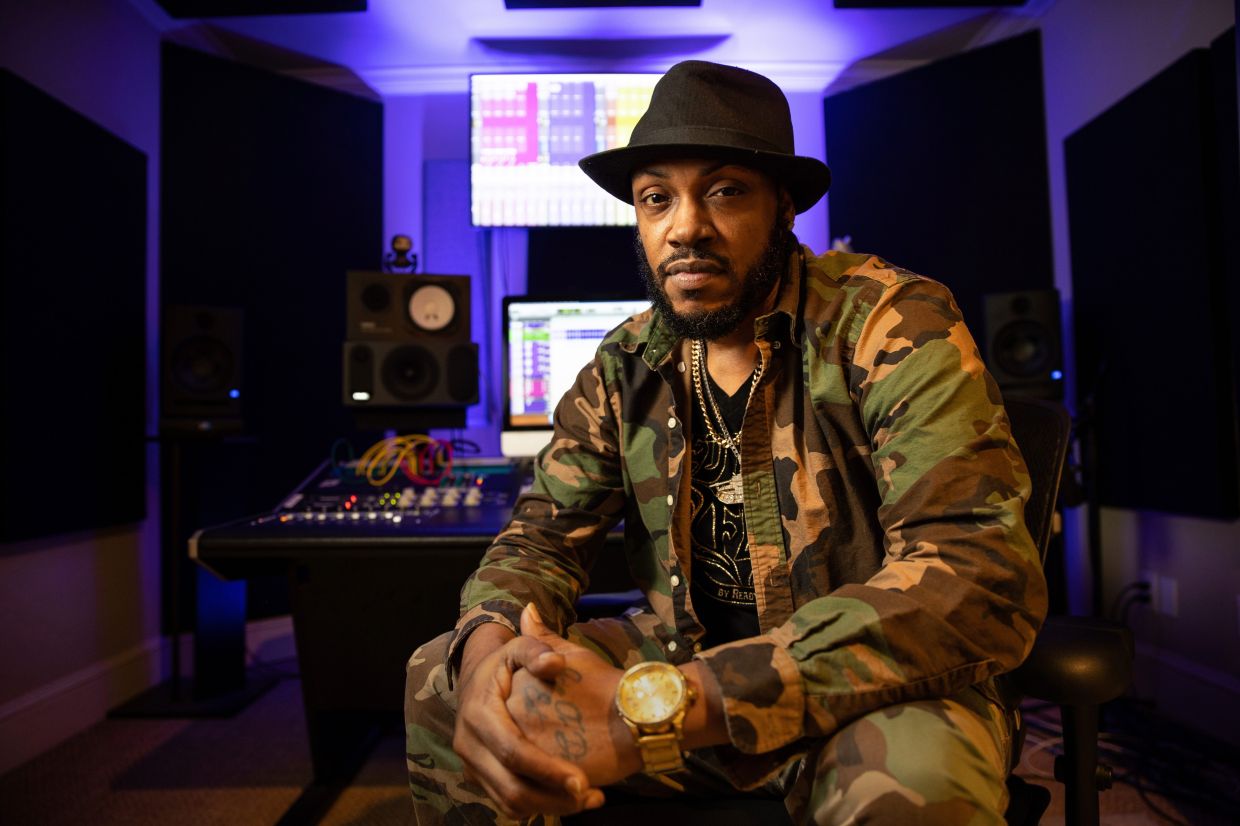
The Grammy-nominated rapper Mystikal, born Michael Lawrence Tyler, has been handed a 20-year prison sentence following his guilty plea to third-degree rape stemming from an incident at his Louisiana residence in 2022. The sentencing came after the performer, who achieved widespread commercial success during the late 1990s and early 2000s, accepted responsibility for the sexual assault through a plea agreement negotiated with prosecutors in March. The deal capped his potential sentence at two decades, significantly below the statutory maximum for the offence, and effectively resolved what had been a more serious charge of first-degree rape—a crime that carries an automatic life sentence under Louisiana law.
In the days immediately preceding his formal sentencing on Tuesday, Mystikal made a last-minute attempt to withdraw his guilty plea, citing insufficient time to consider the full ramifications of his admission. Court documents filed through his legal representatives argued that he had not adequately contemplated the consequences of entering such a plea, a motion that was ultimately unsuccessful. The move reflected a sudden reversal from his earlier decision to accept responsibility through the negotiated agreement, demonstrating the gravity of the situation and the weight of the conviction he was about to face.
The victim delivered an emotional impact statement during the sentencing hearing, recounting the violence she endured during the assault. According to reports from ABC affiliate WBRZ, she described how Mystikal allegedly struck her repeatedly, asphyxiated her by applying pressure to her neck, yanked her hair extensions from her scalp, and sexually assaulted her in his home in Prairieville, a community located approximately 18 miles northwest of Baton Rouge. Her testimony provided the court with a detailed account of the physical and psychological trauma she experienced, and she explicitly requested that the judge impose the maximum available penalty to reflect the severity of the crime.
Mystikal's response to the victim's statement suggested a moment of apparent remorse. According to WBRZ's reporting, the rapper acknowledged the seriousness of the allegations by stating that if he had committed such acts against someone else, he would deserve the most severe punishment available. However, this statement came after months of incarceration at the Ascension Parish Jail without the possibility of bail since his initial arrest in 2022, during which time he may have experienced a shift in perspective regarding the case.
The case represents a significant falling point in the career of an artist who once enjoyed considerable prominence in American hip-hop culture. Rising to prominence during the 1990s wave of Southern rap expansion, Mystikal achieved particular success in the early 2000s, garnering multiple Grammy Award nominations and producing chart-topping singles that dominated radio formats across North America. His commercial peak coincided with a period of major industry recognition, with the artist establishing himself as a distinctive voice within the genre through his energetic delivery and catchy melodic hooks.
However, Mystikal's career trajectory had already been derailed by previous legal troubles that substantially predated this most recent conviction. In 2003, he faced similar allegations of a sexual nature, ultimately pleading guilty to sexual battery charges that year. That conviction resulted in a six-year prison sentence and removal from the public eye during a critical period of his career. Notably, despite his guilty plea in that case, Mystikal managed to earn Grammy nominations in two categories during 2003, recognition of his cultural impact prior to his incarceration for the earlier offense. His release and subsequent attempts to revitalise his career in the intervening years yielded limited commercial traction, leaving him largely removed from mainstream prominence.
The current conviction effectively ends any realistic possibility of professional musical revival or public rehabilitation of his artistic legacy. The 20-year sentence ensures that Mystikal, now in his fifties, will likely spend the remainder of his productive years incarcerated in the Louisiana correctional system. For Malaysian and Southeast Asian audiences, the case illustrates the unforgiving nature of modern accountability in the entertainment industry, where allegations of sexual violence carry severe legal and career consequences regardless of previous commercial success or artistic achievements.
The sentencing also underscores the function of plea deals in the American criminal justice system, where defendants often exchange guilty pleas for reduced charges and capped sentences. In Mystikal's situation, prosecutors and defence attorneys negotiated terms that allowed both sides to avoid a potentially lengthy trial while ensuring a substantial custodial penalty. The victim avoided the trauma of testifying through a protracted courtroom proceeding, though she still appeared to present her statement and participate meaningfully in the sentencing determination.
Legal representatives for Mystikal declined to provide immediate comment following the sentencing announcement, leaving questions about potential appeals or other post-conviction remedies unaddressed. Whether the rapper intends to challenge his conviction or sentence through higher courts remains unclear, though the strength of his guilty plea would likely complicate such efforts substantially. The entertainment world's response to the conviction has been relatively subdued, reflecting Mystikal's limited contemporary cultural relevance compared to his earlier commercial peak.