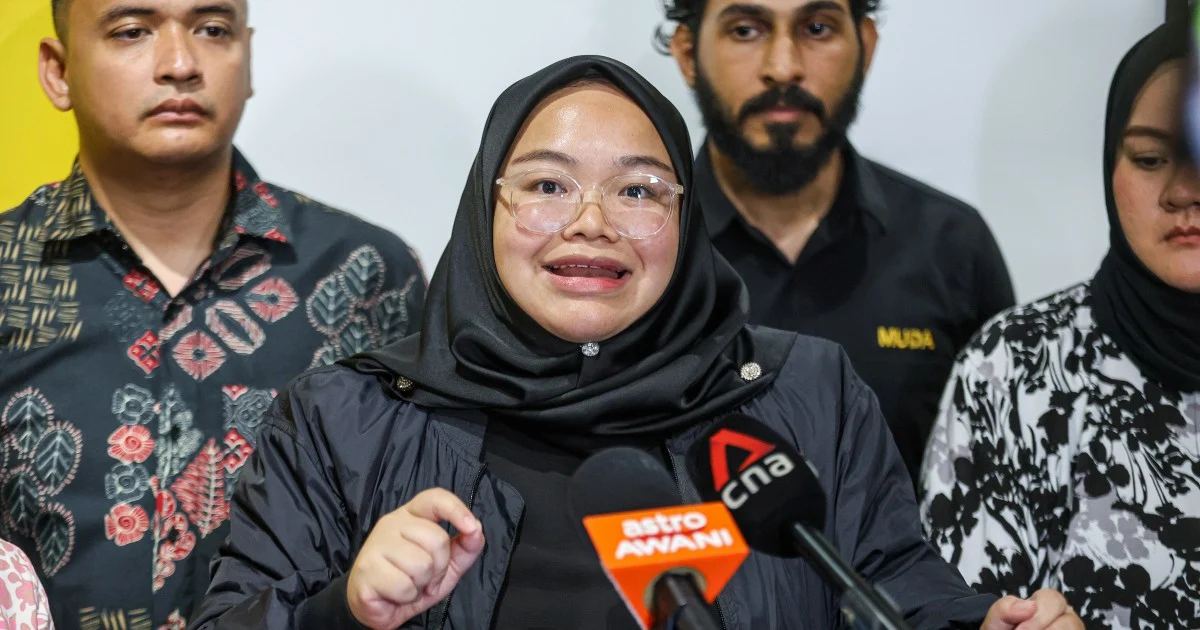
Youth-oriented political party Muda has signalled that it maintains positive working relations with Bersatu in Johor, though the two parties have not yet settled on joint electoral arrangements for the forthcoming state election. The clarification comes as political realignments continue to reshape Malaysia's electoral landscape, with parties across the peninsula assessing potential alliances ahead of critical contests.
Muda's statement reflects the careful diplomacy required in contemporary Malaysian politics, where relationships between parties often remain fluid and negotiated on a state-by-state basis. The Johor context is particularly significant given the state's political weight as the country's second-largest, and its pivotal role in determining broader coalition dynamics at the national level. Bersatu, which emerged as a significant player following political upheavals in 2020 and 2022, holds considerable sway in the southern state.
The absence of a formal cooperation framework between Muda and Bersatu in Johor does not necessarily indicate tensions or incompatibility. Rather, it reflects the ongoing negotiations that characterise pre-election politics in Malaysia, where parties frequently hold exploratory discussions without immediately committing to binding arrangements. Multiple variables influence such decisions, including candidate selection, seat allocation, and the broader political trajectory each party wishes to pursue.
Muda's positioning in Johor illustrates the broader challenge facing newer or smaller parties in Malaysia's political system. The party must balance its ambitions to contest seats and build electoral presence against the practical advantages of strategic cooperation with established players. Bersatu, despite its recent emergence, has developed considerable organisational capacity and retains influence particularly in heartland constituencies where traditional politics remain resilient.
From a Malaysian perspective, the Johor situation underscores how state-level politics often diverge from national patterns. While Muda and Bersatu may pursue different strategies at the federal level, local circumstances and personalities in Johor might dictate entirely separate calculations. State elections frequently operate according to their own logic, with voter priorities and demographic patterns distinct from those that determine national contests.
The negotiations between these parties also reflect evolving coalition mathematics in Southeast Asia's longest-established democracy. Over recent years, Malaysian politics has become increasingly fluid, with traditional two-coalition frameworks giving way to more complex multi-polar arrangements. Smaller parties have gained negotiating leverage precisely because neither major coalition can take electoral dominance for granted. This creates space for groups like Muda to extract concessions or maintain independence as circumstances warrant.
Bersatu's relationship with Muda must also be understood within the context of Bersatu's own coalition positioning. The party maintains ties to both Pakatan Harapan and Perikatan Nasional at different levels, creating complex incentive structures. Whether Bersatu cooperates with Muda in Johor may depend partly on broader strategic calculations about the party's national direction and which coalition framework best serves its interests.
For voters in Johor, the lack of a settled arrangement between Muda and Bersatu creates both opportunities and challenges. Greater electoral fragmentation could amplify the influence of spoiler dynamics, where the division of opposition or reformist votes allows establishment or incumbent parties to retain seats. Conversely, multiple parties contesting independently might better reflect the genuine diversity of voter preferences in different constituencies. The outcome depends substantially on local campaign dynamics and how effectively each party mobilises its base.
The timing of these discussions also matters considerably. Malaysian electoral cycles create windows when parties must finalise cooperation agreements, and negotiations often intensify as state election dates approach. Muda's current public stance of maintaining positive relations while avoiding firm commitment suggests the party may be preserving flexibility to make final decisions closer to the election date, potentially gaining better terms as the contest draws nearer.
Muda's growth trajectory since its registration in 2020 has made it an increasingly relevant actor in Malaysian politics. The party has built particular strength among younger voters and urban constituencies, demographics that overlap with but are not identical to Bersatu's traditional support base. This demographic complementarity could either encourage cooperation, allowing the parties to divide constituencies according to electoral strength, or generate competition as both parties pursue similar voter segments.
The broader implications for Malaysian politics extend beyond Johor itself. How Muda and Bersatu ultimately arrange themselves in this state will likely influence their strategic calculations elsewhere. Success in cooperation could encourage further partnership, while difficulties might push both parties toward independent or different coalition approaches in other contests. State elections function partly as laboratories for political experimentation, testing which combinations of parties and leaders can generate voter appeal.
As Johor prepares for elections, the lack of a finalised Muda-Bersatu arrangement reflects the genuine uncertainty characterising Malaysian politics at present. Neither party appears willing to be subsumed into the other's framework, yet both recognise the value of at least maintaining functional relationships. This situation will likely evolve as election dates are officially announced and campaign pressures mount, with the final configuration depending on negotiations that remain actively ongoing between party leadership.