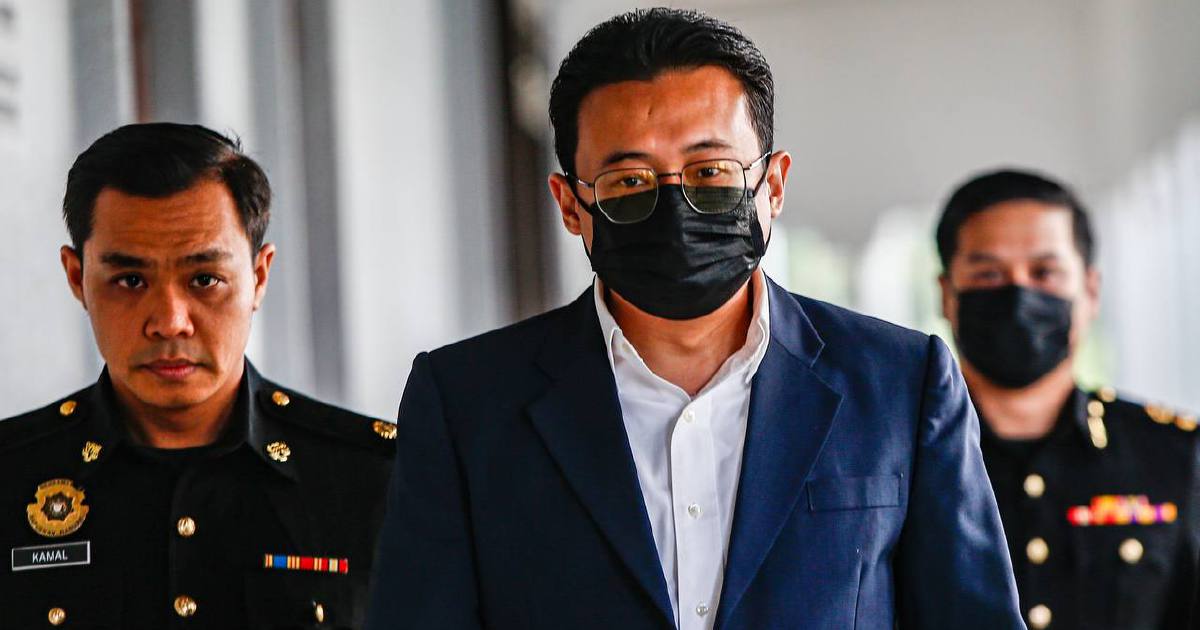
The chief executive officer of Malaysia Stadium Corporation pleaded not guilty before the Sessions Court in Kuala Lumpur today to allegations of soliciting and accepting bribes totalling RM1.45 million. The charges relate to a tender process for upgrading works at the National Squash Centre, raising fresh questions about governance standards within state-controlled entities managing Malaysia's sports infrastructure.
Facing seven separate counts, the MSC executive stands accused of using his official position to improperly solicit and receive substantial sums from a private company seeking to win the sports facility contract. Such allegations strike at the heart of public procurement integrity, a perennial concern across Southeast Asia where competitive bidding processes are meant to ensure taxpayer funds deliver optimal value and quality outcomes.
The National Squash Centre, a flagship venue housed within Bukit Jalil Sports City, represents significant investment in Malaysia's sporting heritage and grassroots development. Any irregularities in the management or upgrade of such facilities underscore broader structural vulnerabilities in how public assets are administered and maintained. The case arrives at a moment when Malaysia's authorities have intensified focus on financial misconduct within government-linked companies.
The MSC functions as the custodian of several major sporting venues and training complexes, making its operational integrity crucial to the national sports ecosystem. Beyond the immediate allegations, this trial illuminates the mechanisms through which public procurement can be compromised when gatekeepers of tender processes exercise discretionary authority without sufficient checks. The sums involved—RM1.45 million—represent a material proportion of typical facility upgrade budgets, suggesting the alleged misconduct could have distorted competitive selection in favour of a less qualified or expensive contractor.
For Malaysian readers and sports stakeholders, the implications extend beyond criminal accountability. Protracted legal proceedings often delay necessary infrastructure improvements, potentially affecting athlete training schedules and facility quality. The squash community, which has produced internationally competitive players in recent years, depends on world-class facilities to sustain Malaysia's competitive edge in a sport where regional and global representation matters considerably for national sporting prestige.
The trial unfolds against a backdrop of renewed governmental emphasis on transparency in state-owned enterprise management. Over recent years, Malaysia has grappled with high-profile cases involving misappropriation and misconduct across the government-linked company landscape, ranging from construction contracts to equipment procurement. Each case adds empirical weight to arguments for strengthened internal audit mechanisms, board oversight, and whistleblower protections within such entities.
Bribery allegations centred on tender awards carry particular weight because they undermine the foundational principle that government resources should be allocated through merit-based competition rather than financial inducements to decision-makers. When procurement processes become vehicles for personal enrichment, they inevitably disadvantage legitimate bidders, inflate project costs, and compromise the quality of infrastructure delivered to the public. In the Malaysian context, where infrastructure standards and maintenance culture directly influence competitive capacity in sports, these distortions cascade through the system.
The not guilty plea sets the stage for a substantive trial examining evidence of the alleged solicitations and payments. The prosecution will likely present documentation of fund transfers, witness testimony regarding negotiations, and communications establishing intent and knowledge. The robustness of that case will determine whether systemic reforms emerge from this particular scandal or whether it remains an isolated prosecution without triggering deeper institutional change.
For Malaysia Stadium Corporation itself, the reputational fallout persists regardless of trial outcome. Public confidence in the entity's governance and ethical standards faces erosion, potentially complicating future efforts to attract legitimate sponsorship partnerships or investor confidence. The corporation's board and senior management face pressure to demonstrate credible reforms, including enhanced procurement procedures, conflict-of-interest declarations, and compliance monitoring systems.
The case also reverberates through the broader Southeast Asian sports governance landscape, where similar allegations have surfaced in neighbouring countries managing commonwealth facilities and regional competition venues. Malaysia's handling of this trial—the rigour of prosecutions, the transparency of proceedings, and any subsequent reforms—will be closely observed by peers grappling with identical vulnerabilities in state sports administration.
Ultimately, the Sessions Court proceedings represent an opportunity for Malaysia's judicial system to reinforce that public officials occupy positions of trust incompatible with personal financial gain from their official decisions. Whether this prosecution catalyses meaningful institutional reform within state sports administration, or remains a standalone case without systemic consequences, will shape how effectively Malaysia defends the integrity of public procurement and asset management moving forward.