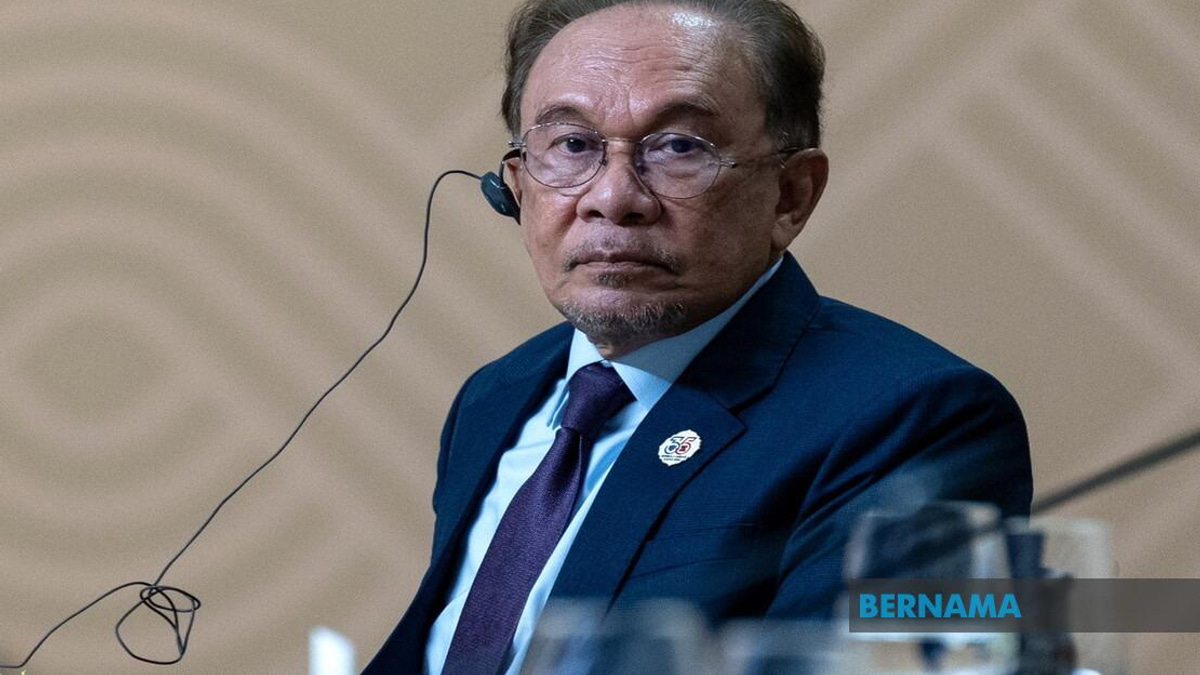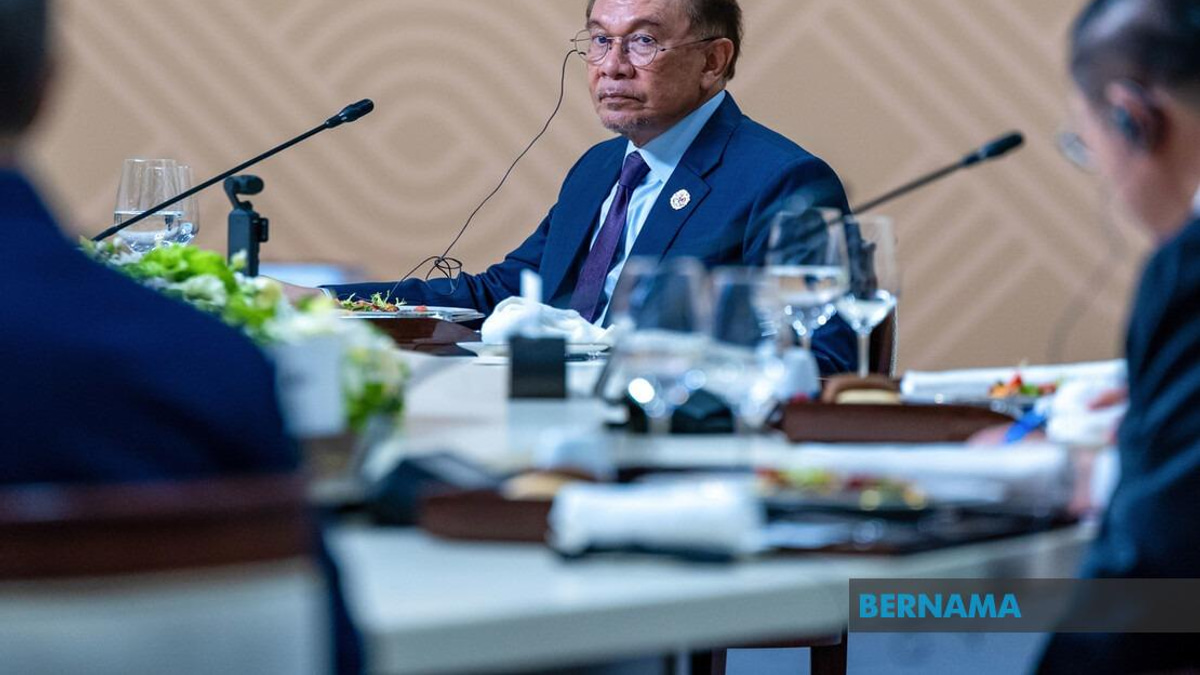
Prime Minister Datuk Seri Anwar Ibrahim has publicly endorsed the emerging diplomatic breakthrough between the United States and Iran, signalling Malaysia's support for resolving one of the most volatile geopolitical tensions affecting global stability. The endorsement came via a Facebook statement following announcements that both parties have reached an understanding to cease hostilities, with formal documentation expected to be signed imminently. This development carries significant implications for Malaysia and the broader Southeast Asian region, given the country's dependence on stable global energy markets and international trade routes.
Anwar specifically highlighted the instrumental role played by Pakistan in facilitating these negotiations, underscoring how regional actors outside the primary dispute can sometimes prove decisive in unlocking diplomatic solutions. The recognition of Pakistan's contribution reflects the interconnected nature of Middle Eastern geopolitics and demonstrates Malaysia's awareness that successful conflict resolution often requires contributions from unexpected quarters. By publicly commending these mediation efforts, Malaysia positioned itself as an informed observer of international diplomacy whilst reinforcing the principle that third-party engagement, when conducted in good faith, remains a viable path toward resolution.
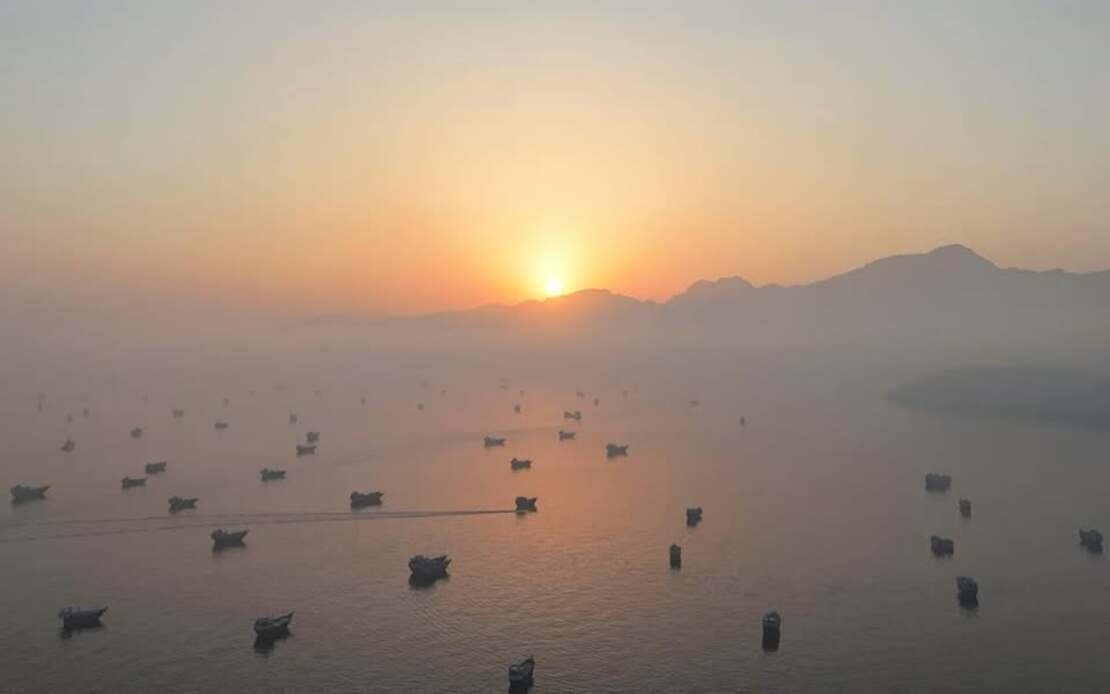
The Prime Minister identified the restoration of unobstructed shipping through the Strait of Hormuz as an immediate priority requiring urgent attention from all parties. This waterway represents far more than a symbolic conduit—it constitutes one of the world's most critical energy arteries, with roughly one-third of global maritime oil trade passing through its waters annually. Any prolonged closure or disruption carries cascading consequences for energy prices, supply chains, and economic stability across Asia-Pacific economies, including Malaysia's own industrial and manufacturing sectors. Anwar's emphasis on treating the strait's reopening as a matter of highest urgency reflected Malaysia's acute understanding of how Middle Eastern crises directly impact Southeast Asian economic prosperity.
The Prime Minister cautioned against complacency, stressing that mere agreement in principle remains insufficient without concrete implementation. His call for parties to proceed without delay and translate understanding into a durable peace settlement acknowledged the substantial gap between diplomatic announcements and enforceable agreements. This pragmatism stemmed from historical precedent—numerous Middle Eastern agreements have faltered during implementation phases or been undermined by subsequent escalation. Anwar's warning that parties must act in good faith signalled Malaysia's expectation that both the United States and Iran would demonstrate genuine commitment rather than using the agreement as a temporary tactical manoeuvre.
Crucially, the Prime Minister cautioned external actors against taking actions that could jeopardize the fragile diplomatic momentum. This caveat implicitly referenced concerns that other regional powers or non-state actors might exploit the transition period to escalate tensions or pursue parallel agendas. The delicate nature of the negotiated settlement meant that unilateral military actions, provocative statements, or aggressive posturing by any stakeholder could rapidly unravel what had been painstakingly constructed. Anwar's intervention underscored Malaysia's conviction that sustained international discipline would prove essential during this vulnerable consolidation phase.
The Malaysian government formally offered its support for efforts aimed at achieving a comprehensive and enduring peace framework. This commitment reflected Malaysia's broader foreign policy orientation toward dialogue, multilateralism, and peaceful dispute resolution. By positioning itself as a willing participant in peace consolidation efforts, Malaysia signalled its readiness to contribute through diplomatic channels, participation in international organizations, or other mechanisms that might reinforce the nascent settlement. Such positioning enhances Malaysia's standing as a responsible international actor whilst potentially opening avenues for increased diplomatic engagement.
US President Donald Trump's announcement authorizing the reopening of the Strait of Hormuz and lifting of the naval blockade represented the tangible diplomatic progress that prompted Malaysia's positive response. These concrete measures signified movement beyond rhetorical agreements toward substantive changes in military posture and freedom of navigation. For Malaysia and other nations dependent on stable transit through the waterway, Trump's announcement offered immediate relief from anxieties about sustained energy disruptions and trade impediments. The coincidence of Trump's declaration with Anwar's statement suggested coordination among international stakeholders in reinforcing the positive momentum.
The broader context underscores why Malaysia's voice matters in this equation. As a major Southeast Asian economy, an important maritime nation, and a country with significant energy import requirements, Malaysia experiences direct consequences from Middle Eastern instability. The nation's position along one of the world's busiest shipping corridors means that any disruption to international waterways—whether the Strait of Hormuz or closer to home—carries immediate operational implications. This intersection of interests justifies Malaysia's engagement with Middle Eastern crises extending beyond traditional regional boundaries.
Looking forward, the consolidation of any US-Iran settlement will require sustained international vigilance and active support from nations like Malaysia. Regional powers, global maritime stakeholders, and energy-dependent economies all share vested interests in ensuring that preliminary agreements crystallize into lasting arrangements. Malaysia's willingness to support peace efforts positions the country as a constructive participant in international stability-building, even as the nation maintains careful diplomatic balance across competing international relationships. The coming weeks and months will determine whether this latest diplomatic initiative proves more durable than previous failed attempts at resolving US-Iran tensions, with implications extending far beyond the Middle East into Malaysia's own economic and strategic interests.