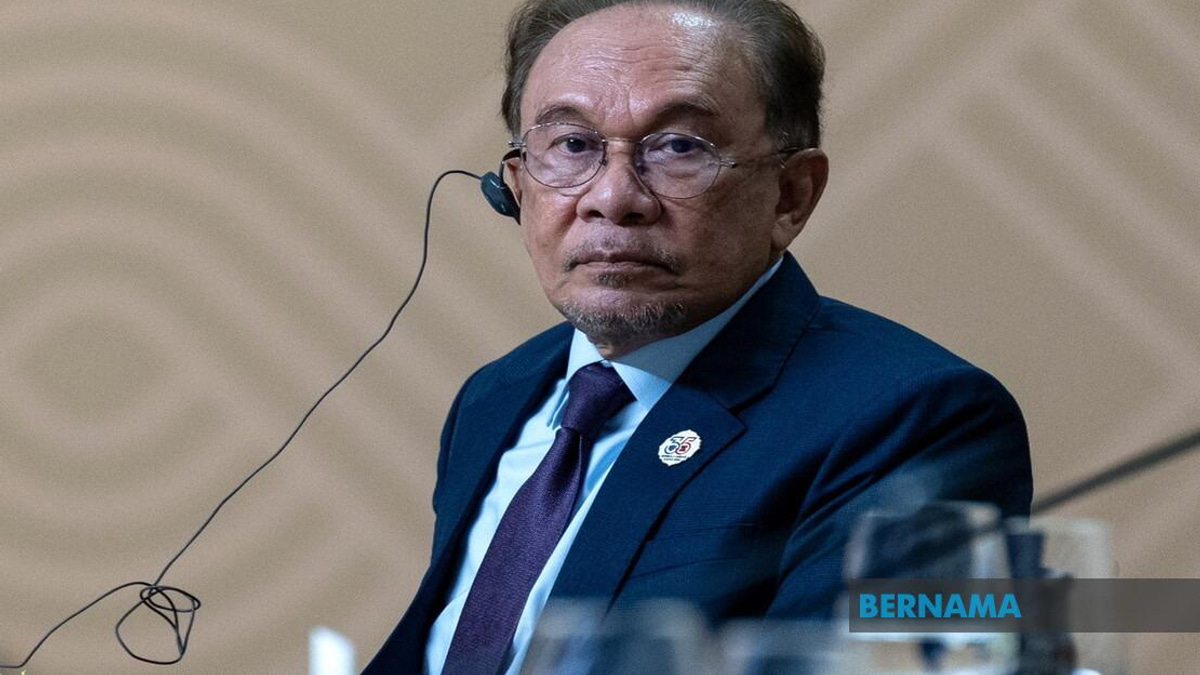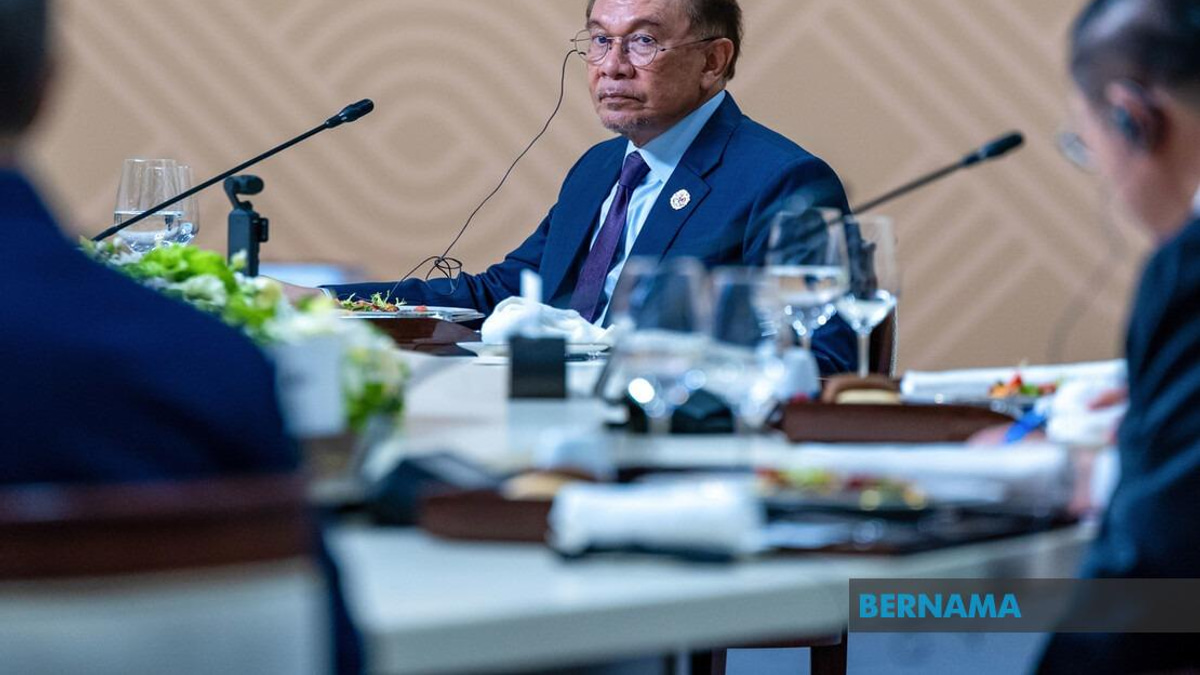
Prime Minister Datuk Seri Anwar Ibrahim's impending two-day state visit to Turkmenistan beginning June 18 signals a pivotal moment for deepening ties between Malaysia and the Central Asian nation, with substantial opportunities across multiple economic sectors. The trip to the capital Ashgabat represents a strategic engagement at the highest diplomatic level, underpinning Malaysia's expanding outreach beyond its traditional regional focus and reflecting the government's interest in diversifying international partnerships.
Energy cooperation stands at the forefront of anticipated outcomes from the visit. Turkmenistan possesses vast natural gas reserves and sits strategically along critical energy corridors serving Asia. For Malaysia, a nation with its own substantial hydrocarbon industries and growing energy demands, establishing stronger frameworks with Turkmenistan could open pathways for technology sharing, upstream investments, and future energy procurement arrangements. The engagement carries significance beyond commerce, as energy security has become a central concern across the Asia-Pacific region amid geopolitical shifts and supply chain reconfigurations.
The transportation and logistics dimension of the proposed cooperation reflects broader economic realities shaping Southeast Asia's engagement with Central Asia. Turkmenistan's position along the ancient Silk Road corridors and emerging Belt and Road Initiative projects makes it a natural hub for goods movement between East and West. Malaysian companies operating in shipping, port operations, and supply chain management stand to benefit from formalized cooperation agreements that could facilitate smoother trade flows and reduced transit costs for regional commerce.
Agricultural collaboration represents another avenue where both nations can leverage complementary strengths. Turkmenistan's extensive arable lands and agro-industrial capacity could align with Malaysia's food security priorities and experience in agricultural technology and value-added processing. Given that Malaysia remains dependent on imports for certain food categories and Turkmenistan faces opportunities to diversify its agricultural export markets beyond traditional buyers, bilateral initiatives in this sector could prove mutually advantageous and contribute to regional food stability.
The broader strategic context of Anwar's visit extends beyond immediate commercial interests. Malaysia has been gradually expanding its diplomatic footprint in Central Asia, recognizing that engagement with nations along the Belt and Road corridors is essential for a middle-power nation seeking to maintain relevance in an increasingly multipolar world. Turkmenistan, despite its energy wealth, has pursued a policy of neutrality in international affairs, making it a pragmatic partner for nations seeking to diversify relationships without alignments that could complicate other foreign policy objectives.
From Turkmenistan's perspective, deepening ties with Malaysia serves to enhance its own regional profile and establish stronger connections within the Islamic world and the Organisation of Islamic Cooperation, of which Malaysia plays an influential role. The visit provides an opportunity to explore how Turkmen energy resources and industrial capacity can better integrate with markets across Southeast Asia and the broader Muslim-majority world, potentially opening new trading relationships and investment channels.
The economic dimensions of this engagement merit particular attention for Malaysian stakeholders. Malaysian state-owned enterprises and private sector players in energy, finance, and logistics have been increasingly active in exploring Central Asian opportunities. A successful state visit that produces concrete agreements on cooperation frameworks, reduced trade barriers, and possibly joint ventures could catalyze business activities worth hundreds of millions of dollars and create employment opportunities domestically.
Educational and cultural exchanges are likely components of the visit's agenda, as these soft power initiatives typically accompany high-level state visits. Enhanced people-to-people ties through scholarships, student exchanges, and cultural programmes can build long-term relationships that support deeper commercial and political bonds. The significant Muslim populations in both countries provide additional foundation for cultural understanding and religious dialogue.
Institutional frameworks will probably be formalized during the visit, with potential agreements on joint commissions, regular consultation mechanisms, and sectoral working groups. Such structures are essential for translating political will into sustained practical cooperation, ensuring that initial enthusiasm translates into concrete deliverables that benefit both economies over time.
For Malaysia's position within broader Southeast Asian and Islamic diplomacy, the Turkmenistan visit underscores the nation's commitment to being a connector between different regions and civilizations. This approach aligns with Malaysia's strategic doctrine of maintaining balanced relationships across the geopolitical spectrum while prioritizing economic benefits and soft power influence.
The visit also reflects Anwar Ibrahim's personal diplomatic style, which has consistently emphasized pragmatic engagement and mutual benefit across ideological and geographical divides. His outreach to Central Asia complements Malaysia's other international initiatives and demonstrates that the government views regional diversification not as a zero-sum competition with existing partnerships but as an additive strategy enhancing Malaysia's overall strategic autonomy and economic resilience.