%22%2F%3E%3C%2Fpattern%3E%3C%2Fdefs%3E%3Crect%20width%3D%22100%25%22%20height%3D%22100%25%22%20fill%3D%22url(%23ph5j7pvg)%22%2F%3E%3Crect%20width%3D%22100%25%22%20height%3D%22100%25%22%20fill%3D%22url(%23ph5j7pvp)%22%2F%3E%3Ctext%20x%3D%2250%25%22%20y%3D%2250%25%22%20text-anchor%3D%22middle%22%20dominant-baseline%3D%22central%22%20fill%3D%22rgba(255%2C255%2C255%2C0.95)%22%20font-family%3D%22Georgia%2C%20'Times%20New%20Roman'%2C%20serif%22%20font-weight%3D%22700%22%20font-size%3D%22170%22%20letter-spacing%3D%22-0.02em%22%3EMalaysia%3C%2Ftext%3E%3C%2Fsvg%3E)
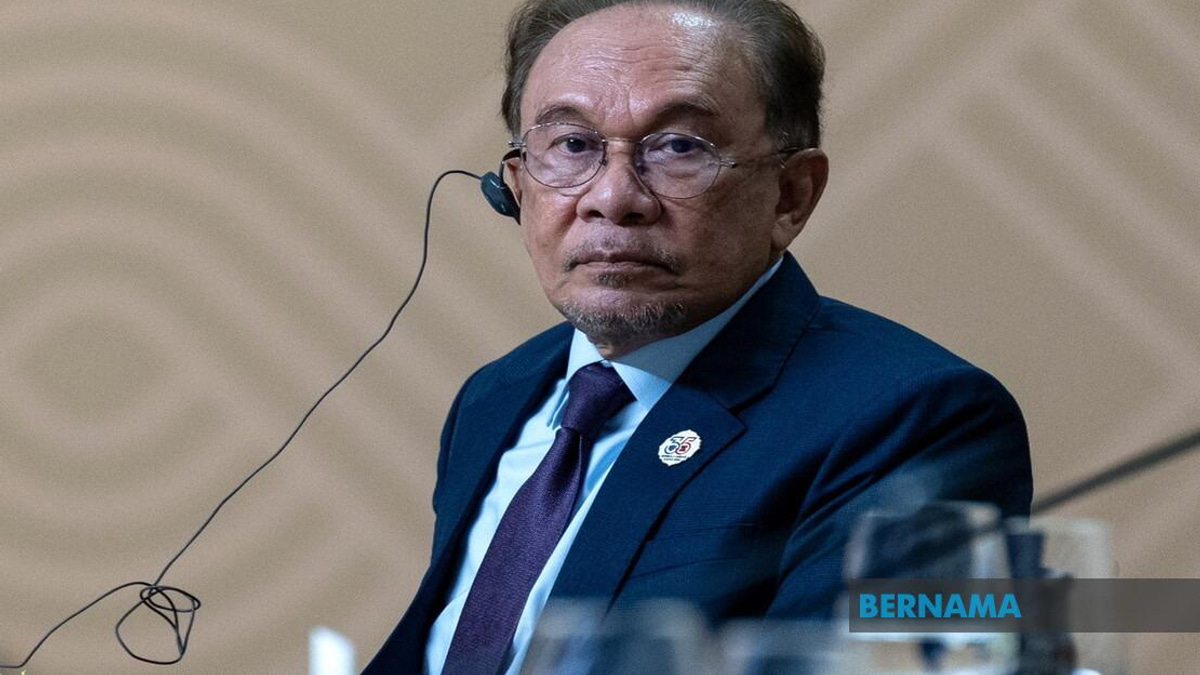
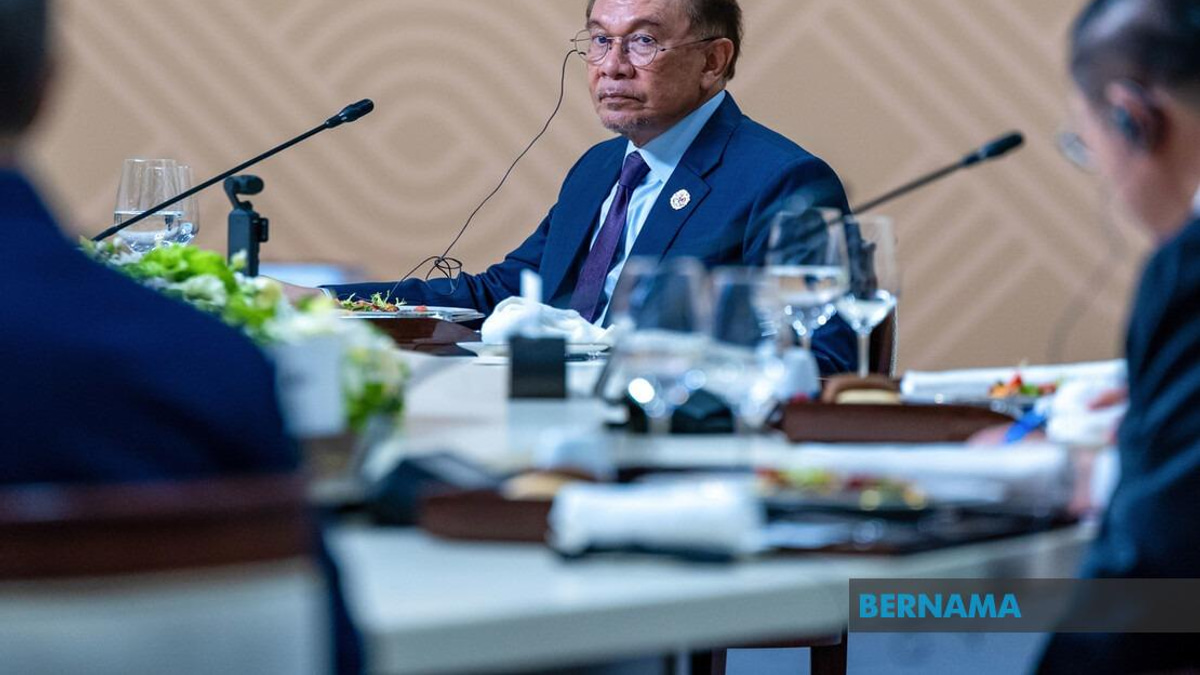
Prime Minister Anwar Ibrahim is positioning Malaysia's upcoming diplomatic engagement with Russia as a strategic opportunity to fortify the nation's energy security, particularly regarding crude oil and diesel supply chains. Speaking during a community engagement in Muar on June 15, Anwar outlined his intention to emphasise fuel supply continuity during his meeting with Russian President Vladimir Putin, which will occur as part of a broader gathering involving ASEAN leadership and Russian officials. The move reflects growing recognition within Malaysia's leadership that sustained economic stability depends critically on stable energy sourcing and predictable pricing mechanisms in an increasingly volatile global marketplace.
The Malaysian government's proactive approach to energy diplomacy stands in sharp contrast to supply vulnerabilities emerging across other Southeast Asian economies. Several neighbouring nations within ASEAN have begun experiencing disruptions to their petroleum supply chains, a situation Anwar identified as a cautionary example justifying Malaysia's diplomatic overtures. By maintaining robust relations with major energy producers, Malaysia aims to insulate itself from the cascading effects of supply interruptions that plague less diplomatically engaged regional peers. This strategic orientation reflects a broader understanding that energy security cannot be assured through market mechanisms alone, particularly when geopolitical considerations increasingly determine resource allocation among competing nations.
The economic implications of Malaysia's current fuel pricing regime underscore why supply security carries such operational importance. The government has maintained RON95 petrol at RM1.99 per litre—among the world's most competitive retail rates—through deliberate economic management and sustained international engagement. This pricing advantage, Anwar suggested, represents a direct dividend from sound fiscal stewardship and diplomatic relationships cultivated across multiple regions. However, maintaining this pricing stability depends fundamentally on uninterrupted supply channels and protection from external price shocks. Any sustained elevation in global crude costs resulting from supply disruptions would force difficult political decisions regarding domestic subsidies and pricing structures.
Middle Eastern geopolitical developments represent the most immediate threat to Malaysia's energy supply stability. Anwar highlighted the escalating Israel-United States military actions against Iran and the consequential closure of the Strait of Hormuz as sources of significant concern for regional energy markets. This critical maritime passage handles approximately one-third of global seaborne petroleum trade, making any sustained closure profoundly disruptive to Asian importers dependent on Middle Eastern crude. Malaysia, as a significant energy consumer with limited domestic production reserves, faces particular vulnerability to such supply disruptions, with consequences reverberating through manufacturing sectors, transportation networks, and household budgets.
The geopolitical calculus underlying Middle Eastern tensions creates unpredictable commodity markets that extend well beyond headline oil prices. Anwar referenced recent communications with Pakistan's Prime Minister suggesting potential near-term resolution to the armed conflict, with discussions of possible agreements by week's end. While cautiously optimistic about diplomatic pathways, the Prime Minister acknowledged that sustained Strait of Hormuz closure would transmit immediate price pressures throughout the Malaysian economy and broader ASEAN region. Current market indicators show crude prices already beginning modest declines, though these gains remain fragile pending resolution of underlying geopolitical disputes.
The timing of Anwar's Russian engagement appears deliberately calibrated to address these emerging vulnerabilities. By directly negotiating with Moscow regarding preferential access to Russian petroleum exports, Malaysia seeks to diversify its energy sourcing and reduce dependence on Middle Eastern supplies that traverse vulnerable maritime chokepoints. Russia's significant petroleum production capacity and strategic interests in Asian markets create natural alignment for such supply arrangements. Additionally, Russian leadership has demonstrated willingness to negotiate energetically with Southeast Asian governments, viewing the region as increasingly important within broader global trade reorientation away from Western-dominated markets.
MALAYSIA's historical experience with energy market volatility informs current diplomatic priorities. The nation has weathered previous petroleum supply shocks and price spikes, experiencing direct economic consequences affecting competitiveness and living standards. Unlike nations with substantial sovereign wealth reserves or alternative energy revenues, Malaysia's fiscal capacity to absorb sustained energy price increases remains limited, necessitating preventative diplomatic engagement. The government's approach reflects pragmatic recognition that stable energy access represents a prerequisite for economic growth and social stability rather than an ancillary consideration within broader foreign policy frameworks.
The ASEAN dimension of Anwar's Russian visit adds strategic weight to these bilateral energy discussions. Coordinated Southeast Asian engagement with Russian leadership concerning energy security reflects recognition that regional nations share common vulnerabilities and could benefit from collective negotiating positions. Individual bilateral arrangements risk creating competitive dynamics whereby nations undercut one another seeking preferential access. Conversely, coordinated regional approaches enhance negotiating leverage and create possibilities for supply arrangements benefiting multiple economies simultaneously. This collective approach aligns with ASEAN's established emphasis on regional solidarity and shared economic advancement.
Longer-term implications of Malaysia's energy diplomacy extend beyond immediate fuel supply concerns to encompass broader energy transition considerations. While current discussions centre on traditional petroleum supplies, Malaysia's ultimate economic sustainability depends on developing diverse energy portfolios incorporating renewable sources and technological innovation. However, near-term energy security remains prerequisite for undertaking longer-term transition planning. By securing stable petroleum supplies through diplomatic engagement, Malaysia creates foundation for managed energy evolution rather than forced transition driven by supply crises. This perspective positions current Russian engagement as supporting rather than undermining Malaysia's eventual pathway toward energy diversity and reduced carbon dependence.