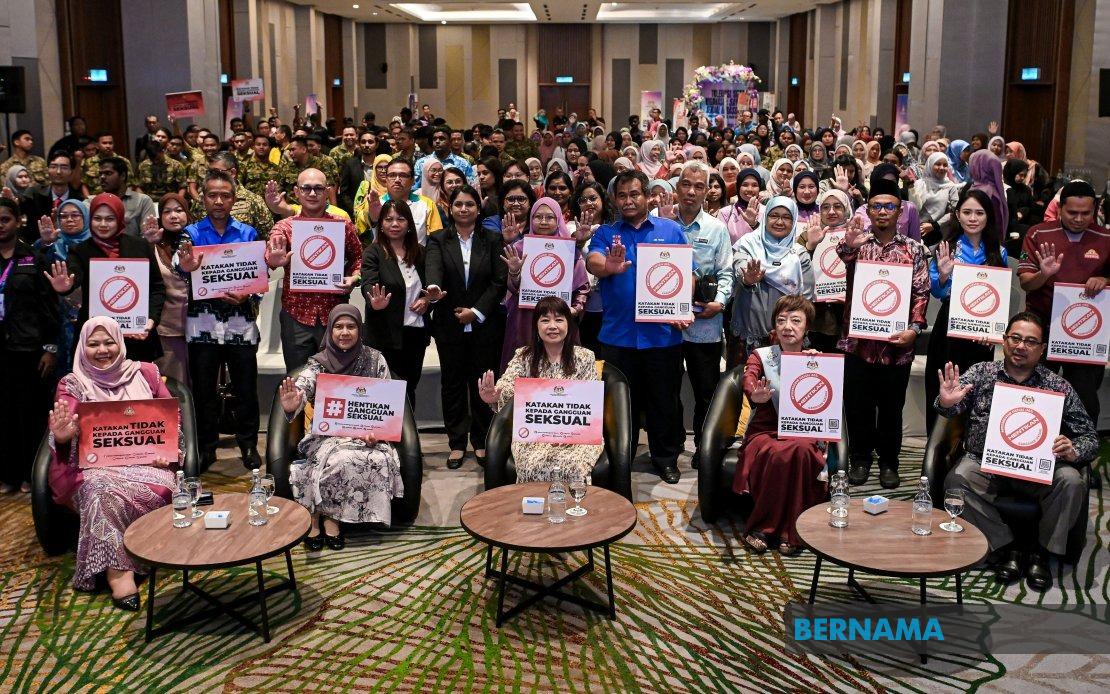
Malaysia's sexual harassment landscape is undergoing significant change, with 388 complaints lodged during the initial five-month period of 2024 alone. Deputy Minister of Women, Family and Community Development Lim Hui Ying disclosed these figures in Port Dickson on June 18, highlighting what appears to be an accelerating pattern of reported misconduct across the nation. The statistics underscore a mounting recognition that sexual harassment remains a persistent challenge requiring urgent societal response.
The trajectory of reported cases paints a compelling narrative about shifting social attitudes rather than necessarily indicating a proliferation of incidents themselves. Police data reveals an escalation from 477 documented cases in 2022 to 1,038 in 2023, followed by the 388 cases reported within just five months this year. Rather than viewing this surge solely as evidence of worsening conditions, Lim characterised the increase as reflecting deepened public consciousness and victim willingness to abandon silence. This interpretation aligns with international research suggesting that heightened reporting often follows awareness campaigns and institutional reforms designed to empower those experiencing harassment.
Workplace environments and familial connections emerge as primary contexts for these reported violations. Lim's disclosure that most cases occur within professional settings and frequently involve perpetrators with family ties to victims reveals the intimate nature of sexual harassment in Malaysia. This pattern carries profound implications for workplace policies, as harassment often involves power dynamics shaped by professional hierarchies and personal relationships. The prevalence of family-connected incidents further complicates matters, as victims frequently confront pressure to maintain family harmony, creating psychological barriers to disclosure despite suffering harm.
Victims face substantial obstacles preventing formal complaints, even when experiencing clear harassment. Concerns about career jeopardy, family relationship deterioration, and persistent shame continue deterring many from approaching authorities or employers. This underreporting phenomenon means official statistics likely represent only a fraction of actual incidents occurring across Malaysia. The ministry's acknowledgment of these barriers indicates official recognition that systemic change requires addressing not merely perpetrator behaviour but also the structural and emotional conditions that silence victims. Creating genuinely safe reporting channels demands institutional commitment beyond ceremonial policy announcements.
The emerging evidence demonstrates that sexual harassment extends beyond women, though male victims constitute a substantially smaller proportion of reported cases. This distinction matters for policy formulation, as tailored support mechanisms must account for gender-specific experiences and stigma patterns. Male victims often face particular reluctance to report due to cultural expectations surrounding masculinity and vulnerability. Acknowledging male victimhood whilst recognising the disproportionate impact on women represents an essential balance for comprehensive intervention strategies that serve all affected populations.
The Tribunal for Anti-Sexual Harassment has demonstrated measurable efficacy in expediting justice for complainants. With 100 complaints received by mid-June and 82 cases resolved within the initial 60-day hearing window, TAGS provides tangible evidence that institutional mechanisms can deliver timely outcomes. This achievement contrasts with traditional judicial processes notorious for protracted timelines, potentially encouraging victim participation through realistic expectations of resolution speed. However, the tribunal's caseload relative to overall reported incidents suggests awareness of its existence remains limited, warranting expanded publicity and accessibility efforts.
The ministry's Women, Peace and Security advocacy initiatives reflect international commitments under the National Action Plan 2025–2030, positioning sexual harassment prevention within broader frameworks of national security and sustainable development. This strategic integration acknowledges that harassment undermines social cohesion and women's economic participation, with cascading consequences for national prosperity and stability. The WPS framework enables Malaysian policymakers to leverage global best practices whilst contextualising interventions for local conditions.
Lim's emphasis on harassment as fundamentally damaging to victim dignity, emotional health, and quality of life establishes moral clarity essential for cultural transformation. Sexual harassment is not a minor inconvenience or inevitable workplace feature but a violation inflicting measurable psychological harm. This framing empowers victims and communities by legitimising their distress whilst delegitimising perpetrators' actions and those who enable tolerance. Normalising such harassment represents a choice societies make through inaction, not an unchangeable reality.
Collective responsibility for eliminating harassment demands participation across all social strata. Parents, educators, employers, colleagues, and students must actively cultivate environments hostile to misconduct through consistent messaging, policy enforcement, and cultural modelling. Early education proving particularly critical, as values inculcated during formative years shape lifelong attitudes toward respect, consent, and personal boundaries. This preventive approach complements reactive mechanisms by addressing root causes of harassment in normalised disrespect and entitlement.
Comprehensive support infrastructure operated through multiple channels ensures victims accessing assistance face minimal barriers. Talian Kasih 15999, providing round-the-clock counselling and psychosocial support, represents a crucial resource for those experiencing acute distress or safety concerns. Coupled with localised social support centres, this integrated approach recognises that victims require varied intervention types depending on their circumstances and preferences. Accessibility across geographic regions particularly matters in Malaysia, where transportation challenges might otherwise prevent rural victims from obtaining assistance.
The escalating reported incident trend, though concerning, signals potential progress in breaking silence rather than catastrophic deterioration in workplace and social conditions. Malaysia's challenge now involves sustaining momentum toward institutional, legal, and cultural reforms that genuinely protect potential victims whilst supporting those already harmed. The convergence of heightened awareness, tribunal mechanisms, and multifaceted support services creates conditions for meaningful change, provided political will and resource commitment remain steady.