The Prime Minister's Department (Religious Affairs) has introduced a new Maal Hijrah Lecture Series designed to elevate the influence and accessibility of recognised Islamic figures whose intellectual contributions have often remained confined to academic institutions and specialist audiences. The initiative represents a deliberate effort to democratise knowledge production within Islamic scholarship, ensuring that the insights of these leading thinkers reach ordinary Malaysians across diverse socioeconomic and educational backgrounds.
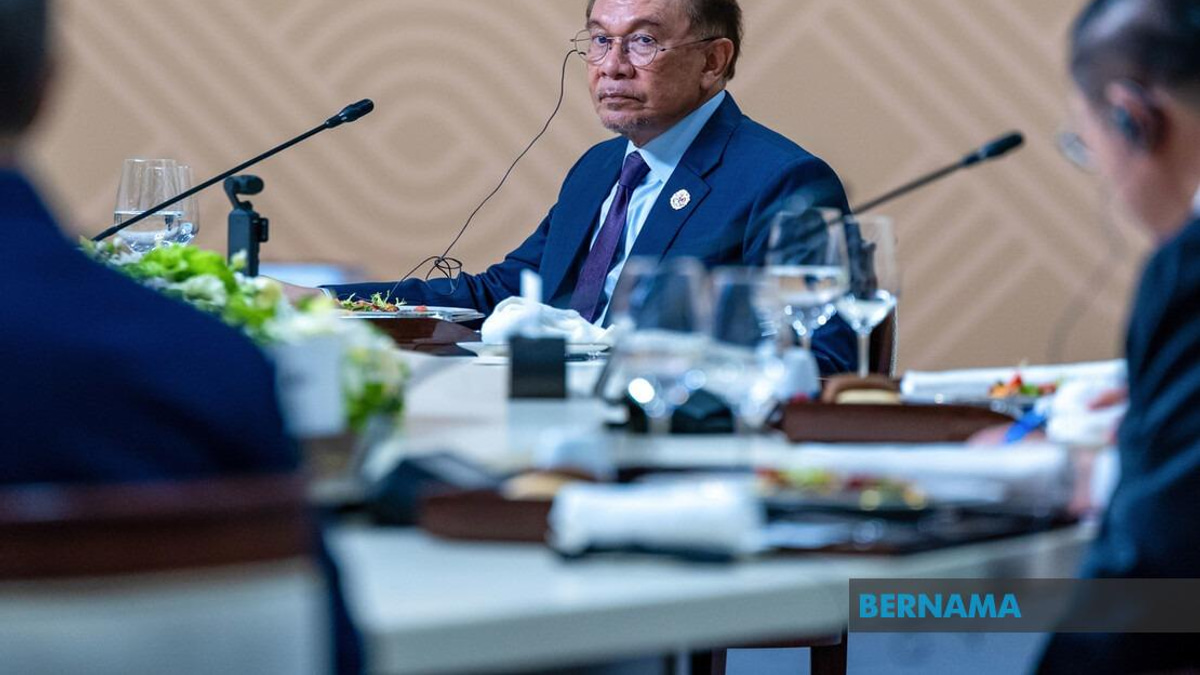
Minister in the Prime Minister's Department (Religious Affairs) Dr Zulkifli Hasan unveiled the programme during the official inauguration of the Maal Hijrah 1448H/2026 Lecture Series in Putrajaya, emphasising that the intellectual frameworks developed by Maal Hijrah figures cannot remain isolated within university departments or exclusive study circles. The minister's rhetoric suggests a strategic pivot towards public-facing scholarship, reflecting broader governmental interest in positioning Islamic thought as a dynamic, contemporary force applicable to everyday decision-making rather than merely a historical or specialised domain.
The initiative has already garnered substantial institutional backing, with key Malaysian universities signalling their commitment to the project's success. Both Universiti Sains Islam Malaysia (USIM) and International Islamic University Malaysia (IIUM) have provided positive feedback and agreed to participate as strategic partners. Rather than limiting collaboration to these anchor institutions, officials have indicated plans to progressively expand partnerships to encompass additional universities and research organisations, thereby creating a distributed network capable of reaching audiences in different regions and institutional contexts.
Dr Zulkifli articulated an ambitious vision extending beyond Muslim communities, suggesting that the intellectual contributions of Maal Hijrah figures possess cross-religious relevance and appeal. By explicitly hoping that non-Muslim populations would appreciate and engage with these scholarly perspectives, the minister indicated that Islamic thought leadership is being framed as applicable to broader societal challenges and questions of universal ethical significance. This positioning reflects a sophisticated understanding of contemporary Malaysia's multicultural composition and the potential for Islamic scholarship to contribute meaningfully to national-level discourse.
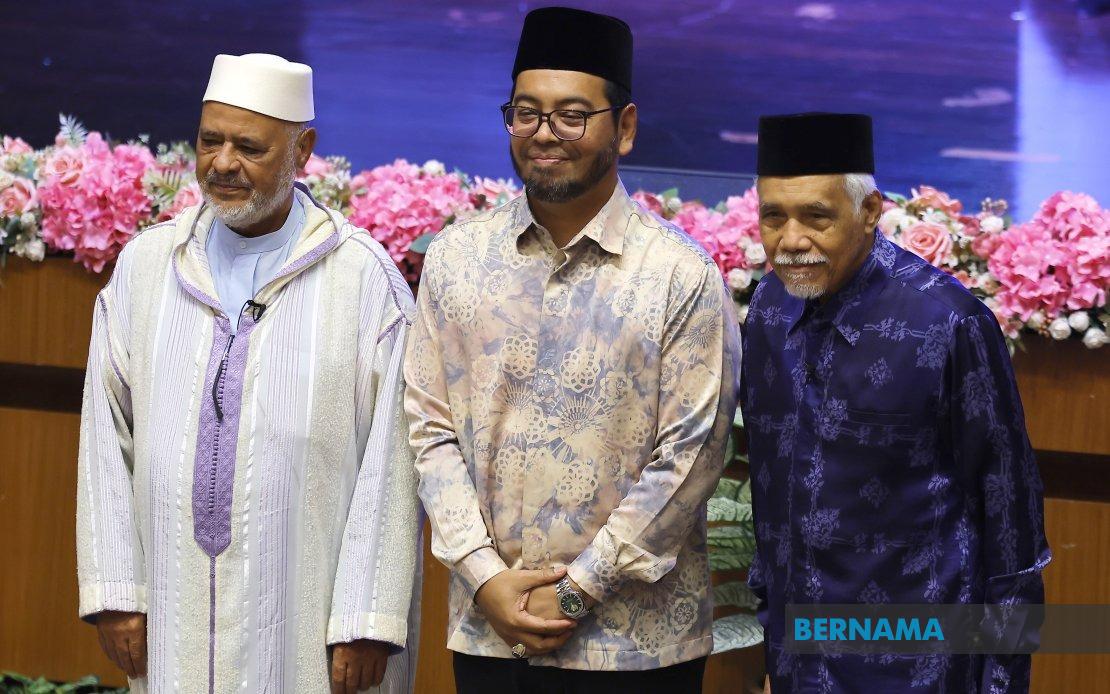
Two distinguished scholars received formal recognition at the inaugural celebration held the previous day at Masjid Putra. Emeritus Professor Osman Bakar, rector of IIUM, was honoured as the national Maal Hijrah figure, while Prof Sheikh Dr Ahmad Al-Raysuni, an acclaimed Islamic jurisprudence specialist from Morocco, received the international Maal Hijrah figure award. The Sultan of Perak, Sultan Nazrin Shah, personally presented these honours, accompanied by cash prizes, trophies, and certificates of appreciation, underscoring the symbolic and institutional weight attached to these recognition ceremonies.
The selection of Osman Bakar carries particular significance within Malaysian academic and Islamic intellectual circles. His extensive career at IIUM has positioned him as a bridge between traditional Islamic scholarship and contemporary philosophical inquiry, making him an exemplary figure whose work the government seeks to amplify through the new lecture series. His research interests span Islamic philosophy, science, and civilisation, areas increasingly relevant to Malaysia's aspirations as a knowledge-based economy navigating tensions between tradition and modernisation.
Prof Ahmad Al-Raysuni's international award recognition signals Malaysia's engagement with global Islamic intellectual networks and its willingness to learn from and collaborate with scholars working in other Muslim-majority contexts. Al-Raysuni's expertise in Islamic jurisprudence and his contributions to contemporary discussions about Islamic law's application in modern societies make him a valuable intellectual resource for Malaysian audiences grappling with similar questions about balancing religious principles with contemporary governance challenges.
The timing of this initiative during the Maal Hijrah 1448H/2026 celebration cycle indicates that the government views the Islamic lunar calendar's turning points as appropriate moments for strategic investments in cultural and intellectual programming. This pattern reflects how official bodies in Malaysia routinely activate religious calendars as frameworks for policy implementation and public engagement, leveraging existing cultural rhythms to introduce substantive programmatic shifts.
For Southeast Asian observers, the Malaysian government's pivot towards popularising Islamic scholarship carries implications beyond national borders. As one of the region's larger Muslim-majority democracies with significant intellectual infrastructure, Malaysia's approaches to knowledge dissemination and public engagement with Islamic thought influence regional conversations about religion's role in contemporary governance. The lecture series represents an experiment in whether systematic institutional efforts can effectively shift how Islamic scholarship circulates within public discourse, potentially offering models that other regional governments might consider.
The emphasis on preventing Islamic intellectual leadership from remaining marginalised within specialist circles addresses a genuine gap between the volume of serious Islamic scholarship being produced regionally and its limited penetration into mainstream public awareness. By mobilising university partnerships and official recognition ceremonies, Malaysian authorities are attempting to construct visible pathways through which scholarly insights can travel from academic contexts into broader societal consciousness. Whether these structural interventions prove sufficient to overcome deeper structural barriers—including language accessibility, educational background prerequisites, and competing media narratives—remains an open question that the lecture series will help illuminate.
The initiative also reflects broader Malaysian policy conversations about Islamic leadership development and the cultivation of intellectual authority within Muslim communities. By celebrating and amplifying figures like Osman Bakar and Ahmad Al-Raysuni, the government signals its preference for scholar-led Islam over alternative forms of Islamic authority, positioning academic expertise and rigorous intellectual engagement as preferable foundations for religious guidance. This strategic choice shapes which voices gain institutional platforms and resource allocation, thereby influencing the texture of Islamic discourse available to Malaysian publics navigating complex contemporary challenges.