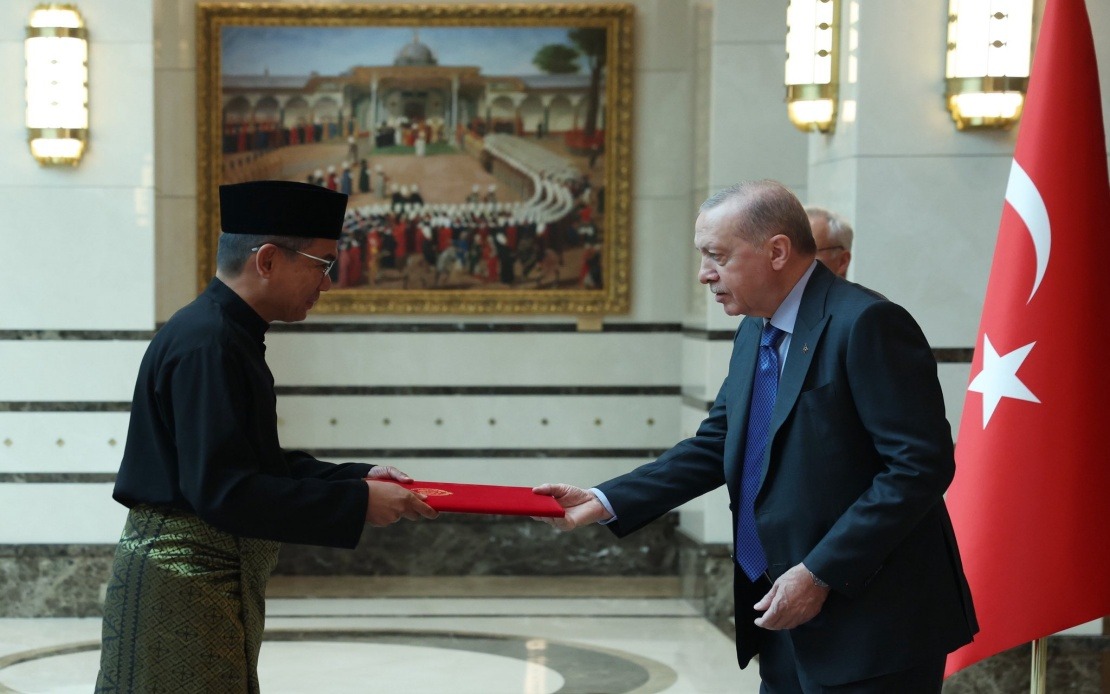
Malaysia has formally thrown its support behind Türkiye's application to become an ASEAN Dialogue Partner, signalling deepening ties between the Southeast Asian nation and the transcontinental power. The endorsement came during a significant diplomatic moment when Malaysian Ambassador to Türkiye, Adlan Mohd Shaffieq, presented his credentials to Turkish President Recep Tayyip Erdoğan at the Presidential Complex in Ankara on June 17.
The ambassador used the occasion to articulate Malaysia's backing for Türkiye's regional aspirations, framing the move within a broader context of enhanced bilateral engagement. In his formal statement, Adlan highlighted that Türkiye has increasingly positioned itself as a consequential partner for Southeast Asia, demonstrating this through widening commercial ventures, a forward-thinking strategic approach to regional affairs, and strengthening cultural and people-to-people connections with ASEAN member nations. This characterization reflects Malaysia's view that Türkiye brings valuable perspectives and capabilities to regional dialogue.
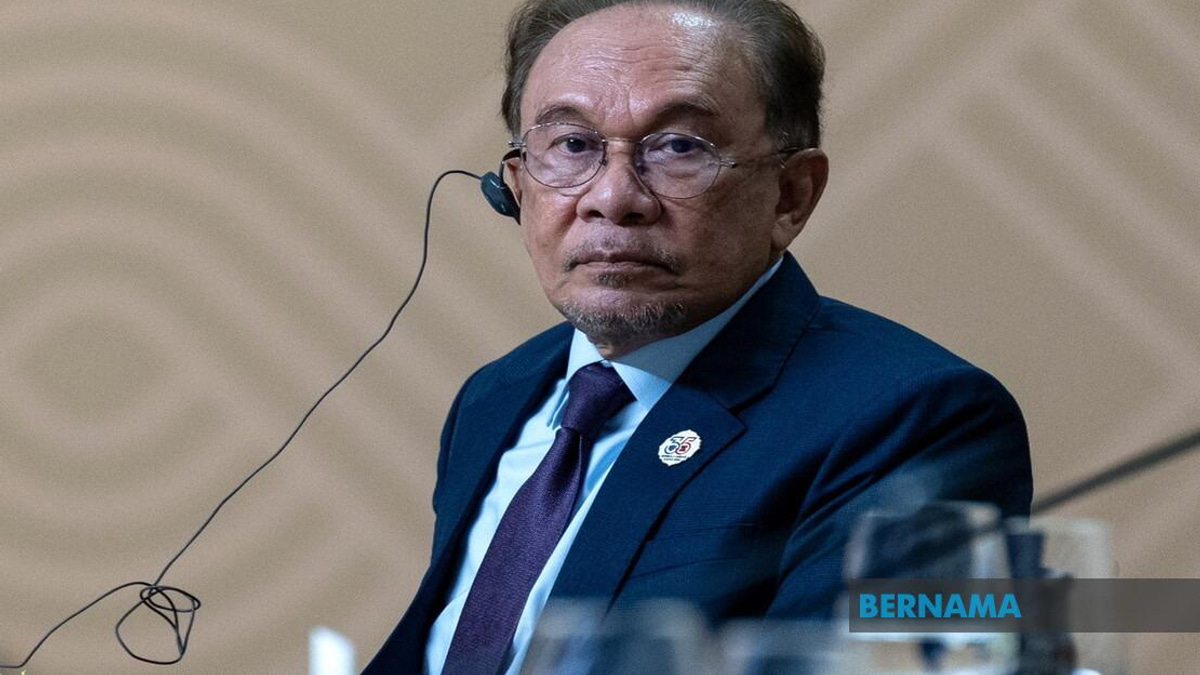
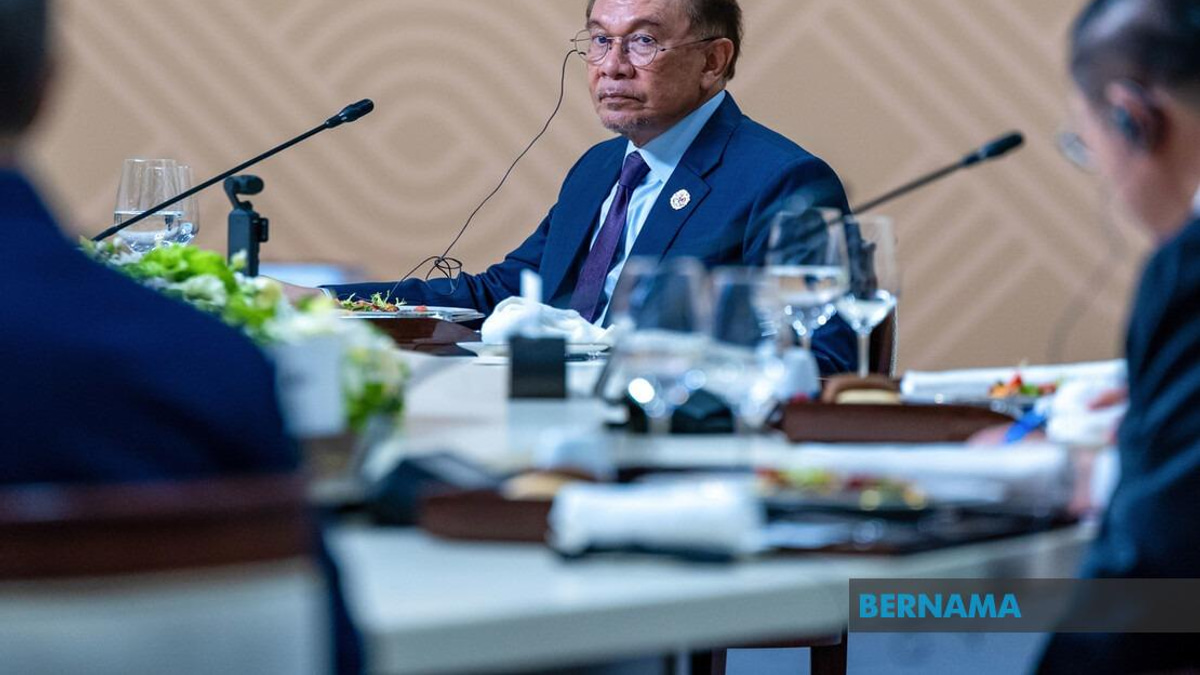
The ceremonial presentation of credentials also provided a platform for conveying Malaysia's highest-level goodwill. Ambassador Adlan delivered warm salutations and best wishes from His Majesty Sultan Ibrahim, King of Malaysia, and Prime Minister Datuk Seri Anwar Ibrahim to President Erdoğan. Such gestures underscore the importance Malaysia assigns to the relationship and the personal bonds between the two nations' leadership.
Malaysia's commitment to expanding ties with Ankara spans multiple domains. The ambassador reaffirmed Malaysia's determination to deepen the established friendship and strategic partnership, emphasizing that cooperation has been sustained through consistent high-level diplomatic engagement and expanding collaboration across education, defence, and the halal industry. These sectors reflect complementary strengths: Malaysia's expertise in halal certification and products appeals to Türkiye's large Muslim population and halal export ambitions, while defence cooperation addresses shared security interests in their respective regions.
The relationship between the two nations rests on foundations described as built upon mutual confidence, mutual respect, and shared objectives regarding international peace, economic development, and social progress. Ambassador Adlan notably emphasized the significance of personal rapport between President Erdoğan and Prime Minister Anwar Ibrahim, suggesting that this interpersonal dimension could catalyze broader institutional collaboration. He articulated a vision wherein the two leaders' aligned thinking serves as a springboard for intensified engagement across diverse sectors, from trade to cultural exchange.
Türkiye's economic aspirations in the region carry substantial weight in this diplomatic overture. President Erdoğan, upon receiving the ambassador, expressed optimism regarding bilateral commerce, specifically mentioning the target of reaching US$10 billion in trade volume between the two countries. This ambitious figure indicates both nations' commitment to expanding economic relations and reflects Türkiye's strategy of deepening commercial ties with ASEAN economies as it pursues closer integration with the region.
For Malaysia and the broader ASEAN community, supporting Türkiye's Dialogue Partner status carries strategic implications. Such designation would enhance Türkiye's formal participation in ASEAN's consultative mechanisms, allowing it greater voice in regional discussions on security, trade, and development. Given Türkiye's geographic position straddling Europe and Asia, its growing defence capabilities, and its role as a bridge between different civilizations, its closer alignment with ASEAN could facilitate expanded cooperation on issues ranging from maritime security to counterterrorism.
Malaysia's endorsement also reflects its broader foreign policy orientation under Prime Minister Anwar Ibrahim's leadership, characterized by pragmatic engagement with diverse global partners and emphasis on South-South cooperation. By supporting Türkiye's aspirations, Malaysia positions itself as a bridge-builder willing to facilitate deeper engagement between ASEAN and important emerging powers. This approach aligns with ASEAN's traditional non-aligned posture while acknowledging the need to deepen relationships with strategically important nations beyond the traditional dialogue partners.
The halal industry represents a particularly significant avenue for Malaysia-Türkiye cooperation. As a global leader in halal certification and a major exporter of halal products, Malaysia can leverage its expertise to assist Türkiye in developing its halal sector, which has become increasingly important for Turkish exports to Muslim-majority markets. Conversely, Türkiye's strong manufacturing base and geographic advantages for Middle Eastern trade offer complementary benefits to Malaysian enterprises seeking regional expansion.
Education cooperation between the nations has also expanded substantially. Turkish universities increasingly attract Malaysian students, while Malaysian institutions welcome Turkish scholars. Such academic exchanges foster people-to-people connections essential for long-term relationship sustainability and generate mutual understanding between societies. Defence cooperation, meanwhile, addresses shared security concerns in an era of evolving geopolitical challenges and has included defence industry partnerships and military training initiatives.
From a regional perspective, Türkiye's integration as a Dialogue Partner would strengthen ASEAN's external engagement architecture. The bloc has traditionally maintained dialogue partnerships with major powers to ensure balanced engagement and prevent any single power from dominating regional affairs. Türkiye's inclusion would add diversity to this framework and potentially provide alternative perspectives on global issues, particularly regarding Middle Eastern affairs where Türkiye wields considerable influence.
The timing of Malaysia's formal endorsement carries significance as well. With ASEAN navigating complex geopolitical currents involving great power competition and regional security challenges, strengthened relationships with capable external partners like Türkiye can enhance the bloc's strategic autonomy and negotiating leverage. Malaysia's proactive support signals that advancing Türkiye's institutional ties with ASEAN enjoys broad backing within the organization, potentially facilitating smoother approval of the application through ASEAN's consensus-based decision-making processes.
Moving forward, the Malaysia-Türkiye relationship appears positioned for substantive expansion across multiple dimensions. The convergence of strategic interests, complementary economic capabilities, and personal rapport between national leaders creates fertile ground for deepened engagement. As Türkiye pursues its broader objective of becoming a Dialogue Partner, Malaysia's explicit support provides meaningful momentum while simultaneously advancing Malaysia's own interests in strengthening regional partnerships and expanding economic opportunities with a dynamic and strategically positioned nation.