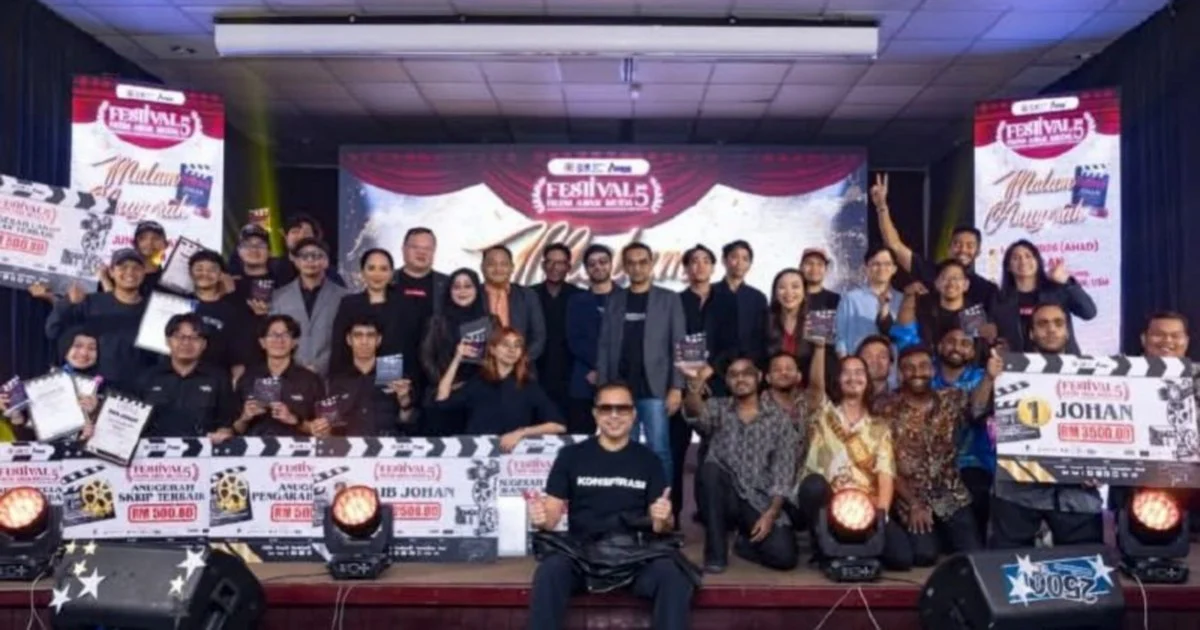
The Malaysian Anti-Corruption Commission has identified the creative arts as a powerful vehicle for embedding integrity values into the consciousness of younger generations, partnering with Universiti Sains Malaysia to integrate anti-corruption messaging into the 5th Youth Film Festival in Penang. This strategic alliance reflects a broader institutional shift toward engagement strategies that resonate with audiences on emotional and artistic levels rather than relying solely on traditional compliance messaging.
The decision to work through cinema at the USM festival demonstrates recognition within enforcement agencies that young Malaysians increasingly absorb social and civic messages through digital media and storytelling rather than conventional public service announcements. By positioning the MACC within a youth-oriented creative space, the commission gains access to thousands of film enthusiasts, students, and emerging content creators who might otherwise encounter anti-corruption education only in formal school settings or workplace training modules.
The collaboration carries implications beyond simple awareness-raising. Film festivals serve as incubators for cultural narrative formation, and positioning integrity and anti-corruption as central themes can influence how emerging filmmakers—who will shape Malaysian storytelling for decades—approach these subjects in future productions. When young creators engage seriously with corruption themes through festival competitions and screenings, they develop intellectual frameworks for understanding institutional integrity that extend beyond surface-level moralising.
Penang's selection as the festival location adds regional significance. As a state with its own integrity concerns and governance challenges, the presence of anti-corruption messaging at a major cultural event signals commitment to systemic change across the country. The peninsular state has been at the centre of various political and administrative controversies, making youth-focused integrity work there particularly relevant for rebuilding institutional trust among voters aged 18 to 35, who form an increasingly influential demographic bloc.
Universiti Sains Malaysia's participation lends academic credibility to the initiative. As a research-intensive institution with strong arts and media programmes, USM can ensure that anti-corruption content meets professional filmmaking standards rather than appearing as propagandistic material. This elevation of production quality increases the likelihood that films created through the festival will circulate beyond Penang and reach national and regional audiences through digital platforms and film circuits.
The timing of this initiative reflects growing concern within Southeast Asian governance circles about youth alienation from institutional systems. Malaysian young people surveyed in recent years have expressed declining trust in public institutions, citing perception of widespread corruption and ineffective accountability mechanisms. By directly engaging this demographic through cultural channels they frequent and respect, the MACC attempts to counter the narrative that anti-corruption efforts are disconnected from contemporary Malaysian realities or youth concerns.
Film festivals also create spaces for conversations about corruption that might otherwise be considered sensitive or politically charged. Through fictional narratives and documentary formats, participants can explore themes of institutional failure, whistleblowing, and ethical leadership without triggering immediate accusations of political motivation or institutional criticism. This allows young audiences to develop critical thinking about governance issues in a relatively neutral creative environment.
The partnership potentially yields secondary benefits for the MACC's enforcement work. Engagement with film festival participants creates informal networks of informed young professionals who understand anti-corruption principles and may subsequently influence peers in their professional spheres. Someone who creates an award-winning film about institutional integrity for the youth festival may years later advocate for ethical practices in corporate, governmental, or academic environments where they eventually work.
Such creative collaborations also help reframe anti-corruption work as intellectually stimulating rather than purely prohibitive. Young people often resist messaging perceived as authoritarian or simplistic, but when integrity is explored through complex characters, moral dilemmas, and artistic interpretation, it becomes part of broader cultural conversation rather than enforcement edict. This psychological reframing can prove more durable in shaping actual behaviour than compliance training or regulatory warnings.
The MACC's initiative reflects international best practices in public integrity work. Globally, successful anti-corruption campaigns increasingly leverage entertainment, sports, arts, and youth platforms to embed ethical values before people enter workforce or political systems where corrupt practices might otherwise seem normalised. Countries like South Korea and Taiwan have built sustained anti-corruption cultures partly through sustained engagement with cultural institutions and young creators.
For Malaysian filmmakers and students, the festival provides rare opportunity to explore institutional themes with official recognition and potential funding support. This legitimisation of corruption-focused cinema may encourage more Malaysian producers to tackle these subjects seriously, gradually building a national film tradition that grapples with governance and ethics rather than treating these topics as off-limits or purely historical.
As the MACC continues expanding beyond traditional enforcement into prevention and cultural engagement, partnerships like the Youth Film Festival at USM suggest the commission recognises that sustainable integrity ultimately depends on normative shifts within society rather than merely catching and prosecuting wrongdoers. By investing in young people's creative expression around anti-corruption themes, the institution appears to be betting that today's university filmmakers will become tomorrow's opinion leaders whose artistic and intellectual work influences broader societal standards around institutional ethics and accountability.