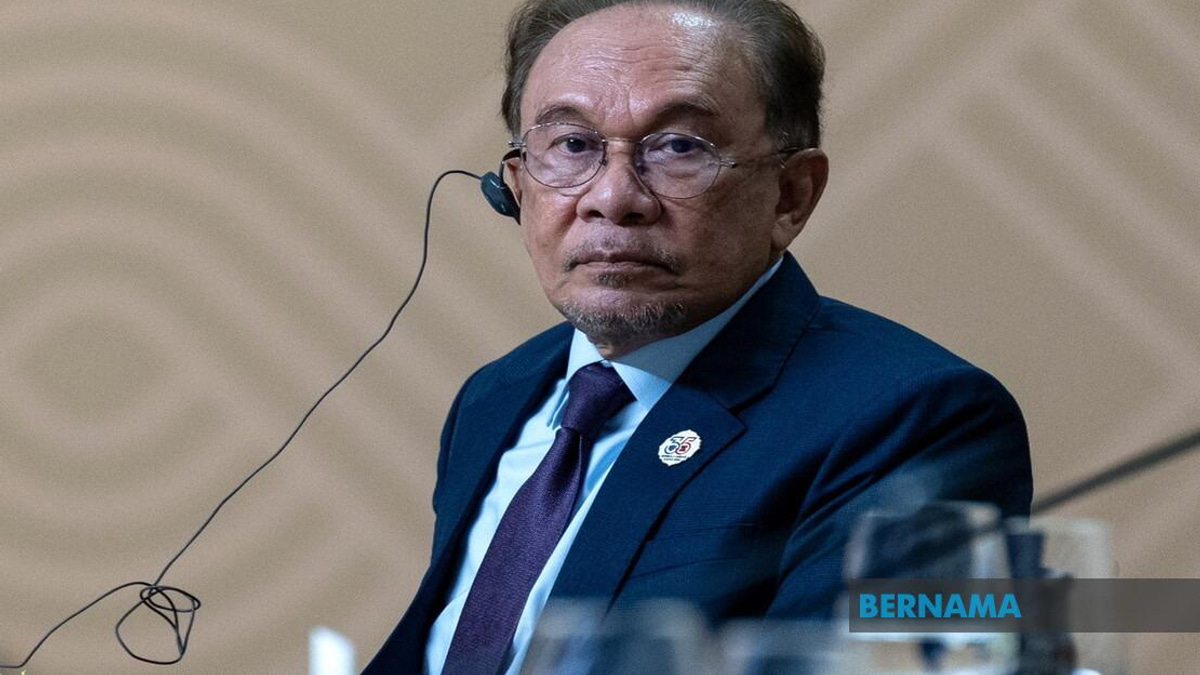
The Malaysian Artistes' Association, commonly known as Karyawan, is preparing to hand over a comprehensive set of industry reform proposals to the Prime Minister following a major convention scheduled for Sunday, June 21. The memorandum will consolidate feedback and recommendations from more than 200 musicians and music industry stakeholders gathered to discuss the state and future direction of Malaysia's creative music sector.
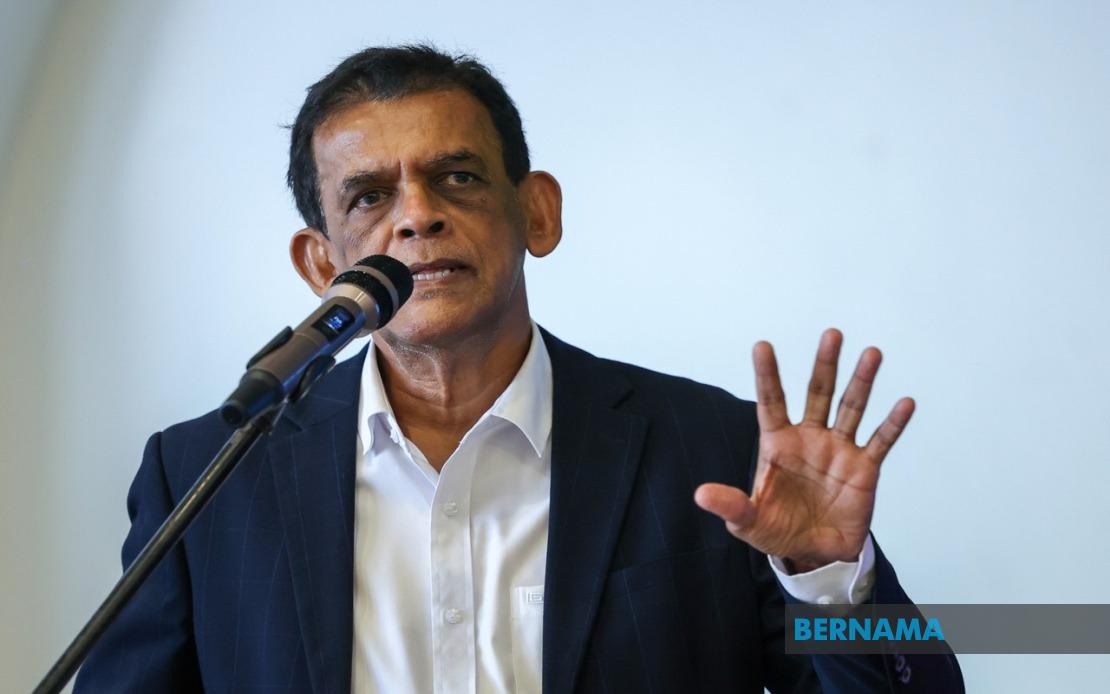
According to Karyawan president Datuk Freddie Fernandez, the convention represents a critical moment for introspection and renewal within an industry that has grappled with persistent structural challenges. Speaking at a media briefing for the event, he articulated a troubling pattern of decline and misalignment observed over two decades, prompting the association to establish a formal mechanism for presenting grievances and constructive solutions to the highest levels of government. The convention will serve as both a problem-identification forum and a platform for building consensus among diverse stakeholders about necessary reforms.
The convention, taking place at Saloma Restaurant in Kuala Lumpur, will feature a series of panel discussions led by respected figures within the music ecosystem. Joe Lee, known for his advocacy on music industry matters, composer Dr Moja Salim, and Para Rajagopal, managing director of Live Nation, will guide conversations on critical issues affecting practitioners and the broader sector. By convening academics, industry professionals, and activists in a structured dialogue, Karyawan aims to move beyond isolated complaints toward evidence-based policy recommendations.
Among the foremost concerns to be addressed in the forthcoming memorandum is the long-troubled royalty distribution system. Data presented by Fernandez reveals a stark imbalance in how revenue flows through the industry's value chain. Between 2002 and 2017, record companies collected approximately RM700 million from various sources, yet only about RM20 million found its way to artists' bodies for distribution to individual musicians. This substantial discrepancy, which has persisted for nearly two decades, underscores systemic inefficiencies or inequitable arrangements that directly harm musicians' livelihoods and creative incentives.
The rise of artificial intelligence presents both opportunities and existential risks for music practitioners, and Karyawan recognises that industry consensus on appropriate safeguards and frameworks is urgent. Fernandez emphasised that guidelines governing AI deployment must balance innovation with the protection of artists' interests, intellectual property, and earning potential. As technologies capable of generating, modifying, and synthesising music become increasingly accessible, Malaysia's music sector requires clear, sector-wide principles developed collaboratively between technologists, creators, and policymakers.
Career pathway development emerged as another critical area warranting formal attention. Fernandez noted that the industry currently lacks transparent, organised mechanisms for nurturing emerging talent and guiding young musicians toward sustainable careers. The absence of structured information about industry opportunities, educational pathways, and professional development leaves many aspiring musicians without clear direction. A more systematic approach to talent cultivation would strengthen the sector's competitive position and create economic opportunities for creative professionals.
The Karyawan memorandum will also explore the necessity of formal legislative and regulatory frameworks to govern industry operations. While Malaysia has various cultural and entertainment policies, music practitioners may benefit from more explicit statutory protections and standards. Proposals may include industry laws that establish baseline protections for artists, standardised contractual practices, and regulatory mechanisms to oversee revenue distribution and licensing arrangements.
Expanded government and institutional support for artists constitutes another dimension of the anticipated reform package. Beyond regulatory changes, musicians require concrete assistance—whether through grants, subsidised education, healthcare provisions, or tax incentives—to establish viable careers. Regional and global competitors increasingly recognise music as a strategic cultural and economic asset, investing accordingly in their creative workforces. Malaysia's capacity to nurture world-class musicians depends partly on whether systemic support structures are commensurate with international standards.
The timing of this initiative reflects broader regional trends in how Southeast Asian countries are repositioning creative industries within their economies. Singapore, Thailand, and Indonesia have implemented targeted policies to elevate their music sectors internationally, recognising that cultural influence translates into soft power and economic value. Malaysia's music industry, with considerable historical richness and contemporary talent, risks falling behind without deliberate strategic intervention.
Fernandez indicated that the memorandum will be finalised approximately one week after the convention concludes, allowing time for organisers to synthesise discussions and refine recommendations into actionable proposals. By presenting these resolutions to the Prime Minister's office, Karyawan seeks to elevate music industry issues to the level of national policy consideration, moving beyond the sector's traditional operating boundaries.
The convention's success will ultimately depend on whether the assembled stakeholders can forge genuine consensus around shared priorities, despite potentially divergent interests. Record labels, artists, distributors, and other intermediaries sometimes hold conflicting positions on revenue allocation and regulation. Karyawan's challenge will be articulating proposals that address musician welfare while remaining realistic about industry economics and international competitive dynamics.
For Malaysia's broader creative economy, the outcomes of this convention and the subsequent government response carry significance extending beyond the music sector itself. How policymakers engage with formal industry advocacy on intellectual property, AI governance, and artist support will set precedents applicable to film, visual arts, and other creative fields. Whether these efforts result in substantive policy change or remain largely symbolic will shape the sector's trajectory for years to come.