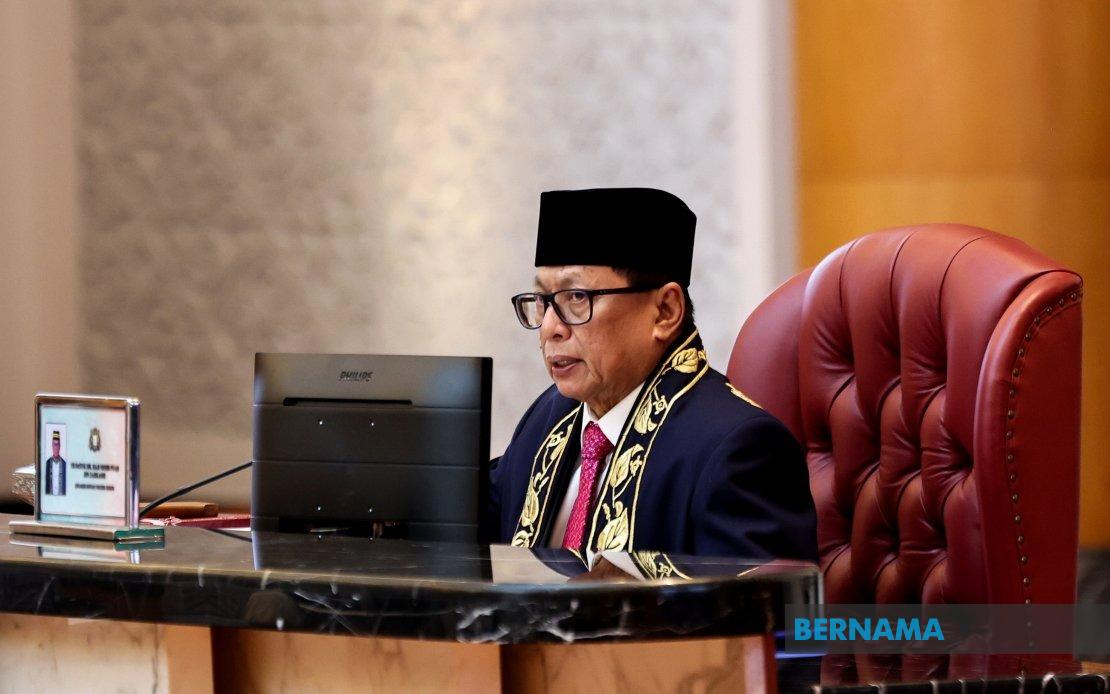
Datuk Dr Mohd Puad Zarkashi, the incumbent assemblyman for Rengit and speaker of the Johor State Legislative Assembly, has formally announced his withdrawal from the upcoming state election scheduled for July 11. The decision, made public on June 17 through a Facebook statement, represents a significant development in Johor's political landscape as the state prepares for a fresh mandate under the leadership of Johor UMNO.
The 69-year-old legislator revealed that he had deliberated on this matter for an entire year before informing UMNO leadership of his intentions. He first communicated his decision to UMNO president Datuk Seri Dr Ahmad Zahid Hamidi and subsequently to Johor UMNO chairman Datuk Onn Hafiz Ghazi approximately two weeks before making the public announcement. This measured approach reflects the significance of his decision within party structures and demonstrates respect for hierarchical decision-making processes within UMNO's organisational framework.
Mohd Puad articulated a principled rationale for stepping back from electoral competition. At 69 years of age, he reasoned that contesting another five-year term would mean serving until age 74, a timeline he deemed inappropriate for undertaking the responsibilities of a state assemblyman. His articulation of this concern speaks to a broader generational transition occurring within Malaysian politics, where considerations of age and capacity for sustained service are becoming more prominent in public discourse. This stance aligns with contemporary thinking about succession planning and the importance of creating pathways for fresh leadership across institutional hierarchies.
Crucially, Mohd Puad has not simply withdrawn from politics but has framed his departure as an opportunity to facilitate younger talent. He advocated strongly for candidates aged 50 and below to be given priority in contesting state seats, signalling his belief that a demographic shift towards younger representatives could invigorate the political process. His explicit backing of Onn Hafiz's leadership of a rejuvenated team underscores party unity and suggests coordinated effort in renewing UMNO's candidate slate across Johor. This approach carries implications for how the party positions itself in competition with other political organisations, particularly in garnering support from younger voters who may be attracted by generational change.
Beyond his withdrawal, Mohd Puad has contributed substantive recommendations regarding the criteria for selecting future candidates. He has proposed that UMNO prioritise educational qualifications, moral character, genuine commitment to the party's principles, and comprehension of national development trajectories. These criteria reflect a preference for merit-based selection processes and suggest concern about maintaining standards within the political ranks. Such framework-setting by an outgoing legislator demonstrates his continued engagement with party matters and offers guidance for the selection committees tasked with identifying replacement candidates across constituencies.
Mohd Puad's tenure in Rengit demonstrates the constituency's competitive nature within Johor's broader political context. In the 2022 state election, he secured victory with a margin of 1,920 votes, a relatively narrow victory that underscores Rengit's status as a contested seat rather than a safe stronghold. This relatively modest winning margin suggests that the party selection for his successor will carry considerable strategic weight, as the new candidate will need to consolidate and expand upon this base to retain the seat. The competitiveness of the constituency adds urgency to UMNO's need to identify a capable replacement who can mobilise voter support effectively.
The electoral calendar has now entered a critical phase, with nomination day set for June 27, providing political parties and their machinery approximately ten days to finalise candidate selection and begin campaign preparations. This compressed timeline requires expedited decision-making across party structures, and Mohd Puad's early announcement allows his party to plan successional arrangements without the complications of late-stage withdrawals or contested nominations. The July 11 polling date itself represents a significant democratic exercise for Johor, where voters will render judgment on the state government's performance and chart the state's political direction for the subsequent five-year term.
Mohd Puad has indicated his intention to conclude outstanding matters requiring his attention before the nomination deadline passes. This responsible approach ensures that constituent concerns are addressed and administrative obligations fulfilled before he transitions out of his representative role. Additionally, he has expressed appreciation to Rengit residents who have supported his tenure and offered gratitude to His Majesty Sultan Ibrahim, King of Malaysia, for the royal consent granted for his appointment as Johor speaker. Such acknowledgments reflect the ceremonial and constitutional significance of his position and maintain appropriate deference to constitutional authorities.
The implications of Mohd Puad's withdrawal extend beyond the Rengit seat itself, carrying broader significance for Johor UMNO's strategic positioning heading into the election. His advocacy for generational renewal and merit-based candidate selection may influence how the party approaches nominations across multiple constituencies, potentially triggering similar retirement announcements from other ageing incumbents. This developmental pattern could reshape Johor's legislative composition and signal a shift within UMNO towards more deliberate succession management, a capability that could enhance the party's long-term competitive position in an increasingly demanding political environment. For Malaysian voters and observers, the election will reveal whether the infusion of younger candidates translates into measurable policy changes or improved governance outcomes.