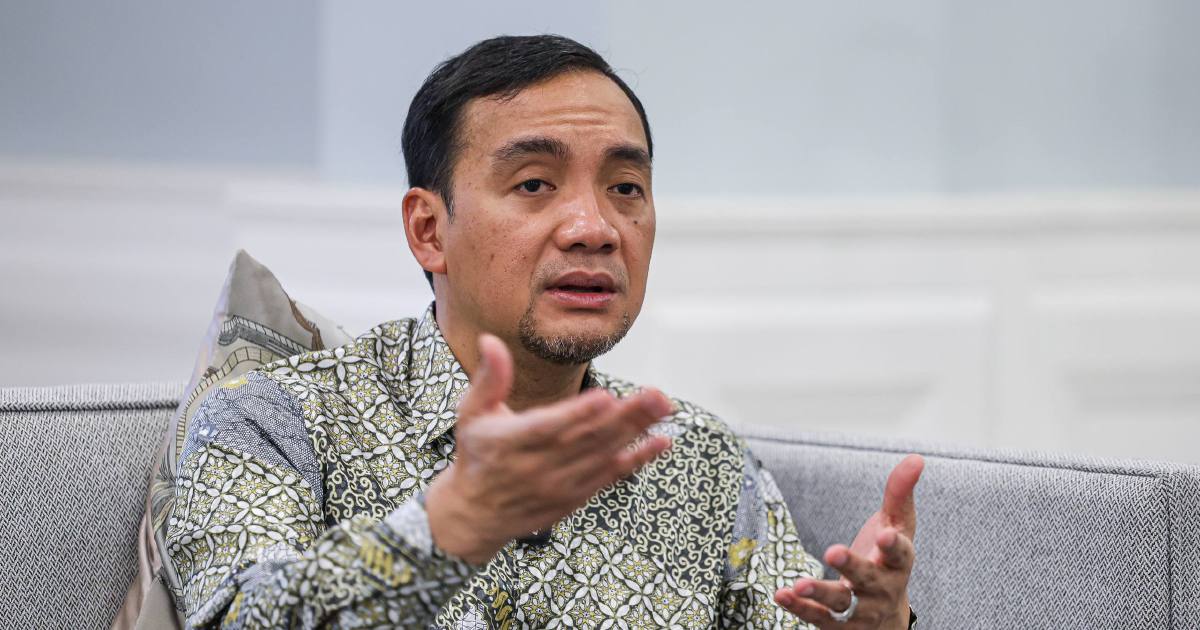
The palace establishment in Johor is taking an active stance on the tenor of political discourse as the state heads toward elections, with the monarchy weighing in against the increasingly acrimonious nature of campaign periods. According to Johor Barisan Nasional chairman Datuk Onn Hafiz Ghazi, both His Majesty Sultan Ibrahim, the King of Malaysia, and Tunku Mahkota Ismail, the Regent of Johor, have issued cautions to the political fraternity urging them to refrain from personal attacks and uncivil behaviour during the campaign.
The intervention by Johor's top royal figures reflects a broader concern within the institution about the direction campaign discourse has taken in recent years. Malaysian politics has witnessed intensifying personalisation of attacks, with candidates and party leaders frequently resorting to character assassination and inflammatory rhetoric rather than substantive policy debate. The palace statement, conveyed through Onn Hafiz, suggests that the monarchy views such conduct as unbecoming and potentially damaging to the social fabric of the state.
For Malaysian and regional observers, the palace intervention carries significant weight given the constitutional role the monarchy plays in the Malaysian system. Unlike purely ceremonial monarchies, the institution in Malaysia—and particularly in Johor, one of the strongest sultanates—commands respect and carries moral authority on matters of national and state importance. When Sultan Ibrahim and Tunku Mahkota Ismail speak, their words carry implications that extend beyond mere suggestion; they represent institutional expectations about acceptable political behaviour.
The timing of this call for civility is particularly instructive. State elections in Johor would typically generate heightened political activity and competition, with various parties mobilising supporters and escalating their campaign rhetoric. The palace appears to be attempting to establish guardrails before such conduct spirals into the kind of vitriolic exchanges that have marked recent electoral contests elsewhere in Malaysia. This proactive approach suggests palace officials may have observed trends in campaign messaging that prompted the caution.
The statement by Onn Hafiz, himself a Barisan Nasional figure and serving as Johor menteri besar, carries its own interpretive nuance. As the spokesperson conveying the palace message, he becomes the channel through which royal expectations reach the broader political community. This arrangement allows the palace to maintain institutional distance while still communicating its position clearly. For ruling coalition politicians like Onn Hafiz, the message presumably offers guidance to their own ranks about acceptable campaign conduct.
Personal attacks during campaigns have become increasingly prevalent across Malaysian politics, particularly in social media environments where unmoderated discourse flourishes. The palace's concern likely extends to how campaign activities translate to digital spaces, where rhetoric often becomes more extreme than in formal campaign forums. Politicians and supporters frequently engage in character attacks, spreading unverified claims, and questioning opponents' integrity in ways that contribute to political polarisation and erosion of democratic norms.
The palace emphasis on civility also reflects perhaps a concern about the broader social consequences of uncivil campaigns. Electoral contests that devolve into personal attacks can exacerbate communal tensions, particularly in a diverse society like Malaysia where politics frequently intersects with ethnic and religious identity. When campaigns become denuded of substantive policy content and filled instead with personal vilification, they risk triggering social divisions that extend far beyond the electoral period.
Onn Hafiz's role in relaying this message may also signal something about palace-government relations in Johor. The Barisan Nasional chairman is evidently positioned as trusted enough to receive and communicate royal guidance. This suggests a continuing alignment between the state government and palace institution, even as electoral competition intensifies. For opposition parties, the palace statement nonetheless applies equally—the caution about personal attacks and uncivil behaviour is directed at the entire political spectrum, not exclusively at the ruling coalition.
The palace intervention comes at a moment when Malaysian politics broadly is grappling with questions about democratic standards and political conduct. Recent years have seen intense contests that have tested the boundaries of acceptable campaign behaviour, and various stakeholders have expressed concern about the direction of discourse. The monarchy's insertion into this conversation, even indirectly through palace statements, reflects recognition that institutional actors have a role to play in establishing and maintaining norms.
For voters in Johor and observers across Southeast Asia, the palace statement encapsulates a tension inherent in electoral politics: the desire for vigorous competition must somehow coexist with maintenance of civility and respect for democratic institutions. The palace appears to be arguing that these objectives need not be mutually exclusive—that politicians can contest vigorously for power without resorting to personal attacks or behaviour that degrades public discourse.
Looking ahead, the practical impact of the palace caution remains to be seen. Campaign behaviour is ultimately shaped by strategic calculations politicians make about what will galvanise their supporters and damage their opponents. The palace message establishes a clear institutional preference for civility, but enforcement mechanisms remain unclear. Nevertheless, the willingness of Johor's royal leadership to speak publicly on the matter signals that standards of political conduct remain a priority for the institution.