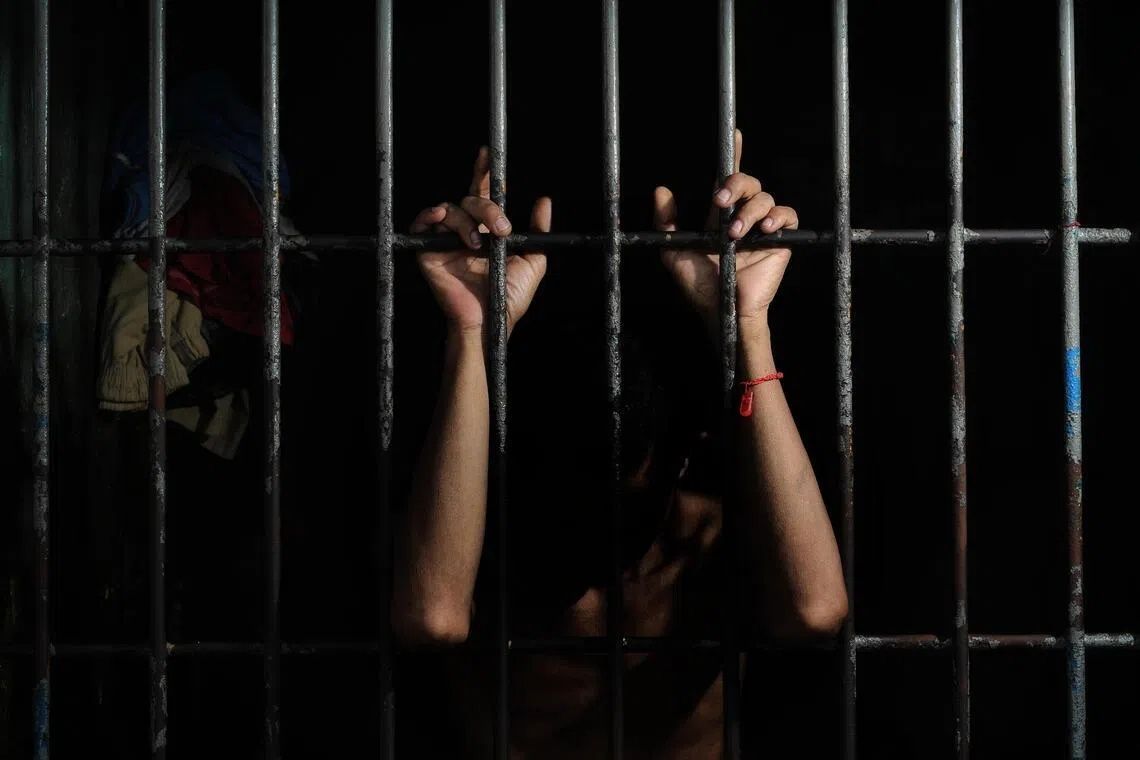
The mother of a 16-year-old girl who starved to death months after her release from police detention has launched legal action against the Japanese state, highlighting the continuing human toll of a criminal justice system long criticized for pressuring suspects into confessions. Filed at Kobe District Court on 17 June, the lawsuit represents another challenge to Japan's controversial detention practices, which rights groups have termed "hostage justice" — a system where authorities allegedly hold suspects in custody until they confess, regardless of actual guilt.
The girl, identified only as Runa in court documents, worked at a care facility for people with disabilities in Hyogo region when she was arrested in June of the previous year on suspicion of assaulting a resident during a Valentine's Day celebration. According to the complaint, Runa consistently maintained her innocence, explaining that she had only pressed her hand gently against the resident's chin to prevent them from biting another person. Despite this straightforward account and her protestations, Japanese authorities subjected her to 18 consecutive days of custody before ultimately deciding to drop all charges without prosecution.
The physical and psychological deterioration Runa experienced during and after this ordeal proved catastrophic. Throughout her 18-day detention, she was denied contact with her family, isolated from the outside world save for limited communication with her legal representatives, and subjected to repeated interrogations designed to extract a confession. According to her lawyer Masahiro Sasaki, investigators employed psychological manipulation tactics, repeatedly suggesting her guilt and threatening her with reformatory placement if she did not admit wrongdoing. One interrogator allegedly told the girl, "You did it, weren't you? Just tell the truth," as documented in a journal Runa kept while imprisoned. She was also warned that refusal to confess would prevent her from seeing her mother again.
The psychological impact of this experience proved devastating. Within five months of her release, Runa had lost so much weight that she was unrecognisable to her own mother, dropping to just 20 kilograms. Medical assessments conducted after her detention documented acute stress disorder, eating disorder, and post-traumatic stress disorder — conditions directly traceable to her time in custody. By December, approximately seven months after her release, Runa died. The mother's statement to press revealed the profound anguish of her loss: "My daughter was unrecognisable when she died. I want to know what happened to her, and why she was arrested, detained and had to die."
The lawsuit seeking 100 million yen in compensation emphasises the fundamental injustice of Runa's detention. Lawyer Sasaki argues that the charges themselves — relating to what he characterizes as an "extremely trifling" incident — never warranted the severity of her arrest and extended detention. More significantly, given her age, the complete absence of prior delinquency, and her stable family situation under parental supervision, there existed no legitimate grounds for authorities to suspect she would flee or destroy evidence. Yet despite these factors, prosecutors petitioned twice for extension of her detention while simultaneously blocking her lawyer's requests to a judge for her release. Only after Runa vomited, collapsed, and received emergency medical treatment at an outside hospital did authorities relent, releasing her on grounds of non-prosecution.
Runa's case illuminates a systemic problem long documented by international human rights organizations and legal scholars. Japan's criminal justice framework has historically presumed guilt rather than innocence, with confession serving as the evidentiary centerpiece in prosecution. Suspects who exercise their right to remain silent or maintain their innocence frequently face extended pre-trial detention as a form of coercive pressure. This dynamic creates a perverse incentive structure: innocent individuals detained without charge may confess to crimes they did not commit simply to escape the psychological and physical torment of custody. The term "hostage justice" emerged specifically to describe this mechanism, wherein the state effectively holds suspects hostage until they capitulate to interrogation demands.
The conditions Runa endured during her 18-day detention exemplify this pattern. Isolation from family, denial of basic support systems, and intensive interrogation designed to wear down psychological resistance are standard features of this approach. For a vulnerable teenager, these experiences proved not merely traumatic but ultimately fatal. The collateral damage to her physical health — the extreme weight loss and eating disorder that claimed her life — represents only the most tragic manifestation of the broader damage inflicted by the system.
International legal bodies and human rights monitors have repeatedly condemned Japan's detention practices. The case of Iwao Hakamada provides a sobering precedent: once recognised as the world's longest-serving death-row inmate, Hakamada's convictions were overturned in 2024 after the Supreme Court determined that his confessions had been extracted through what the court explicitly termed "inhumane" interrogations. The Court's acknowledgment of this reality — that Japanese authorities had employed inhumane methods to secure confessions — underscores how deeply entrenched and systematic these practices have become.
Runa's mother's lawsuit represents more than a family's quest for financial redress; it constitutes a direct challenge to the legitimacy of a criminal justice system that permits such outcomes. The complaint questions not only the specific decisions made in Runa's case but the broader legal framework that enabled authorities to detain an innocent teenager on tenuous grounds, deny her family contact, and subject her to psychological manipulation without accountability. The Kobe District Public Prosecutors Office, when contacted by international news agencies, declined to offer substantive comment, stating only that they had not yet formally received the complaint.
For observers across Southeast Asia and globally, Runa's story serves as a cautionary tale about the dangers of criminal justice systems that prioritize confession extraction over evidence-based investigation and that treat detention as a tool for coercion rather than a protective measure applied only when strictly necessary. Japan's experience suggests that even wealthy, developed democracies can harbour practices fundamentally at odds with international human rights standards. As Runa's mother pursues justice through the courts, her case may ultimately force a broader reckoning with whether Japan's criminal justice system requires fundamental reform to prevent future tragedies.