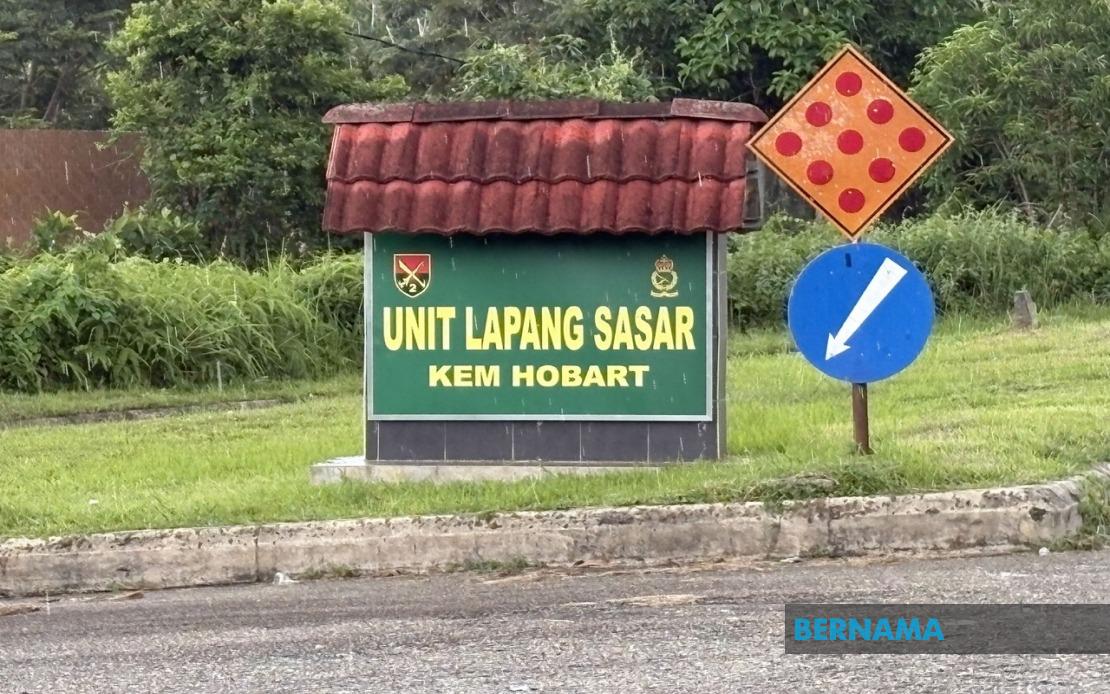
A fatal explosion at Hobart Camp in Gurun has claimed the lives of two Malaysian Army personnel participating in a routine combat training exercise, prompting authorities to launch a comprehensive investigation with support from multiple agencies and witness testimonies. The incident occurred during a grenade-throwing drill conducted by the First Squadron of the Royal Malaysian Engineers Regiment as part of the Combat Enhancement Training programme for the Second Infantry Division, marking a rare tragedy in what should have been a controlled military operation.
Kuala Muda police chief ACP Hanyan Ramlan confirmed that the police department has classified the matter as a sudden death report investigation, a standard procedure when deaths occur under non-routine circumstances. He emphasized that securing witness accounts will be central to understanding the sequence of events that led to the explosion and subsequent fatalities. The police plan to interview all personnel who were present at the training ground during the exercise, as their observations may provide critical details about equipment malfunction, procedural deviation, or other contributing factors.
The two victims have been identified as Corporal Norazmi Abu Bakar, serving with the Sixth Battalion of the Royal Malay Regiment, and Private Siti Khadijah Sungip, attached to the First Squadron of the Royal Malaysian Engineers Regiment. Both sustained severe injuries from the blast at approximately 10.57 am on June 16. They were immediately evacuated to the Sultan Abdul Halim Hospital in Sungai Petani for emergency treatment, but tragically succumbed to their injuries while being transported, highlighting the severity of the explosion and the difficulty in saving lives following such traumatic incidents.
Grenade-throwing exercises represent a significant component of infantry training programmes worldwide, designed to develop soldiers' combat capabilities and familiarity with explosive ordnance. These drills are typically conducted under strict safety protocols, with multiple layers of supervision, designated safe zones, and emergency medical personnel stationed nearby. The occurrence of fatalities during such a controlled environment raises questions about whether safety procedures were fully implemented or whether an unforeseen technical failure compromised the exercise's integrity.
Following the incident, the remains of both victims were transferred to Sultanah Bahiyah Hospital in Alor Setar for post-mortem examinations. These forensic investigations will likely examine whether the explosion resulted from premature detonation of a grenade, a defective ordnance item, or human error in handling procedures. The findings will be crucial for determining whether systemic issues exist within the training programme or whether this represents an isolated, unavoidable accident.
For the Malaysian military, this incident represents a sobering reminder of the inherent risks associated with weapons training, despite rigorous safety measures. The Royal Malaysian Engineers Regiment and the Royal Malay Regiment both maintain professional standards in their operations, yet the unpredictable nature of explosive devices means that tragic incidents can occur even in controlled settings. This event will likely prompt a comprehensive review of safety protocols across all training facilities in the Second Infantry Division and potentially throughout the broader Malaysian Armed Forces.
The investigation being undertaken by Kuala Muda police will operate alongside military investigators who will examine internal factors specific to the training protocol and equipment used. This dual-track approach is standard in military deaths, ensuring both civilian law enforcement and military authorities can satisfy their respective jurisdictional requirements. The cooperation between police and military investigators will be essential in developing a complete understanding of the incident.
Witness statements will form the evidentiary foundation of the investigation, as individuals present at the scene can describe the visible conditions before the explosion, observe the precise moment of the blast, and identify any irregularities in procedure or equipment that preceded the fatality. Officers from the police forensic team will also conduct a detailed examination of the training site, collecting physical evidence including remnants of the ordnance, safety equipment, and environmental factors that may have contributed to the accident.
For military personnel and their families, incidents of this nature create profound emotional impact within unit cohesion and institutional trust. The loss of serving soldiers during training exercises raises difficult questions about risk management and the balance between effective military preparation and personnel safety. Both the Defence Ministry and military leadership will face pressure to demonstrate that comprehensive measures have been implemented to prevent similar occurrences.
The Malaysian public may also scrutinize whether adequate oversight exists within military training programmes, particularly concerning the sourcing and quality control of ordnance materials and the adequacy of training infrastructure. International military standards emphasize that training-related fatalities, while rare, demand transparent investigation and corrective action. This incident will likely be closely monitored by defence authorities across Southeast Asia, as training safety represents a universal concern within regional militaries managing similar exercises.
As the investigation progresses, authorities will prioritize establishing a definitive cause while simultaneously reassuring military personnel and the public that appropriate safeguards are in place for future training operations. The families of Corporal Norazmi Abu Bakar and Private Siti Khadijah Sungip will await the investigation's findings, which may provide some measure of understanding regarding the circumstances that claimed their relatives' lives during what was intended to be routine military preparation.