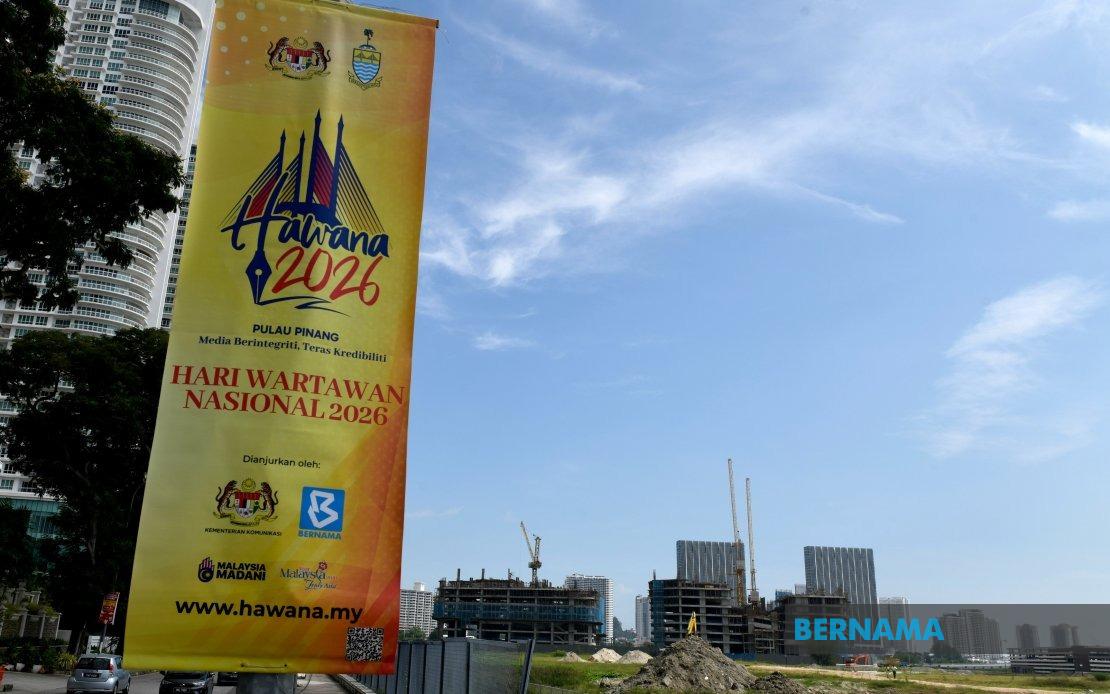
Penang has been selected to host the 2026 National Journalists' Day (HAWANA) celebration, a milestone that officials believe will significantly enhance the state's tourism appeal and creative economy. The three-day event, scheduled for June 19-21 at the PICCA Convention Centre @ Butterworth Arena, represents a major opportunity for Penang to demonstrate its capacity to host large-scale international events while simultaneously promoting its distinctive cultural attractions and economic strengths to a regional audience.
The choice of Penang as the inaugural host reflects growing confidence in the state's infrastructure and established reputation as a premier Malaysian tourism destination. State Tourism and Creative Economy Committee chairman Wong Hon Wai emphasized that the event recognises Penang's proven ability to manage complex gatherings and its strategic importance within the broader Southeast Asian tourism landscape. This recognition comes at a time when Malaysian states are actively competing to attract international visitors and investment, making the HAWANA platform particularly valuable for destination marketing.
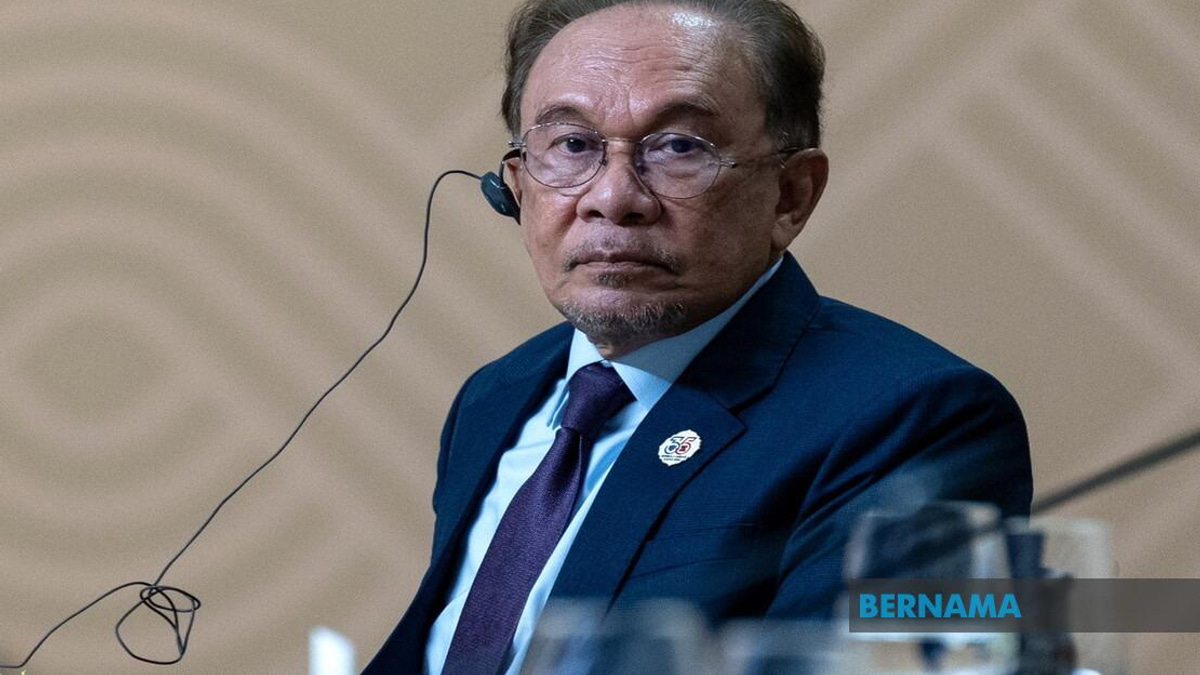
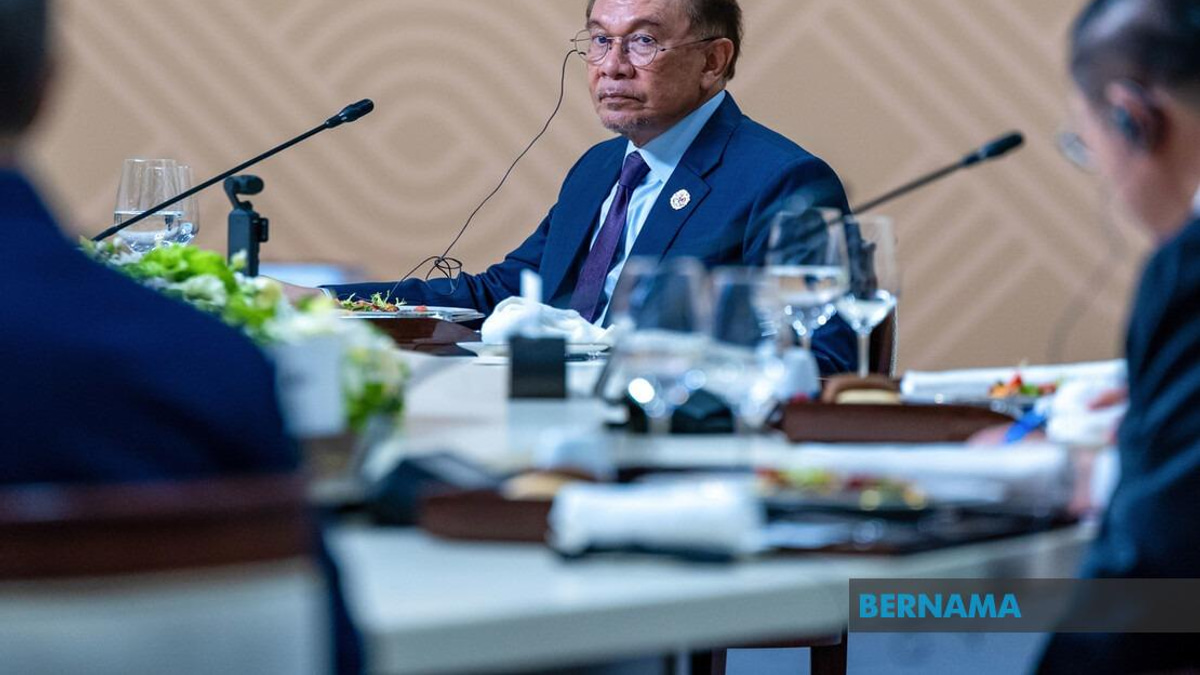
The primary HAWANA celebration will be officiated by Prime Minister Datuk Seri Anwar Ibrahim on June 20, bringing together approximately 1,000 media practitioners from across Malaysia and international visitors. The event, themed 'Media Integrity Strengthens Credibility', has been organised by the Ministry of Communications and executed by Bernama, Malaysia's national news agency, to recognise the contributions of local journalists. This official prestige will amplify Penang's visibility among influential media figures whose coverage can shape tourism perceptions across the region.
Beyond the formal conference proceedings, organisers anticipate substantial economic spinoffs through increased visitor spending and accommodation demand. Wong noted that tourism operators have already reported strong hotel bookings, with Seberang Perai offering sufficient lodging capacity for the expected influx. The presence of thousands of visitors and media personnel will create direct demand across the hospitality sector, including hotels, restaurants and food services, transportation services, retail establishments, and local attractions, generating multiplier effects throughout the local economy.
Parallel to the journalists' gathering, the RIUH Pi HAWANA Carnival will operate across all three days as a free-admission public event. Organisers anticipate approximately 30,000 visitors to this component, which serves as a significant platform for local creative industries and small businesses. The carnival will showcase more than 24 local creative brands alongside 20 food vendors, offering Penang entrepreneurs direct access to a captive audience that includes both tourists and media professionals whose recommendations carry particular weight in driving future visitation.
The entertainment programme reflects Penang's vibrant contemporary music and performance scene, with 16 live stage performances featuring established local acts including Exists, Bunkface, Masdo, Sakura Band, Budak Nakal Hujung Simpang, and Chelsea Ng. These performances not only provide cultural content that enriches the visitor experience but also create opportunities for live recording and media coverage that can extend the event's reach far beyond those physically present. For local artists, such exposure through professional media channels provides invaluable promotional benefits that support career development within Malaysia's creative sectors.
Wong stressed the critical role media institutions play in amplifying tourism destinations and fostering creative economy growth. Accurate and compelling media coverage effectively markets tourism products, builds visitor confidence, and establishes narratives about destinations that influence travel decisions. In the creative economy context, media outlets function as crucial platforms highlighting local talent, artistic innovation, and cultural products that might otherwise remain invisible to potential customers and investors. This symbiotic relationship between media and creative sectors underscores why HAWANA represents more than a professional gathering for journalists.
The state government's positioning of HAWANA reflects a sophisticated understanding of soft power economics, where cultural events and media engagement directly translate into tourism revenue and international brand recognition. For Penang specifically, hosting HAWANA provides an opportunity to reinforce its identity as Malaysia's creative hub and a destination that values both cultural authenticity and contemporary artistic expression. The event demonstrates how strategic use of media platforms can amplify regional competitive advantages in increasingly crowded tourism markets.
For Malaysia more broadly, HAWANA 2026 represents an investment in strengthening media professionalism across Southeast Asia. By convening journalists from Malaysia and neighbouring countries, the event facilitates knowledge exchange, establishes professional networks, and reinforces shared commitments to media integrity and credibility. Such regional cooperation becomes increasingly important as media landscapes evolve and journalists face common challenges in maintaining editorial standards amid digital disruption and information fragmentation.
The economic projections accompanying HAWANA extend beyond immediate spending during the three-day event. Media coverage generated before, during, and after the celebration creates ongoing promotional value for Penang's tourism and creative sectors. International media practitioners attending the event will carry impressions and stories about Penang back to their home countries and newsrooms, potentially influencing editorial coverage and consumer perceptions for months or years following the event. This long-tail marketing benefit often exceeds the immediate financial impact of visitor spending.
Penang's selection as HAWANA's first regional host also positions the state as a leader within Malaysia's competitive tourism and creative economy landscape. Other Malaysian destinations will likely view this success as a benchmark, potentially stimulating increased investment in event infrastructure and creative sector development statewide. The event serves as validation that Penang possesses the necessary qualities—world-class facilities, diverse attractions, vibrant creative community, and professional event management capacity—to succeed on regional and international stages.
Looking forward, the success of HAWANA 2026 could establish a template for how Malaysian states leverage media events to drive tourism and economic growth. The three-day structure combining professional programming with public carnival components offers multiple engagement points for different audiences, maximising reach and impact. If executed successfully, this model may inspire similar initiatives throughout Malaysia and the broader ASEAN region, contributing to a culture where media engagement and creative sector promotion become integrated components of destination marketing strategies rather than peripheral activities.