%22%2F%3E%3C%2Fpattern%3E%3C%2Fdefs%3E%3Crect%20width%3D%22100%25%22%20height%3D%22100%25%22%20fill%3D%22url(%23ph4536mg)%22%2F%3E%3Crect%20width%3D%22100%25%22%20height%3D%22100%25%22%20fill%3D%22url(%23ph4536mp)%22%2F%3E%3Ctext%20x%3D%2250%25%22%20y%3D%2250%25%22%20text-anchor%3D%22middle%22%20dominant-baseline%3D%22central%22%20fill%3D%22rgba(255%2C255%2C255%2C0.95)%22%20font-family%3D%22Georgia%2C%20'Times%20New%20Roman'%2C%20serif%22%20font-weight%3D%22700%22%20font-size%3D%22226%22%20letter-spacing%3D%22-0.02em%22%3EHAWANA%3C%2Ftext%3E%3C%2Fsvg%3E)
Malaysia's National Journalists' Day celebration will see the launch of a specially curated merchandise collection designed to commemorate the 2026 festivities in Penang. The exclusive items, available for purchase during the main event on June 20 at PICCA@ Arena Butterworth Convention Centre, represent a tangible way for attendees to take home memories of what organisers are positioning as a significant gathering for the nation's media community.
The limited-edition collection encompasses three apparel options, each bearing the official HAWANA 2026 identity and logo. A bomber jacket priced at RM59 serves as the premium item in the lineup, whilst a collared T-shirt retails for RM37 and a round-neck version costs RM30. These price points suggest the merchandise is designed to be accessible to a broad spectrum of attendees whilst maintaining a commemorative quality befitting the occasion.
According to the HAWANA 2026 Secretariat, the merchandise booth will operate throughout the event duration, though availability is explicitly limited to existing stocks. This scarcity-driven approach is typical for event merchandise, creating incentive for early purchases and adding to the collectible appeal of the pieces. The decision to emphasise "while stocks last" messaging reflects organisers' intent to generate interest and movement amongst attendees.
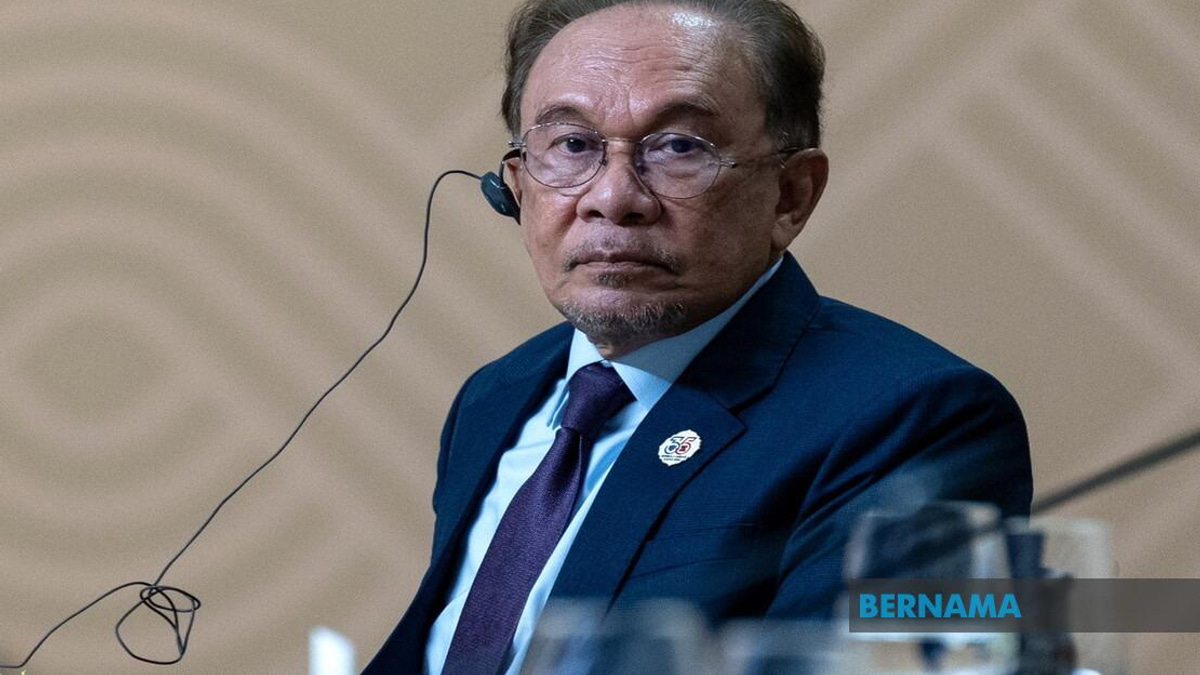
The Prime Minister Datuk Seri Anwar Ibrahim is scheduled to officiate the highlight of the HAWANA 2026 celebrations, lending significant political weight to the gathering. His presence underscores the government's commitment to recognising journalism as a profession worthy of ministerial-level attention and suggesting that media integrity remains a priority for the administration. This high-profile endorsement distinguishes HAWANA from typical industry events.
Organised under the Ministry of Communications with the Malaysian National News Agency (Bernama) as the implementing agency, HAWANA 2026 is positioned as Malaysia's largest assembly of media professionals. The overarching theme, "Media Integrity Strengthens Credibility," signals organisers' intention to focus discourse on professional standards and public trust—issues of increasing salience in an information landscape marked by misinformation and platform fragmentation. This thematic framing demonstrates an attempt to elevate conversation beyond mere celebration into substantive engagement with sectoral challenges.
Beyond the main ceremonial event, planners have expanded the celebration into a broader experiential programme through the RIUH Pi HAWANA Carnival, a three-day initiative commencing June 19. By extending programming across multiple days and incorporating creative arts elements alongside dialogue sessions, organisers are attempting to transform the celebration from an industry-focused occasion into something with broader public appeal. The carnival's emphasis on age-inclusive activities suggests an effort to engage younger audiences and potentially cultivate future interest in journalism as a profession.
For Malaysian journalists and media organisations, the event represents both a recognition of professional contributions to national development and an opportunity for networking within an increasingly fragmented sector. The explicit acknowledgment of journalism's role in national development signals governmental recognition of the profession's significance, though this framing also carries implicit expectations regarding responsible reporting and alignment with national interests—a tension that frequently characterises state-media relations in Southeast Asia.
The merchandise dimension, whilst seemingly peripheral, carries symbolic weight. Commemorative items serve to professionalise the event and create lasting physical reminders of participation. For younger journalists particularly, branded merchandise can reinforce professional identity and sense of belonging within a community. The three price-point structure also ensures accessibility regardless of attendees' economic means, promoting inclusivity within the gathering.
Regionally, Malaysia's emphasis on structured, government-supported journalism celebrations reflects broader Southeast Asian trends toward state engagement with media professionalism and institutional development. While approaches vary significantly—from Thailand's regulatory emphasis to Singapore's professional standards focus to Indonesia's more market-driven landscape—the common thread involves government recognition that media institutions require some form of support or validation. HAWANA's model, combining ceremonial recognition with professional development opportunities and public engagement, represents one approach to this broader challenge.
For attendees from outside the Klang Valley, the Penang location carries logistical implications but also symbolic significance. Decentralising the main celebration beyond Kuala Lumpur suggests organisers are attempting to project a genuinely nationwide gathering rather than a capital-centric event. This geographic choice may also facilitate attendance from journalists operating in northern Malaysian states, broadening the event's reach and representativeness across the federation's diverse media ecosystem.