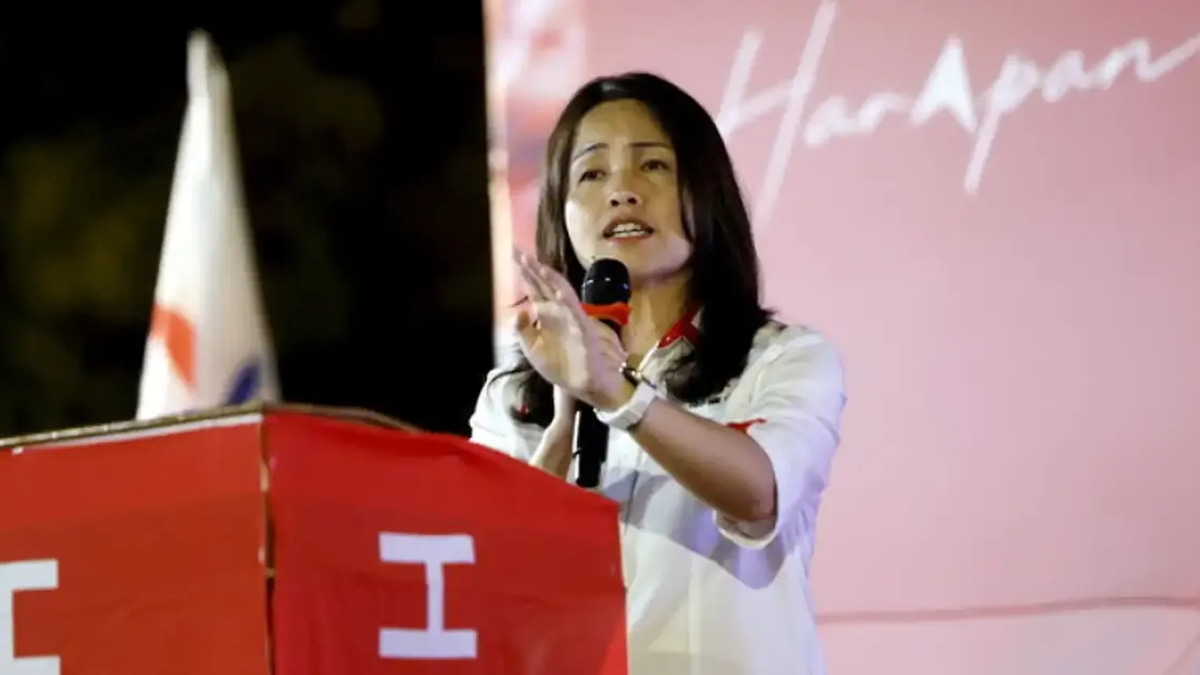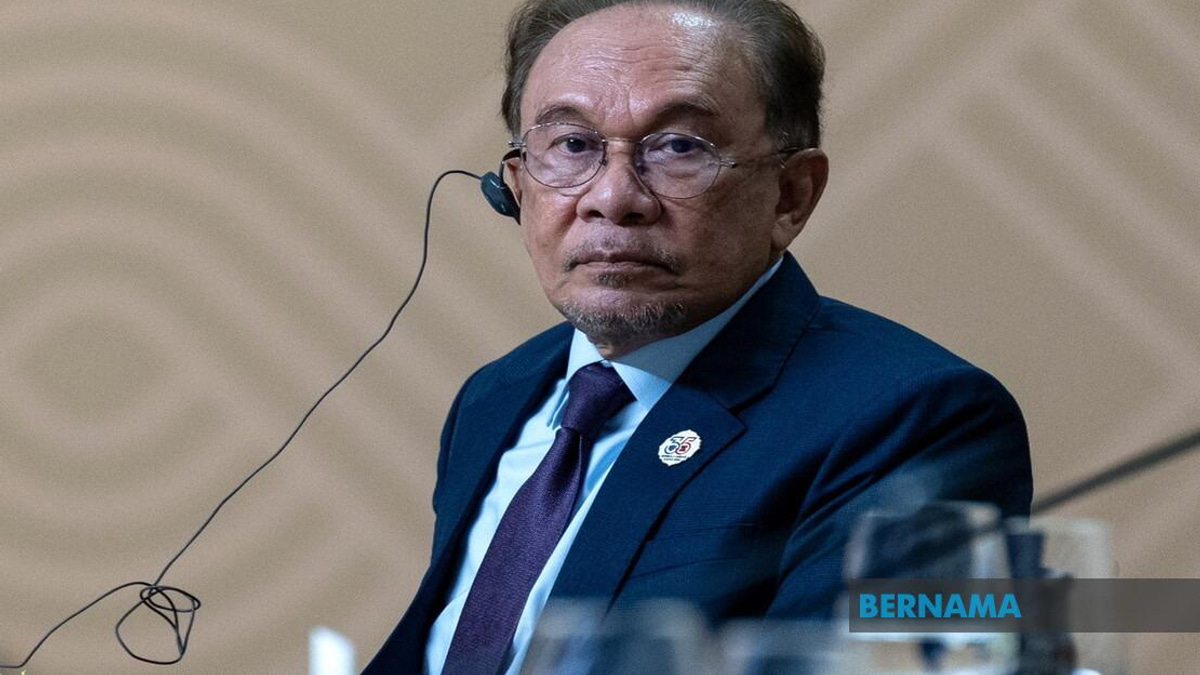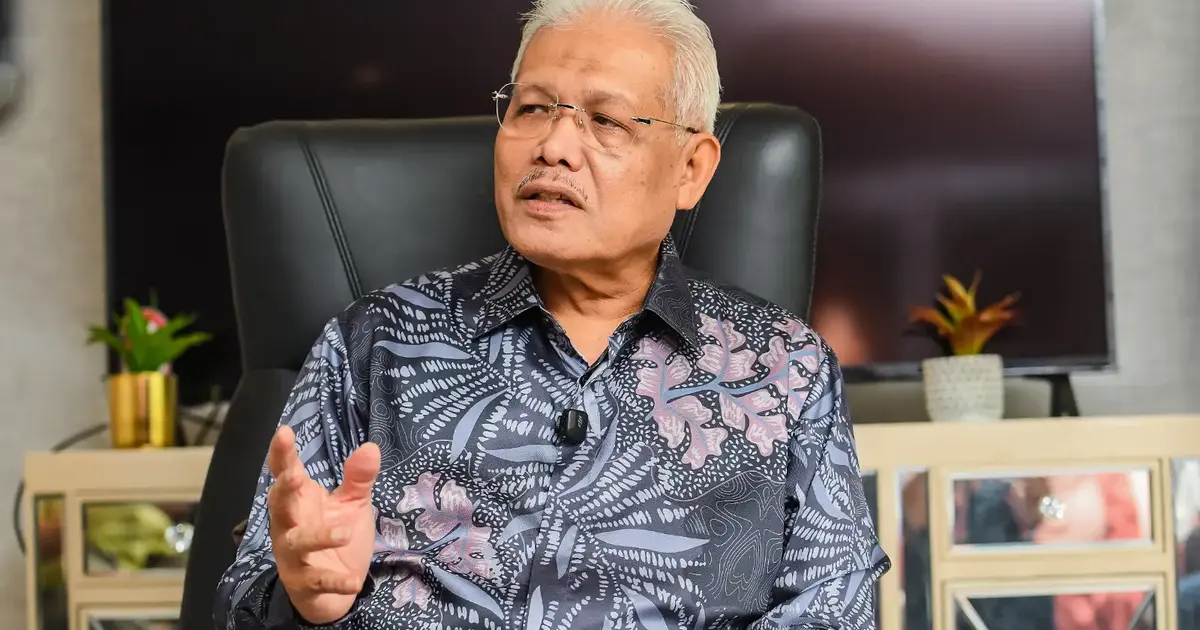
Hamzah Zaman's reemergence within Perikatan Nasional represents a calculated strategic repositioning by the PAS-led opposition alliance ahead of Malaysia's next general election, according to political analysts assessing the coalition's evolving direction and electoral prospects.
The move underscores PN's recognition that broadening its ideological base beyond religious conservatism remains essential for capturing swing voters and urban constituencies that have shown ambivalence towards the coalition in recent electoral cycles. By elevating Hamzah, whose political profile has traditionally occupied the middle ground, PAS and its allies appear intent on softening the coalition's image amongst centrist-leaning Malaysians who might otherwise gravitate towards competing political blocs.
Analysts interpret Hamzah's repositioned prominence as a deliberate counter-strategy to perceptions of ideological rigidity that have sometimes characterised PN's public messaging. His deployment as a principal campaign figure for GE16 would allow the coalition to simultaneously maintain its core support base whilst extending olive branches to moderate constituencies concerned about governance competence, economic pragmatism, and inclusive policymaking.
The timing of this manoeuvre reflects broader calculations within opposition politics about which personalities and messaging frameworks resonate across Malaysia's demographically diverse voting landscape. PN strategists evidently believe Hamzah possesses the credibility and communicative capacity to articulate positions that appear reasonable to centrist ears whilst remaining compatible with the coalition's foundational principles.
This recalibration carries implications extending beyond mere electoral tactics. It suggests the PAS-dominated coalition recognises that attaining federal power requires demonstrating governance readiness that transcends partisan rhetoric—a recognition reinforced by past election cycles where swing voters penalised perceived extremism or narrow ideological positioning. Hamzah's elevated profile potentially addresses these concerns by embodying pragmatic leadership credentials.
Regionally, PN's moderate-image strategy may influence how Southeast Asian observers assess Malaysian political trajectories. The coalition's success in projecting centrism whilst maintaining ideological coherence could establish templates relevant to opposition movements elsewhere navigating similar tensions between core constituencies and electoral viability amongst broader electorates.
For Malaysian voters, particularly those undecided about their GE16 preferences, Hamzah's prominence offers a focal point for evaluating whether PN has genuinely shifted towards moderate governance orientations or whether the moderate narrative constitutes primarily a campaign-season positioning. His public statements, policy proposals, and campaign conduct will substantially influence whether uncommitted voters perceive the coalition as having undergone meaningful ideological recalibration or strategic repackaging.
The effectiveness of this approach remains contingent upon internal coalition cohesion. Should tensions between PN's more ideologically assertive components and its moderating tendencies surface publicly, the credibility of the moderate narrative could suffer significant damage, potentially undermining the strategic objective this repositioning intends to achieve.
Observers also note that Hamzah's elevated visibility within PN creates baseline expectations about the coalition's governance orientation should it attain power. Voters supporting PN on the basis of Hamzah's moderate positioning and campaign messaging would presumably expect implemented policies reflecting similar principles, establishing accountability metrics by which PN's actual governance could be measured against pre-election commitments.
The coalition's confidence in deploying Hamzah frontally suggests internal polling or strategic assessments indicating substantial voter receptivity to this moderate-image positioning. Whether this optimism proves warranted will become apparent through both electoral outcomes and the substantive policy directions PN pursues should it succeed in forming government.