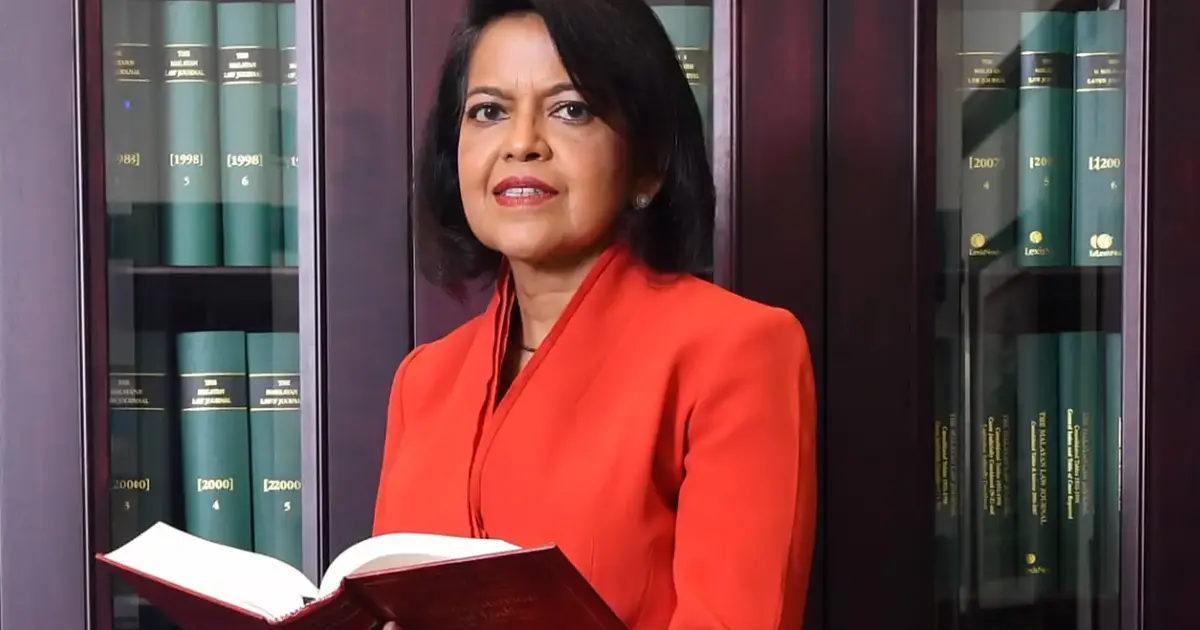
Nallini Pathmanathan, a retired judge from Malaysia's highest court, has been appointed chairman of the Malaysian Media Council at a moment when the country's news industry faces accelerating headwinds. The decision reflects the council's recognition that navigating contemporary media challenges requires leadership with extensive experience in legal interpretation and institutional governance. Her elevation to the role arrives as newsrooms contend with shifting audience habits, financial constraints, and mounting questions about editorial independence and regulatory compliance across print, broadcast, and digital platforms.
The Malaysian Media Council, which serves as the primary self-regulatory body for the journalism profession, has tasked Pathmanathan with steering the organisation through a transformative period. Her appointment represents a deliberate choice to draw on her background in constitutional and administrative law, suggesting the council intends to deepen its focus on legal frameworks governing press freedom and journalistic standards. As a former member of the Federal Court, Malaysia's apex judicial institution, Pathmanathan brings institutional credibility and a comprehensive understanding of how judicial decisions shape media practice and rights in the Malaysian context.
The timing of this appointment underscores the gravity of challenges currently affecting Malaysia's media landscape. The industry faces pressure from declining advertising revenues, accelerated digitalisation that has eroded traditional business models, and competition from unregulated online content creators and social media platforms. Simultaneously, newsrooms grapple with questions about their role in a polarised political environment, the balance between editorial freedom and legal liability, and how to maintain journalistic standards while adapting to rapid technological change.
Pathmanathan's judicial background suggests the Malaysian Media Council intends to strengthen its authority in interpreting industry codes of ethics and adjudicating disputes between media outlets, advertisers, and the public. Her experience on the Federal Court means she understands how judicial review operates and how the council's decisions might withstand legal scrutiny. This is particularly relevant given that media councils across Asia have faced increasing legal challenges from both government entities and private complainants seeking to overturn council rulings or narrow the scope of self-regulation.
The appointment also signals the council's commitment to engaging with the broader governance ecosystem surrounding media in Malaysia. As a former judge, Pathmanathan likely brings relationships with the judiciary, government agencies, and legal professionals that could facilitate dialogue between the media industry and other institutional stakeholders. Such coordination is essential in countries where media regulation involves multiple actors—from parliament, to regulatory commissions, to professional bodies, to courts—each wielding different levers of influence over newsroom operations and journalistic conduct.
For the Malaysian journalism profession specifically, the appointment carries symbolic weight. It demonstrates that the media council views its mission as sufficiently important to warrant leadership at the highest institutional levels. At a time when press freedom indices have chronicled concerns about media independence in Malaysia, and when journalists report varying degrees of pressure from political actors and commercial interests, having a respected judicial figure at the helm may enhance the council's perceived neutrality and strengthen its ability to defend editorial autonomy.
The challenges confronting Malaysia's media industry extend beyond commercial and technological disruption. Newsrooms navigate a complex regulatory environment that includes the Communications and Multimedia Act, the Printing Presses and Publications Act, and laws addressing sedition, defamation, and national security. The Malaysian Media Council's role includes helping members understand how to operate within these legal constraints while maintaining editorial standards. Pathmanathan's expertise in constitutional interpretation positions her to help the council articulate clearer guidance on where legitimate regulation ends and press freedom begins.
Regional context matters here as well. Across Southeast Asia, media councils in countries such as Thailand, Philippines, and Indonesia have encountered increasing scrutiny and pressure from governments, commercial interests, and digital platforms. The Malaysian council's decision to appoint a figure with Pathmanathan's institutional standing reflects broader concern in the region about sustaining robust self-regulation as an alternative to heavier-handed state intervention in media affairs. If the Malaysian model strengthens under her leadership, it could provide a model for other Southeast Asian democracies wrestling with similar questions about balancing press freedom with professional accountability.
The specific challenges mentioned by the council in announcing her appointment—though not elaborated in detail—likely encompass several dimensions. Digital misinformation and the spread of unverified content have complicated the media council's task in setting and enforcing standards for professional journalism. The blurred line between journalism and opinion on digital platforms creates ambiguity about what should fall within the council's jurisdiction. Additionally, audience trust in traditional media institutions has fragmented, requiring the council to work harder to demonstrate that self-regulation serves public interest rather than merely protecting industry interests.
Pathmanathan's appointment may also reflect strategic thinking about the council's future structure and operations. Media councils worldwide are experimenting with new approaches to complaint handling, digital transparency, and engagement with online platforms. A chairman with her background might push for modernising the council's processes, perhaps introducing innovations in how complaints are assessed, how decisions are published, or how the council interacts with digital media actors that operate outside traditional regulatory frameworks.
Looking forward, the real test of Pathmanathan's tenure will be whether the Malaysian Media Council can strengthen media industry standards and defend editorial autonomy simultaneously—a balance that has proven elusive for self-regulatory bodies globally. Her judicial experience suggests she understands that legitimacy depends on being perceived as fair to all parties while remaining principled about fundamental values such as freedom of expression and public access to information. In a region where media autonomy remains contested, her leadership offers an opportunity to demonstrate that self-regulation, when guided by figures of integrity and institutional standing, remains a viable and valuable alternative to external control.