Universiti Teknologi MARA's Kelantan campus is urging economically disadvantaged students to embrace higher education opportunities rather than declining admission offers due to financial constraints. The institution has emphasised that a comprehensive support system exists to help such students manage their educational and living expenses, making university attendance feasible for those from struggling households. This appeal comes as competition for places in Malaysia's public universities intensifies, making each offered place increasingly valuable in an increasingly competitive landscape.
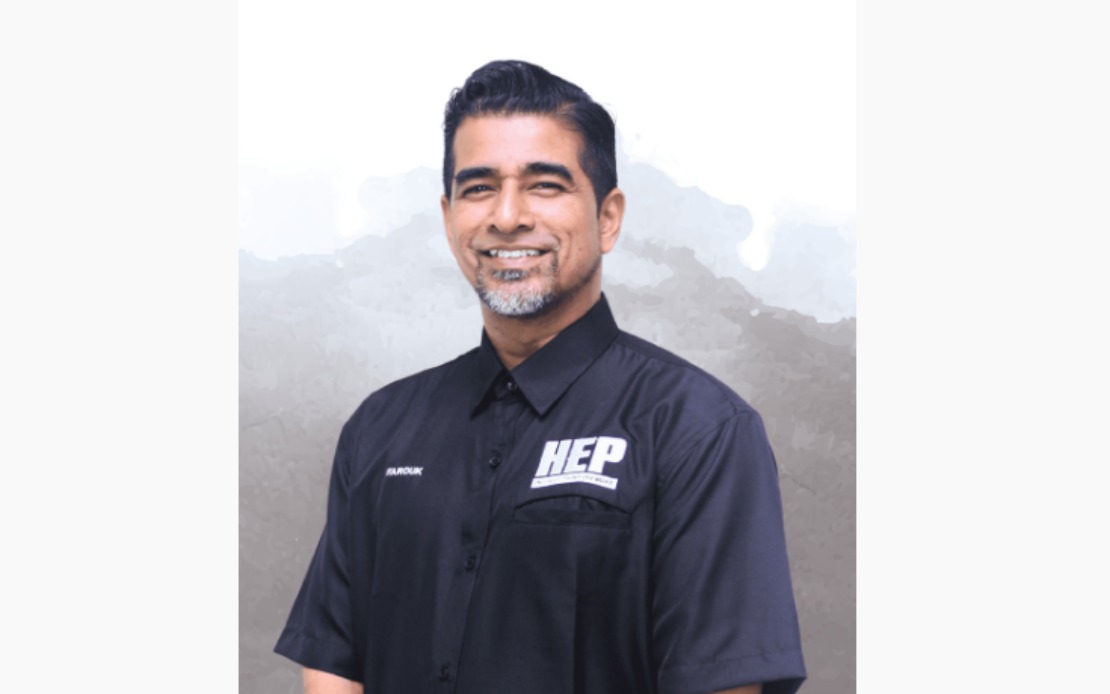
Meer Zhar Farouk Amir Razli, the deputy rector for student affairs at UiTM Kelantan, highlighted during the university's Rector's Cakna Programme that financial assistance extends well beyond the conventional reliance on PTPTN loans. The institution operates multiple support mechanisms tailored to help vulnerable students navigate the costs of tertiary education. These include zakat-based assistance, institutional welfare funds, and specialised initiatives designed specifically to address accommodation and living expenses for residential students. By diversifying funding sources, UiTM Kelantan attempts to remove financial barriers that often prevent promising students from disadvantaged backgrounds from pursuing their academic aspirations.
A cornerstone of UiTM Kelantan's support framework is the Dapur MADANI initiative, which operates within residential college settings to help students manage daily living expenses throughout their academic journey. This programme demonstrates institutional recognition that tuition fees represent only one component of the financial burden students face; accommodation, meals, transport, and other necessities often constitute equally significant challenges for families with limited means. By providing targeted assistance for these expenses, the university acknowledges that financial support must address the full spectrum of student needs rather than focusing narrowly on course fees alone.
The Rector's Cakna Programme itself exemplifies UiTM Kelantan's commitment to supporting disadvantaged students. Developed collaboratively with local non-governmental organisations, this initiative specifically targets newly enrolled students requiring additional assistance to successfully begin their studies. Rather than leaving vulnerable students to navigate support systems independently, the programme proactively identifies and reaches out to those most in need, providing both material support and guidance on accessing available resources. This proactive approach addresses a critical gap: many eligible students remain unaware of assistance programmes simply because information does not reach them through conventional channels.
The programme's concrete impact became evident through its assistance to Norzarra Dhania Amir Abdullah, a 19-year-old student from a low-income household. The university presented her with a laptop at her family residence in Jalan Kebun Sultan, equipping her with essential technology for her impending semester beginning in September. Such targeted support moves beyond financial assistance to include specific resources students need to succeed academically, recognising that technology access represents a genuine barrier for many students from underprivileged backgrounds. The laptop provision ensures that Norzarra Dhania enters her academic programme on comparable footing with peers from more privileged circumstances.
Norzarra Dhania's personal journey powerfully illustrates the stakes involved in ensuring disadvantaged students do not prematurely abandon higher education aspirations. Previously, she had received an admission offer to UiTM Sarawak but felt compelled to decline it due to her family's financial constraints. Her household situation exemplifies the structural challenges facing many Malaysian students: as the eldest of seven siblings, she shoulders family responsibilities while her mother works as a restaurant assistant following her father's diagnosis with diabetes four years prior. Her father's illness transformed her family's economic circumstances, eliminating previous stability and concentrating household income under mounting pressures.
The availability of UiTM Kelantan's admission offer, combined with the institution's support infrastructure, created circumstances where Norzarra Dhania could pursue her educational aspirations without geographical relocation creating insurmountable additional costs. By studying at a campus located nearer her family, she maintains connections to her support network while reducing transport expenses that would have complicated her financial situation further. Her decision to accept the UiTM Kelantan offer to pursue a Diploma in Management represents not merely an individual achievement but demonstrates how institutional support systems, when effectively communicated and implemented, can transform educational trajectories for vulnerable students.
The emphasis on encouraging students not to reject offers reflects broader considerations about equity within Malaysia's higher education landscape. Public universities represent crucial pathways for students whose family circumstances preclude expensive private alternatives. When academically qualified students decline these opportunities due to perceived financial impossibility, the nation loses potential talent while reinforcing patterns where economic disadvantage translates into educational exclusion. By asserting that comprehensive support exists, UiTM Kelantan challenges the assumption that poverty necessarily precludes university education, though it also acknowledges that such support requires deliberate institutional effort and student awareness.
Meer Zhar's call for students and parents to seek information before rejecting offers addresses a communication challenge that likely extends across Malaysia's higher education sector. Many eligible students may remain unaware of specific assistance programmes available at their designated institutions, leading to premature rejections based on incomplete information. This information gap particularly affects families without tertiary education experience, who may lack networks capable of guiding them through available support systems. The Rector's Cakna Programme and similar initiatives partially address this challenge through direct outreach, yet broader mechanisms ensuring equitable information access remain important for sustained progress.
The intensification of competition for places in public higher education institutions creates context for this initiative. As demand for university education expands while institutional capacity faces constraints, each admission offer represents an increasingly precious opportunity. Students who decline offers due to financial uncertainty may face difficulty securing alternative pathways, particularly if they have already completed secondary education and miss subsequent application cycles. This competitive environment reinforces the importance of comprehensive support systems that enable qualified students to actually pursue opportunities they have earned through academic merit, rather than allowing financial circumstances to create barriers at the moment of opportunity realisation.
UiTM Kelantan's multi-pronged approach to student support—combining PTPTN alternatives, zakat assistance, welfare funds, and initiatives like Dapur MADANI—acknowledges that sustainable solutions to educational access require institutional versatility. No single funding source adequately serves all students across diverse circumstances; instead, layered support systems allow institutions to tailor assistance to individual situations while distributing administrative burden across multiple mechanisms. This approach also reflects Islamic principles of communal responsibility through zakat while complementing government-supported PTPTN mechanisms, creating a support ecosystem drawing on diverse moral and practical frameworks.
As Malaysian society continues expanding university education's role within social mobility narratives, ensuring that talented students from disadvantaged backgrounds can actually access available opportunities remains central to these aspirations. Norzarra Dhania's case demonstrates that financial assistance, when effectively mobilised, can transform circumstances that initially appeared insurmountable. By actively encouraging students not to reject offers and backing this encouragement with demonstrable institutional commitment through programmes like the Rector's Cakna, UiTM Kelantan models approaches other institutions might profitably emulate in their efforts to realise educational equity beyond rhetorical commitment.