%22%2F%3E%3C%2Fpattern%3E%3C%2Fdefs%3E%3Crect%20width%3D%22100%25%22%20height%3D%22100%25%22%20fill%3D%22url(%23ph234exg)%22%2F%3E%3Crect%20width%3D%22100%25%22%20height%3D%22100%25%22%20fill%3D%22url(%23ph234exp)%22%2F%3E%3Ctext%20x%3D%2250%25%22%20y%3D%2250%25%22%20text-anchor%3D%22middle%22%20dominant-baseline%3D%22central%22%20fill%3D%22rgba(255%2C255%2C255%2C0.95)%22%20font-family%3D%22Georgia%2C%20'Times%20New%20Roman'%2C%20serif%22%20font-weight%3D%22700%22%20font-size%3D%22194%22%20letter-spacing%3D%22-0.02em%22%3EFederal%3C%2Ftext%3E%3C%2Fsvg%3E)
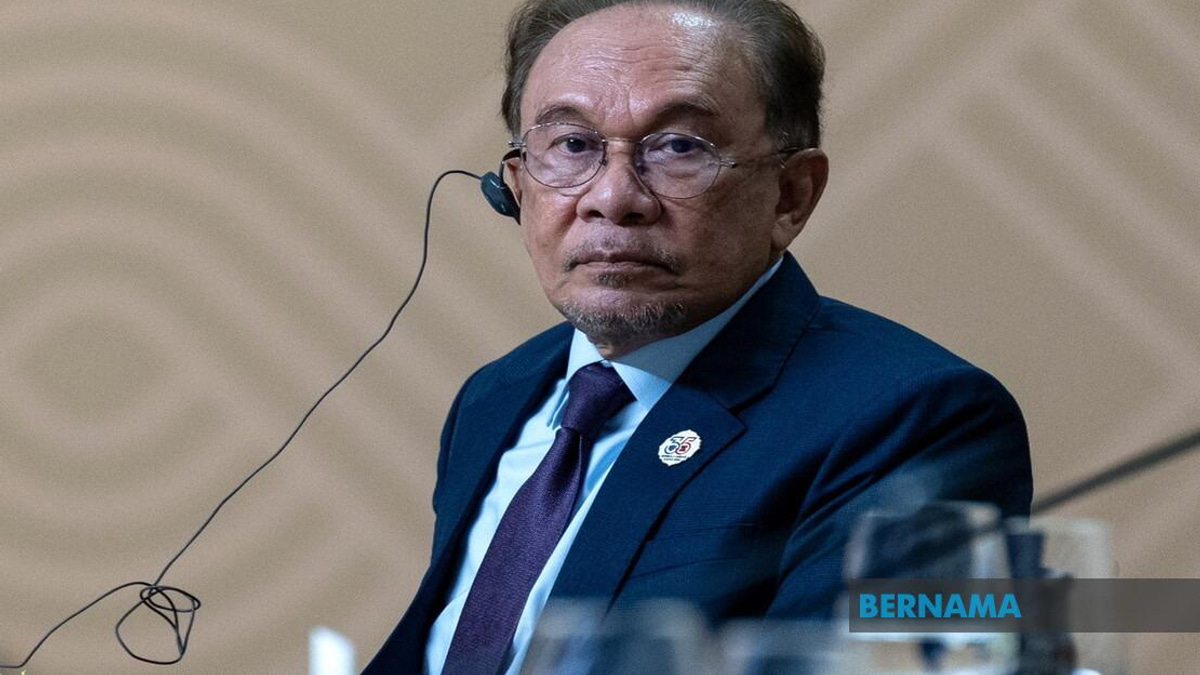
The Federal Government has significantly increased its interim Special Grant allocation to Sabah, raising the amount from RM600 million to RM1.5 billion. This substantial financial boost was announced by Prime Minister Datuk Seri Anwar Ibrahim on May 31, marking a decisive shift in federal support for the East Malaysian state. Datuk Armizan Mohd Ali, secretary-general of Gabungan Rakyat Sabah (GRS) and the country's Domestic Trade and Cost of Living Minister, characterised the increase as clear evidence of Kuala Lumpur's determination to honour Sabah's constitutional rights stemming from the Malaysia Agreement 1963.
The Malaysia Agreement 1963, which established the federation by bringing together the Peninsula, Sabah, Sarawak, and Singapore, has long remained a cornerstone document in discussions about state autonomy and financial arrangements. For decades, questions have persisted regarding the precise implementation of Sabah's entitlements under this foundational agreement. The Special Grant mechanism, governed by Articles 112C and 112D of the Federal Constitution, exists specifically to address revenue distribution commitments made during the federation's formation. This latest increase represents a tangible recognition of those obligations and reflects months of negotiation between Sabah's political leadership and the federal administration.
Armizan emphasised that although legal proceedings continue regarding Sabah's claimed 40 per cent revenue entitlement, the interim allocation increase signals serious intent from the government. He underscored GRS's firm stance that the comprehensive review of the Special Grant must proceed to completion, with formal gazettement of the revised arrangement occurring within the current calendar year. This timeline is significant for Sabah, as it would provide greater certainty for development planning and budgetary forecasting at the state level. The tripling of the interim grant demonstrates that the federal government is not merely engaged in protracted dialogue but is willing to commit resources while final arrangements are being formalised.
The Prime Minister's parliamentary statement on November 13, 2025, proved crucial in this evolving narrative. During that address to the Dewan Rakyat, Anwar Ibrahim explicitly acknowledged the MADANI Government's recognition of Sabah's 40 per cent Special Grant entitlement as specified in the Federal Constitution. This public affirmation provided political cover for the subsequent increase and set expectations for further action. For Sabah's representatives, such statements carry weight beyond their immediate context, establishing a binding political commitment that can be referenced in future negotiations and holding the government accountable to its constitutional obligations.
Armizan subsequently convened a special meeting with several Sabah Members of Parliament to review the current status of implementing the state's 40 per cent entitlement claim. These consultations with fellow MPs reflect the consensus-building approach that GRS has adopted regarding what remains fundamentally one of Sabah's most significant outstanding grievances. The state's political leadership appears united in its determination to pursue this matter, recognising that resolving it comprehensively would have far-reaching implications for Sabah's development trajectory and fiscal autonomy over the coming decades.
For Malaysian readers, particularly those in Sabah and other East Malaysian states, this development carries important implications. It suggests that constitutional rights negotiated at the moment of federation can still be revisited and honoured, even if implementation requires years of persistent engagement. It also demonstrates that federal governments, regardless of their political composition, may ultimately accede to legitimate claims grounded in foundational constitutional documents. The increase in the interim grant is not merely a financial adjustment but a recognition that Sabah's historical grievances have substance and warrant remedial action.
The significance of this matter extends beyond Sabah's borders. Sarawak has similarly maintained ongoing disputes regarding its own constitutional entitlements, and the manner in which the federal government resolves Sabah's claims may establish precedent for similar negotiations with the other East Malaysian state. If Kuala Lumpur demonstrates genuine commitment to honouring the Malaysia Agreement 1963 with Sabah, it may open pathways for resolving comparable issues affecting Sarawak. This interconnectedness means that Sabah's negotiating success could have ripple effects throughout the region's federal arrangements.
Armizan's commitment to pursuing these matters through "continuous engagement, negotiation and cooperation" reflects a deliberate strategy of working within institutional frameworks rather than confrontation. GRS has explicitly positioned itself as the constructive protector of Sabah's interests, a stance that appears to have yielded tangible results with the federal government. This approach contrasts with more adversarial tactics and suggests that maintaining working relationships with federal institutions, whilst maintaining firm negotiating positions, can produce measurable outcomes. For Sabah's political leaders, balancing firmness with pragmatism remains essential in securing their state's due entitlements.
The financial implications of the increased grant warrant examination. A RM900 million increase in interim allocations represents substantial additional revenue for Sabah's state government, capable of funding significant development projects or addressing existing fiscal pressures. However, the intermediate nature of this arrangement means it is explicitly not the final resolution but rather a step towards the comprehensive restructuring of revenue arrangements contemplated under the Federal Constitution. The state government must therefore manage expectations whilst planning for the eventual full implementation of the 40 per cent entitlement, which would presumably exceed even this tripled amount.
Looking forward, the effectiveness of GRS's engagement strategy will be measured by whether the gazettement of the revised Special Grant occurs within the stipulated timeframe and whether the eventual settlement approximates Sabah's full constitutional entitlement. The Prime Minister's public statements and the interim grant increase have raised stakes for federal follow-through. Sabah's representatives will carefully monitor whether these political commitments translate into permanent constitutional reforms, ensuring that future governments cannot easily reverse the arrangements now being negotiated. The Malaysia Agreement 1963 remains as relevant today as when it was signed, and its proper implementation continues to shape federal-state relations across Malaysia.