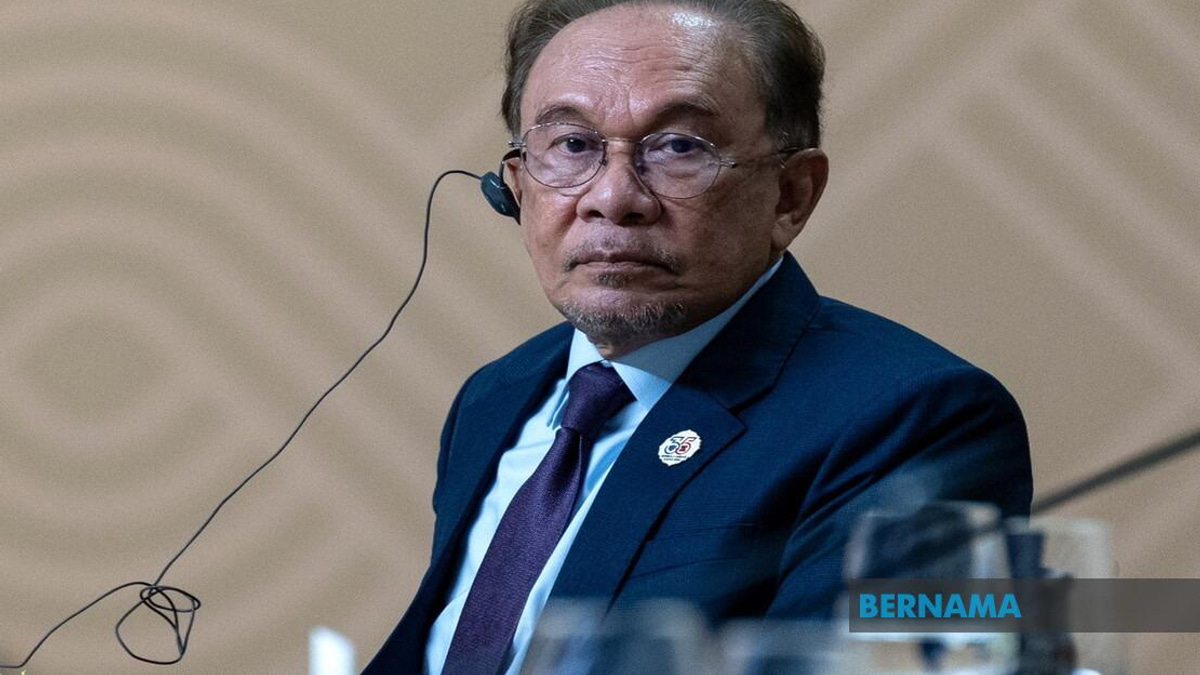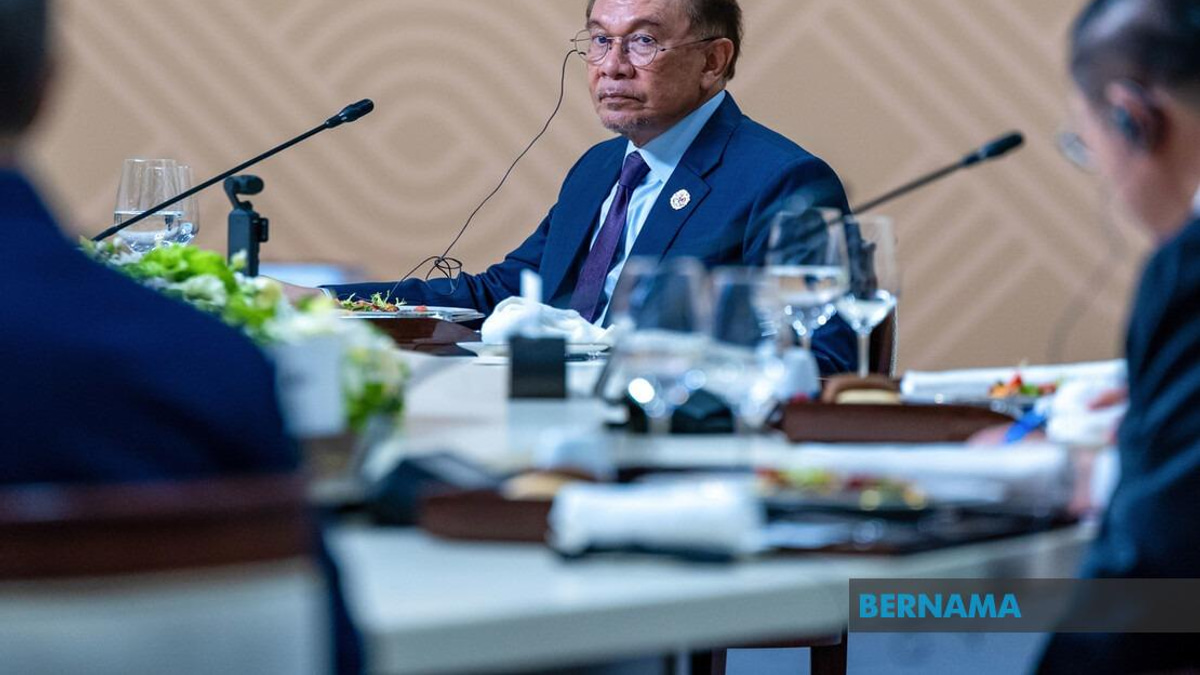
Malaysia's Prime Minister Datuk Seri Anwar Ibrahim has issued a pointed warning to European governments, indicating that developing nations are prepared to explore new international partnerships if they face continued discriminatory conduct. His remarks, delivered in Kuala Lumpur, underscore growing frustration among developing economies over what they perceive as asymmetrical treatment in dealings with wealthy nations, and they carry significant implications for Southeast Asia's diplomatic alignment in an increasingly multipolar world.
The Prime Minister anchored his statement in a concrete dispute involving Norway, a wealthy Nordic nation that has come under scrutiny over its handling of defence-related matters affecting Malaysian interests. Rather than detailing the specific nature of the conflict, Anwar's broader messaging signals that Malaysia views this as emblematic of larger patterns of conduct that strain relations between the Global North and Global South. The choice to publicly voice such concerns reflects a deliberate diplomatic strategy aimed at signalling that Kuala Lumpur's patience with what it deems unequal treatment has limits.
Anwar's warning taps into a current of discontent reverberating across the developing world, where nations struggle to punch their weight in international negotiations weighted heavily towards wealthy Western powers. For Malaysia specifically, which has long positioned itself as a bridge between developed and developing economies, the statement represents a calibrated recalibration of its diplomatic stance. It suggests that Malaysia is increasingly willing to leverage its economic and geopolitical significance as a counterweight to Western pressure, rather than remaining passively receptive to terms dictated by established powers.
The defence dispute with Norway carries particular weight given the Nordic country's reputation for progressive values and transparent governance. When such nations are accused of unfair dealing by developing countries, it challenges the narrative that wealthy democracies operate according to universally just principles. For Malaysia and other developing nations, such incidents provide evidence that national interests—rather than stated values—ultimately drive foreign policy even among advanced economies, a reality that emboldens developing nations to pursue their own strategic interests more assertively.
Anwar's statement also reflects Malaysia's broader foreign policy evolution under his current administration. The Prime Minister has emphasised recalibrating Malaysia's international engagement to prioritise national interests and reciprocal benefit rather than deference to established power structures. This approach resonates with other middle-power nations in Southeast Asia and beyond, which increasingly view diversified partnerships—spanning Europe, Asia, the Middle East, and beyond—as essential insurance against overreliance on any single bloc or nation.
The reference to seeking alternatives carries significant implications within the Southeast Asian context, where countries are acutely conscious of great-power competition. By signalling openness to diversifying partnerships, Malaysia implicitly indicates it may strengthen ties with non-Western actors, whether through deepened engagement with China, expanded relationships with India, or closer coordination with other developing economies. This flexibility serves Malaysian interests by preventing any single power from wielding disproportionate leverage over policy decisions.
Developing nations have increasingly articulated grievances over how international rules and institutions, many established decades ago, continue to reflect the distribution of power from that era. Whether through trade negotiations, climate accords, or security arrangements, nations like Malaysia contend they often face predetermined outcomes where their input carries minimal weight. Anwar's words validate these frustrations and position Malaysia as willing to challenge arrangements deemed unjust, signalling to both Western partners and potential new partners that Malaysia cannot be taken for granted.
The timing of such statements also matters in the context of Malaysia's current economic challenges and political dynamics. Domestically, projecting strength in international affairs and protecting national dignity resonates with Malaysian voters and strengthens Anwar's political position. Externally, it establishes clear parameters for international engagement that any prospective partner—whether European, Asian, or otherwise—must respect to maintain productive relations with Malaysia.
For European nations seeking to maintain influence in Southeast Asia and among developing economies broadly, Anwar's remarks serve as a wake-up call that deference towards Western preferences cannot be assumed indefinitely. The European model of statecraft, built on historical precedent and institutional advantage, faces an increasingly assertive set of competitors willing to offer developing nations different terms. Whether through Chinese infrastructure investment, Middle Eastern financing, or Indian technological cooperation, alternatives exist to European frameworks, and developing nations have demonstrated willingness to explore them when feeling disrespected.
The broader significance extends beyond bilateral disputes. As geopolitical competition intensifies between established and rising powers, developing nations occupy increasingly pivotal positions in global alignments. Nations that treat them as stakeholders with legitimate interests may earn loyalty and influence; those that persist in treating them as subordinate partners risk losing access and goodwill. Malaysia's warning reflects this fundamental shift in leverage and expectations among developing economies.
Looking forward, Anwar's statement likely signals that Malaysia intends to drive harder bargains in negotiations with European counterparts while remaining open to expanding relationships elsewhere. This posture—neither hostile nor submissive—reflects mature statecraft from a nation with genuine options. For Malaysia's neighbours in ASEAN and fellow developing economies, the message offers implicit validation that assertiveness in international relations yields dividends and that the era of accepting unequal terms has genuinely ended.