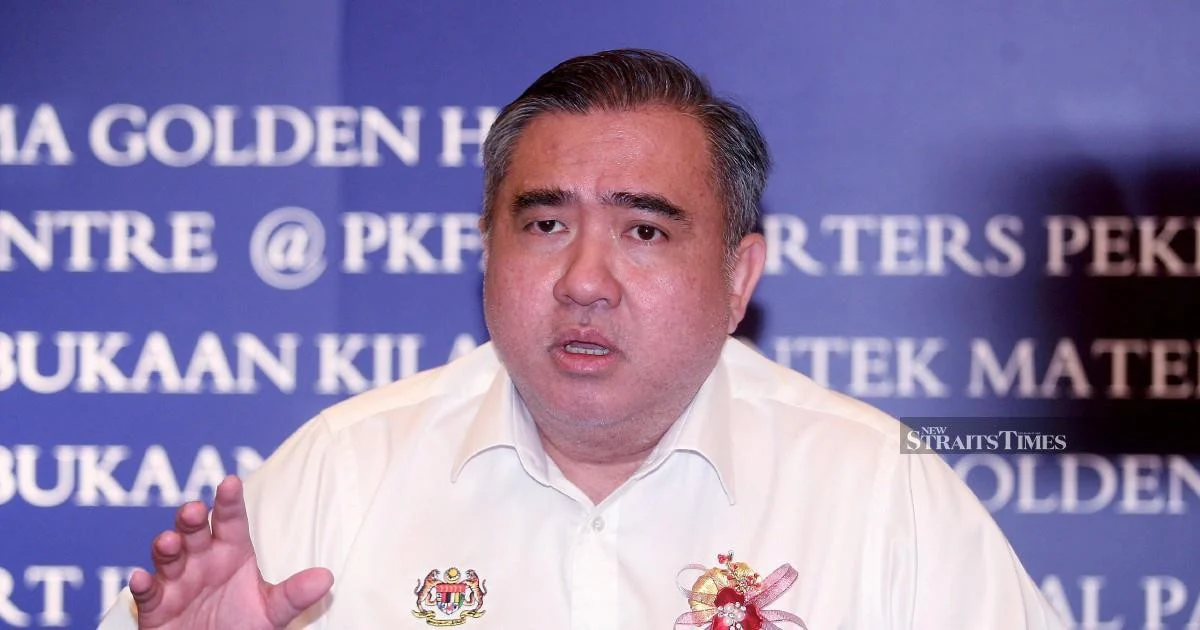
The Democratic Action Party is poised to reveal its full roster of candidates for the upcoming Johor state election in a formal announcement scheduled for tonight, a move that underscores the party's readiness to contest what observers view as a pivotal electoral contest in Malaysia's largest peninsular state.
The unveiling ceremony, set to take place in Kluang, represents a significant milestone in DAP's campaign machinery as the party crystallises its strategic positioning ahead of polling day. For weeks, speculation has swirled around which constituencies the party would prioritise and which established representatives would retain their seats, making tonight's announcement eagerly anticipated by political analysts and party grassroots alike.
Johor remains strategically vital to DAP's ambitions in peninsular Malaysia. The state, home to more than 4.7 million residents, comprises 56 state assembly constituencies distributed across three parliamentary zones. DAP's performance here substantially influences its standing within the broader opposition coalition and its bargaining position in future federal configurations. The party has maintained a foothold in several urban and suburban constituencies, particularly in districts with significant Chinese-majority and urban Malay populations.
The candidate selection process typically involves intricate negotiations within party structures, balancing veteran performers against emerging political talent. For DAP, such announcements also serve as a moment to communicate party messaging directly to supporters and the voting public, setting the tone for the campaign phase. By formally introducing candidates at a designated event, the party creates a media focal point that amplifies its electoral narrative.
Johor's political complexion has shifted considerably in recent years. The state has witnessed fluctuating power dynamics between federal-aligned coalitions and opposition parties, creating an uncertain terrain where traditional voting patterns cannot be taken for granted. This volatility has encouraged major parties to invest substantially in candidate quality and ground-level campaign infrastructure. DAP's candidate announcements will inevitably trigger speculation about whether the party is fielding stronger lineups in winnable seats or attempting a broader expansion of its electoral footprint.
Political observers note that candidate announcements invariably generate discussion about party ideology, demographic representation, and policy priorities. As DAP reveals its slate tonight, attention will focus on factors such as the proportion of women candidates, representation of younger politicians, and whether the party has made conscious efforts to appeal to emerging demographic voting blocs. These compositional elements frequently communicate as much about a party's electoral strategy as the constituencies it contests.
The timing of tonight's announcement carries its own significance. By formalising candidate selections now, DAP signals confidence in its preparations and projects an image of organisational efficiency to voters. Conversely, any delays or controversies surrounding candidate picks can undermine campaign momentum and create space for rival parties to dominate the news cycle with their own messaging.
For Johor's electorate, candidate announcements mark the transition from speculation to concrete electoral choice. Voters can now begin assessing which representatives will compete for their support, evaluating incumbent records and evaluating newcomers' credentials. This shift from abstract party positioning to individual politician evaluation fundamentally alters campaign dynamics, as contests increasingly become personalised contests between candidates rather than faceless party performance evaluations.
DAP's standing in Johor reflects broader patterns in Malaysian electoral politics where urban constituencies and areas with higher educational attainment have historically favoured the party's governance and anti-corruption messaging. However, rural constituencies and areas with larger Bumiputera majorities have proven more resistant to DAP's outreach efforts. Tonight's candidate list will likely reveal whether the party has adjusted its strategic approach to address these persistent geographic divides.
The opposition coalition dynamics also factor significantly into how observers will interpret DAP's candidate selections. Coordination with potential partner parties, seat-sharing arrangements, and signals about coalition-building become readable through careful examination of which constituencies the party contests and which it potentially cedes. Such patterns communicate underlying partnership negotiations that remain formally unannounced.
For Malaysia's political ecosystem more broadly, DAP's candidate announcements contribute to a gathering momentum across opposition and ruling coalitions preparing for what many analysts expect will be a consequential electoral cycle. As major parties progressively reveal their campaign lineups, the nation's political trajectory becomes clearer, allowing voters and observers to make informed assessments about likely power configurations and policy directions.
Tonight's formal unveiling in Kluang thus transcends a mere procedural matter of candidate registration. It represents a party crystallising its democratic mandate, communicating strategic priorities, and inviting Johor's voters to choose between competing visions for the state's governance and development trajectory.