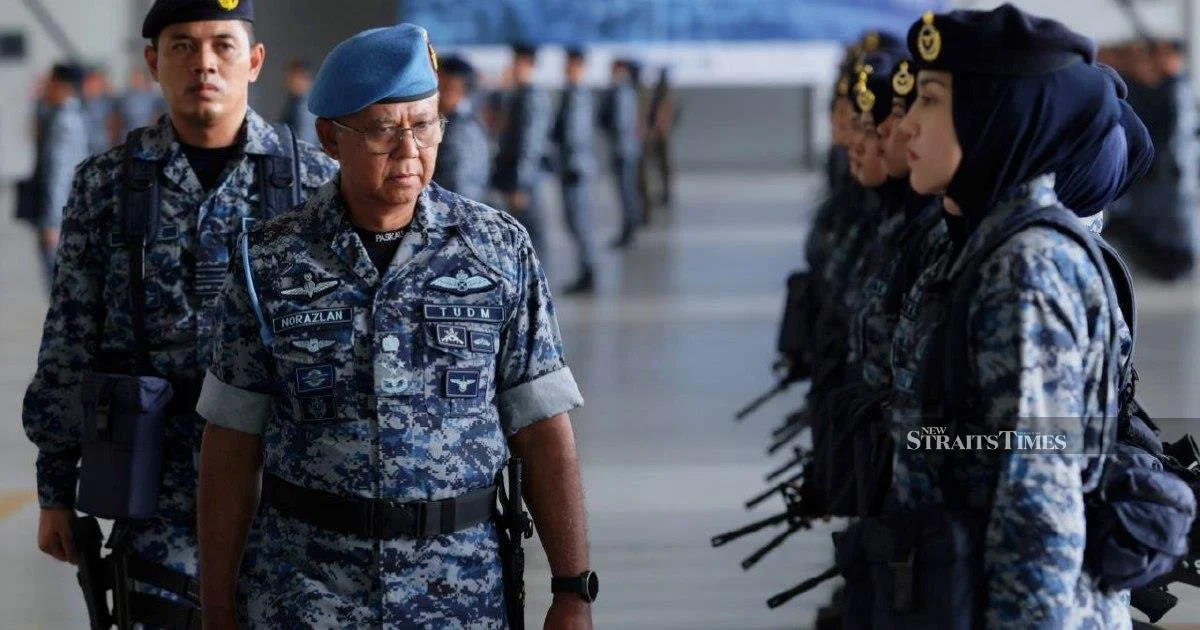
Malaysia's military aviation arm is embarking on a significant modernisation drive that reflects the evolving security landscape in Southeast Asia and the nation's commitment to maintaining robust airspace protection. The Royal Malaysian Air Force (RMAF) has announced plans to operationalise the Anka-S unmanned aircraft system and the P-72M maritime patrol aircraft, marking a substantial upgrade to its surveillance and reconnaissance capabilities across several strategically important regions.
The adoption of these advanced platforms signals a broader strategic shift within the RMAF towards leveraging unmanned and specialised aircraft to address contemporary security challenges. Unmanned systems have become increasingly central to modern air defence and border surveillance operations worldwide, allowing for persistent monitoring of vast areas while minimising pilot fatigue and operational costs. The Anka-S system, in particular, represents a substantial leap forward in the RMAF's technological capabilities, offering extended endurance and enhanced payload capacity compared to earlier generation systems.
The P-72M maritime patrol aircraft complements this modernisation effort by providing dedicated capability for maritime surveillance and reconnaissance missions. This platform is particularly relevant for Malaysia's extensive coastal regions and the critical sea lanes that pass through Malaysian waters, including shipping routes of global economic importance. The combination of these two systems creates a layered surveillance approach that addresses both airspace and maritime domain awareness requirements.
The timing of this capability enhancement comes as Southeast Asia continues to grapple with various security concerns, ranging from transnational smuggling and human trafficking to maritime disputes and airspace incursions. Malaysia's geographical position along major global shipping routes and near critical straits makes robust surveillance capabilities essential for national security and economic protection. The RMAF's investment in these systems reflects a pragmatic assessment of current regional security dynamics and the importance of maintaining constant vigilance over Malaysian airspace and territorial waters.
The Anka-S unmanned system brings several operational advantages that directly address gaps in the RMAF's current surveillance infrastructure. These aircraft can operate for extended periods, gathering intelligence over designated areas without requiring pilot rotation. They can be equipped with various sensor packages tailored to specific mission requirements, whether conducting reconnaissance, surveillance, or target acquisition. The system's flexibility allows deployment across diverse operational scenarios, from routine airspace monitoring to rapid response situations requiring immediate intelligence collection.
Maritime security considerations have taken on heightened importance for Malaysia in recent years, with various incidents highlighting the vulnerability of commercial shipping and fishing vessels in waters falling under Malaysian jurisdiction. The P-72M platform directly addresses these concerns by providing dedicated maritime patrol capabilities with advanced sensors for detecting and monitoring maritime activity. The aircraft's range and endurance enable comprehensive coverage of Malaysia's vast exclusive economic zone and surrounding waters, areas that had previously been challenging to monitor consistently using conventional patrol assets.
The introduction of these capabilities will necessitate significant investment in training and infrastructure development. RMAF personnel will require comprehensive instruction on operating and maintaining these advanced systems, necessitating partnerships with manufacturers and potentially other nations with established experience. Supporting infrastructure including hangars, maintenance facilities, and command and control stations will need to be established or upgraded at relevant air bases throughout the country.
From a regional perspective, Malaysia's capability enhancement contributes to the broader security architecture of Southeast Asia. The nation's improved surveillance capacity benefits not only bilateral security cooperation with neighbouring countries but also multilateral initiatives addressing transnational security threats. Enhanced Malaysian airspace and maritime domain awareness strengthens the region's collective security posture and enables more effective information sharing within established regional frameworks.
The financial implications of this modernisation programme are substantial, reflecting the importance the Malaysian government places on maintaining credible air defence and surveillance capabilities. Beyond the direct acquisition costs of the aircraft themselves, ongoing operational expenses for fuel, maintenance, and personnel training represent significant long-term commitments. However, proponents argue that the investment yields substantial returns through improved security outcomes, enhanced economic protection for maritime commerce, and strengthened deterrence against potential airspace violations.
Integrating these systems into existing RMAF operations presents both opportunities and challenges. The air force must ensure seamless coordination between new unmanned and manned platforms while maintaining compatibility with existing command and control architecture. Developing effective operational procedures and tactical doctrines for utilising these systems requires careful planning and extensive training exercises. The RMAF will need to establish clear protocols for data sharing, threat assessment, and rapid response protocols to translate enhanced surveillance into effective security outcomes.
Looking forward, the deployment of the Anka-S and P-72M platforms positions the RMAF to address current security requirements while providing flexibility for future capability expansion. These systems serve as building blocks for a modern surveillance architecture that can evolve to meet emerging threats and incorporate advancing technologies. The success of this modernisation initiative will depend on sustained commitment to training, maintenance, and operational integration.
%22%2F%3E%3C%2Fpattern%3E%3C%2Fdefs%3E%3Crect%20width%3D%22100%25%22%20height%3D%22100%25%22%20fill%3D%22url(%23ph3r5jwg)%22%2F%3E%3Crect%20width%3D%22100%25%22%20height%3D%22100%25%22%20fill%3D%22url(%23ph3r5jwp)%22%2F%3E%3Ctext%20x%3D%2250%25%22%20y%3D%2250%25%22%20text-anchor%3D%22middle%22%20dominant-baseline%3D%22central%22%20fill%3D%22rgba(255%2C255%2C255%2C0.95)%22%20font-family%3D%22Georgia%2C%20'Times%20New%20Roman'%2C%20serif%22%20font-weight%3D%22700%22%20font-size%3D%22320%22%20letter-spacing%3D%22-0.02em%22%3EPAS%3C%2Ftext%3E%3C%2Fsvg%3E)

%22%2F%3E%3C%2Fpattern%3E%3C%2Fdefs%3E%3Crect%20width%3D%22100%25%22%20height%3D%22100%25%22%20fill%3D%22url(%23ph1b8gfg)%22%2F%3E%3Crect%20width%3D%22100%25%22%20height%3D%22100%25%22%20fill%3D%22url(%23ph1b8gfp)%22%2F%3E%3Ctext%20x%3D%2250%25%22%20y%3D%2250%25%22%20text-anchor%3D%22middle%22%20dominant-baseline%3D%22central%22%20fill%3D%22rgba(255%2C255%2C255%2C0.95)%22%20font-family%3D%22Georgia%2C%20'Times%20New%20Roman'%2C%20serif%22%20font-weight%3D%22700%22%20font-size%3D%22320%22%20letter-spacing%3D%22-0.02em%22%3EOnn%3C%2Ftext%3E%3C%2Fsvg%3E)