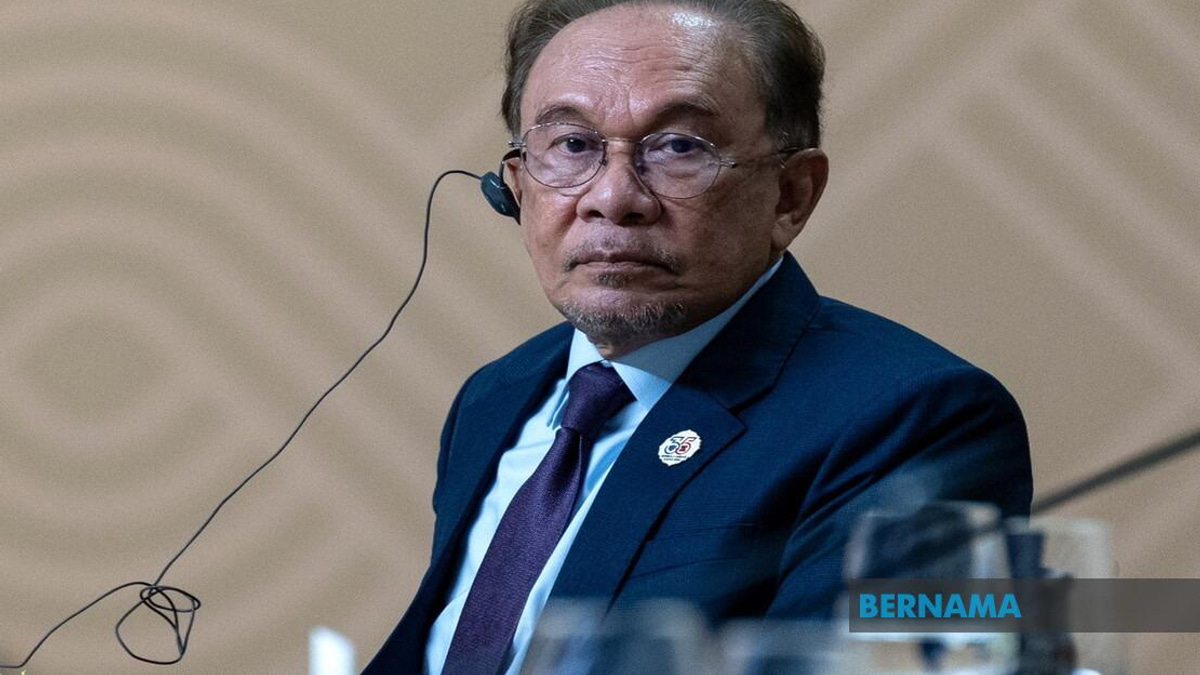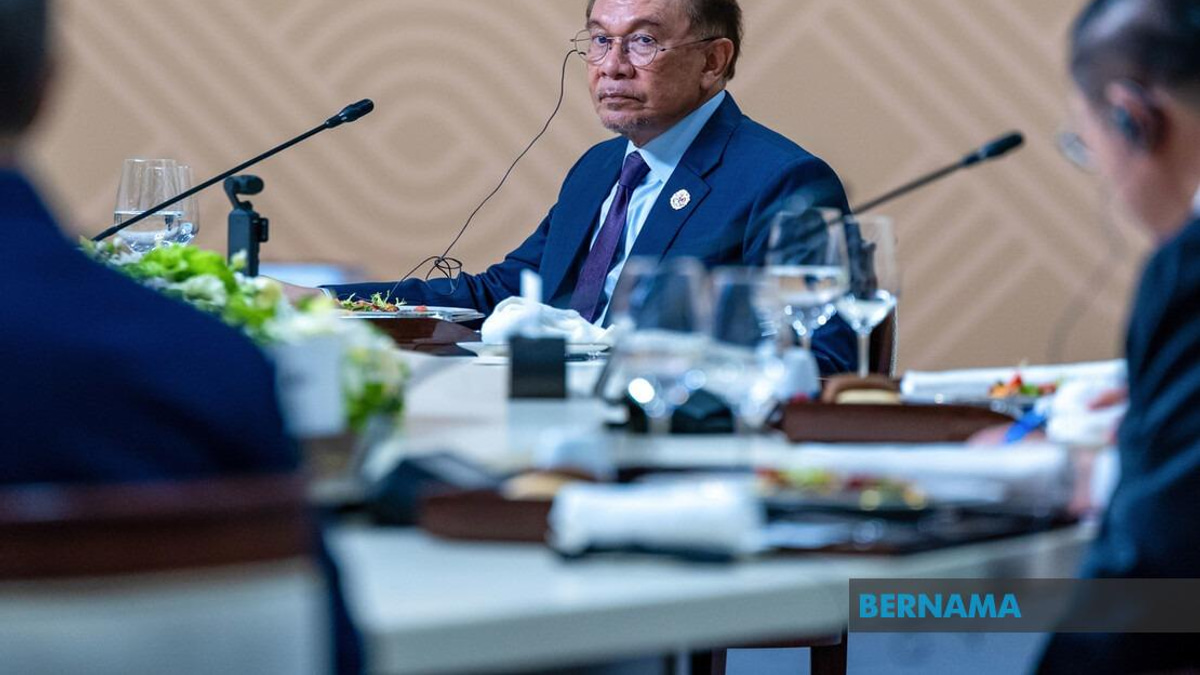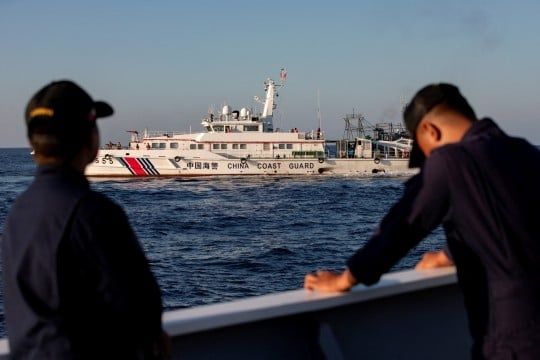
China has singled out Malaysia for its constructive stance in steering forward negotiations on a Code of Conduct for the South China Sea, marking a significant acknowledgement of Kuala Lumpur's diplomatic role in one of Asia's most sensitive maritime disputes. The endorsement came from China's Ambassador to Malaysia Ouyang Yujing, who highlighted the country's position as co-chair of the mechanism overseeing implementation of the Declaration on the Conduct of Parties in the South China Sea. The envoy's remarks follow Prime Minister Datuk Seri Anwar Ibrahim's recent reiteration that Malaysia remains committed to advancing the stalled negotiations, signalling renewed momentum in efforts to establish binding rules governing behaviour in contested waters claimed by multiple nations.
The Code of Conduct represents perhaps the most ambitious diplomatic effort to manage competition in the South China Sea, one of the world's busiest and most strategically important shipping corridors. Rather than seeking to resolve underlying sovereignty disputes, the COC framework aims to establish mutual understandings on maritime conduct, accident prevention, and resource management protocols that would theoretically reduce tensions and provide institutional safeguards against escalation. Ouyang stressed that such institutional guarantees would be indispensable for ensuring sustained regional peace and stability, underscoring Beijing's framing of the agreement as a stabilising mechanism rather than a capitulation to pressure from smaller claimant states or external powers.
Malaysia's role as co-chair places it in a delicate balancing position within the regional architecture surrounding the South China Sea dispute. The country itself is a claimant state with significant maritime claims in the region, yet it has consistently advocated for dialogue-based solutions and regional consensus-building rather than confrontational approaches. This positioning has made Malaysia a trusted intermediary among ASEAN members with varying interests and capabilities, and between ASEAN as a bloc and major powers with stakes in the maritime domain. Ouyang's public commendation effectively validates Malaysia's diplomatic approach and indirectly encourages other regional actors to maintain constructive engagement rather than adopt more adversarial postures.
The ambassador noted that China and Malaysia have maintained intensive communication channels on maritime matters throughout the past year, moving beyond mere bilateral interactions to explore concrete mechanisms for maritime cooperation in the disputed waters. This sustained dialogue represents a conscious effort to compartmentalise maritime management issues from broader geopolitical tensions, allowing both countries to pursue practical solutions even amid larger strategic competitions. The emphasis on bilateral maritime cooperation suggests that Beijing views Malaysia as a potentially reliable partner in establishing operational protocols and confidence-building measures that could eventually feed into broader regional frameworks.
Outstanding questions about the COC's timeline have taken on increasing urgency as ASEAN leaders have publicly expressed hopes for finalisation within the current calendar year. Ouyang's acknowledgement that negotiations have entered a critical stage reflects the heightened pressure to achieve substantive progress after years of incremental discussions. The ambassador's insistence that all parties remain committed to completing negotiations on schedule represents both optimism and a gentle reminder of the stakes involved—failure to deliver concrete results risks diminishing the credibility of regional organisations and diplomatic processes that depend on demonstrating tangible outcomes to justify their continued existence and relevance.
The strategic context underpinning these negotiations extends far beyond the immediate South China Sea littoral states. The United States, through its allies and security commitments, maintains a vested interest in maintaining freedom of navigation and preventing any single power from establishing hegemonic control over the region's maritime lanes. Japan, South Korea, Australia, and India all monitor developments closely given their own strategic interests in maintaining open sea lanes and regional balance. China's emphasis on regional solutions through ASEAN frameworks rather than external interference represents its counter-narrative to this broader regional security architecture, seeking to position itself as a responsible stakeholder committed to managed coexistence rather than strategic domination.
Malaysia's acceptance of the co-chair role and its constructive engagement place it at the intersection of these competing visions. The country must satisfy its ASEAN partners that it represents their collective interests, particularly smaller states like Vietnam, the Philippines, and Brunei that possess more limited military and economic leverage. Simultaneously, Malaysia must maintain functional relations with China, which remains one of its largest trading partners and investors. This balancing act explains why Beijing's explicit praise of Malaysia's role carries political significance—it signals Chinese satisfaction with how Malaysia is managing this uncomfortable middle position.
The broader bilateral relationship between China and Malaysia has experienced notable elevation in recent months, particularly following President Xi Jinping's state visit to Malaysia last year. The subsequent high-level exchanges, including Premier Li Qiang's dual visits and Prime Minister Anwar Ibrahim's repeated journeys to China, underscore the intensity of engagement at the top levels of government. These high-frequency interactions serve multiple purposes simultaneously: they reinforce political trust, facilitate problem-solving on contentious issues through personal relationships, and demonstrate commitment to the relationship to domestic and regional audiences. The frequency of such exchanges has effectively reset expectations about the bilateral relationship, moving it from historical patterns of coolness or pragmatic distance towards more active partnership.
China's characterisation of current political mutual trust as strengthened points to deliberate efforts to transcend historical complications and divergences. The past decade has witnessed growing Chinese investment in Malaysian infrastructure, including the East Coast Rail Link project and various port developments, which have simultaneously deepened economic interdependence while creating complex domestic political sensitivities around debt sustainability and sovereignty concerns. The emphasis on expanding cooperation across multiple sectors reflects an intentional diversification strategy that embeds the relationship across numerous institutional and commercial channels, making disengagement costlier for both parties should political tensions emerge.
For Malaysia, the diplomatic dividends of its South China Sea stance appear substantial. By positioning itself as a responsible steward of regional stability and a trusted interlocutor, Kuala Lumpur enhances its diplomatic relevance and leverage with both regional and major powers. The implicit recognition from Beijing validates Malaysia's preference for cooperative engagement over confrontation, while simultaneously reassuring other ASEAN partners that Malaysia remains committed to managing regional competition peacefully. This positioning becomes increasingly valuable as broader Indo-Pacific geopolitical tensions intensify, offering Malaysia potential benefits through its demonstrated ability to facilitate dialogue and maintain working relationships across dividing lines.
The timeline pressure surrounding COC finalisation will test whether the diplomatic momentum can be converted into substantive agreements. Previous experience with regional frameworks suggests that the gap between aspiration and implementation remains substantial, particularly when underlying interests diverge significantly. However, the explicit endorsements from China and evident commitment from ASEAN leadership to conclude negotiations within the current year indicate that significant movement may be genuinely possible. Success would represent a meaningful diplomatic achievement for the region, while simultaneously enhancing Malaysia's credentials as a capable regional diplomatic actor capable of managing complex multilateral negotiations.
Looking ahead, Malaysia's continued stewardship of the COC process will demand consistent attention to the delicate equilibrium between encouraging genuine progress and maintaining consensus among all parties. The ambassador's emphasis on eliminating interference and managing differences rather than resolving underlying disputes reflects the pragmatic approach that these negotiations require—not attempting to solve the entire South China Sea problem, but rather establishing operational frameworks that allow for peaceful coexistence despite unresolved sovereignty claims. For Malaysia and the region, the stakes extend beyond the specific maritime code, touching fundamental questions about whether ASEAN mechanisms retain sufficient agency and effectiveness to shape major regional outcomes, or whether larger powers will increasingly determine the region's trajectory through bilateral pressures and strategic competition.