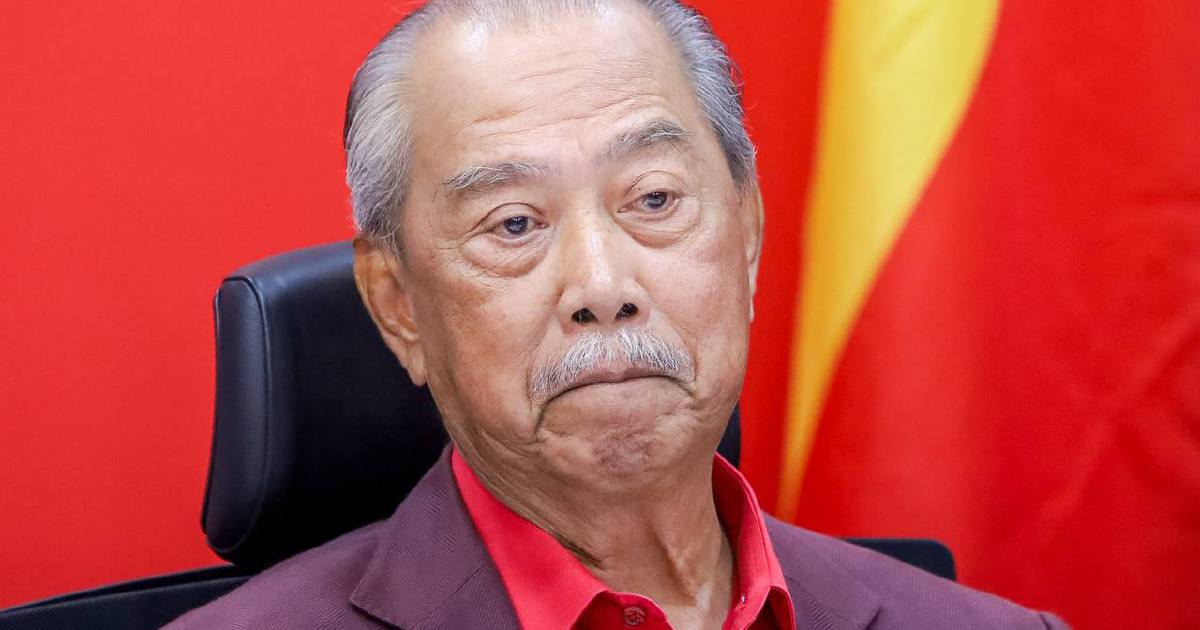
Parti Pribumi Bersatu Malaysia has moved to consolidate its position within the Perikatan Nasional coalition, with party president Tan Sri Muhyiddin Yassin publicly reaffirming the party's long-term commitment to the opposition pact. The statement, made in Petaling Jaya, clarified that Bersatu intends to field candidates in the Johor and Negri Sembilan state elections using the Perikatan Nasional logo rather than its own party symbol, signalling a unified approach to the electoral contests ahead.
This declaration comes at a significant moment for Malaysia's political landscape, where coalition cohesion has been tested repeatedly over recent months. The explicit confirmation that Bersatu will neither defect from PN nor pursue independent electoral campaigns represents a stabilising signal for the opposition bloc, which has faced internal pressures and defection concerns. For Malaysian voters in these two strategic states, the announcement suggests a consolidated opposition front rather than a fragmented alternative to the ruling coalitions.
The choice to contest under the coalition logo rather than Bersatu's own emblem carries deeper implications for party dynamics within Perikatan Nasional. This decision effectively subordinates individual party branding to the broader coalition narrative, a posture that enhances the PN's ability to present a unified platform to voters. In Johor, Malaysia's second-largest state, and Negri Sembilan, a traditionally competitive battleground, this approach potentially strengthens opposition appeal by avoiding vote dilution that might arise from multiple party symbols.
Bersatu's historical trajectory makes this commitment particularly noteworthy. The party, which emerged from a split within United Malays National Organisation ranks and later found itself alternating between government and opposition benches, has undergone multiple repositioning exercises. Muhyiddin's reaffirmation suggests the party has settled into a longer-term opposition strategy rather than maintaining fluid alignments that characterised previous years of Malaysian politics.
For Perikatan Nasional itself, securing Bersatu's explicit loyalty provides organisational certainty as the coalition prepares for electoral contests. PN encompasses several significant parties including PAS and Amanah, and internal coordination across these entities demands consistent commitment from major components. Bersatu's restatement of intent reduces speculation about potential defections or parallel campaigns that could fragment opposition votes and undermine electoral competitiveness.
The timing of this announcement also warrants consideration within the broader context of Malaysian state-level politics. Johor, with its substantial federal significance and large voting population, often serves as a bellwether for national political trends. Negri Sembilan, meanwhile, has oscillated between different coalitions in recent electoral cycles. In both states, opposition unity represents a prerequisite for mounting serious electoral challenges to incumbent administrations, making Bersatu's public commitment strategically valuable.
From a regional perspective, Malaysia's opposition coalitions have faced recurring credibility challenges when individual parties pursue separate agendas or abandon collective strategies. Muhyiddin's statement addresses this fundamental weakness by providing assurance that Bersatu will operate within coalition parameters rather than opportunistically shifting its allegiances. This transparency benefits not only PN's internal cohesion but also voter confidence in the coalition's sincerity regarding shared platforms.
The practical implications for Johor and Negri Sembilan electoral campaigns are substantial. Using the Perikatan Nasional logo means campaign messaging, resource allocation, and candidate coordination can proceed under unified branding. This approach typically reduces administrative complexity, enhances campaign efficiency, and sends a clearer signal to voters about which coalition they are choosing between. For constituencies where opposition support hovers near decisive margins, this unified presentation could prove influential.
Bersatu's trajectory within PN also reflects broader lessons about Malaysian coalition politics. The party's earlier experiences navigating between government and opposition taught it that inconsistent positioning generates public scepticism. By making this unequivocal statement, Muhyiddin appears determined to establish Bersatu as a reliable, predictable coalition partner—a positioning designed to rebuild credibility after years of perceived opportunism.
Electoral success in Johor and Negri Sembilan remains uncertain regardless of coalition unity, as state-specific factors and incumbent performance substantially influence outcomes. Nevertheless, Bersatu's public commitment to unified campaigns removes one variable that could otherwise complicate opposition efforts. The party's decision to contest under the PN banner rather than leverage its own organisational machinery separately suggests confidence in coalition frameworks and acceptance of collective strategic direction.
For Malaysian voters evaluating opposition options in these states, Bersatu's reaffirmation offers clarity about coalition composition and reliability. The explicit statement that the party will remain within PN throughout these electoral contests and campaign under collective branding provides assurance about the stability of the opposition platform. This matters particularly for swing voters weighing alternatives and seeking evidence that opposition coalitions possess the durability and commitment necessary to govern effectively.
Moving forward, Muhyiddin's declaration establishes expectations for Bersatu's conduct throughout the electoral period. Subsequent actions must align with these commitments; any deviations or internal contradictions would rapidly undermine the credibility this statement attempts to establish. The announcement therefore represents both a strategic positioning and an implicit covenant with coalition partners and supporters that Bersatu intends to pursue these elections as a disciplined member of Perikatan Nasional rather than as an autonomous political actor.