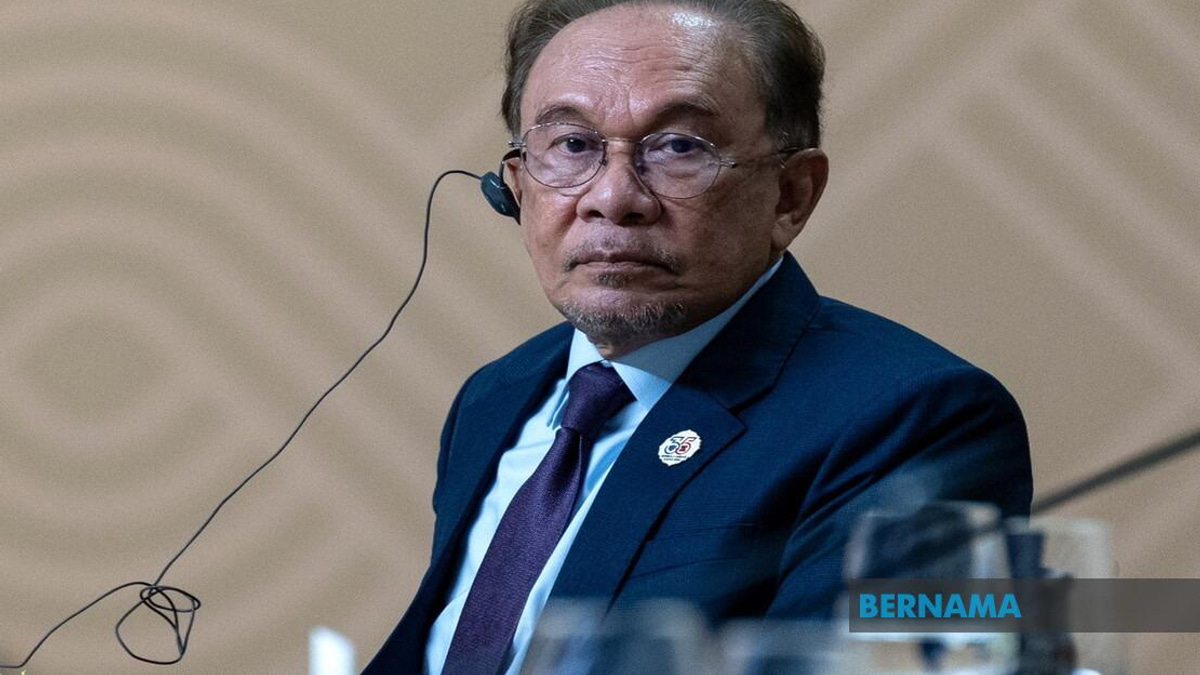
Muhyiddin Yassin, the former Prime Minister and Bersatu chairman, has declared his party's willingness to engage PAS in direct political confrontation across all avenues available to them. The statement represents an escalation in intra-coalition tensions within Perikatan Nasional and signals shifting dynamics in Malaysia's complex political landscape as major state elections approach.
The declaration comes at a critical juncture for both parties. Bersatu, which has struggled to establish a dominant position within the PN coalition alongside PAS, appears intent on reasserting its relevance through electoral contests in strategically important states. Johor and Negeri Sembilan represent significant battlegrounds where both parties have competing interests and voter bases, making control of these territories crucial for determining the coalition's direction and resource allocation.
Bersatu's commitment to contest both upcoming state elections under the PN banner rather than fragmenting through alternative political arrangements suggests the party remains committed to coalition politics despite evident frustrations. This strategy differs markedly from earlier political manoeuvring in which various opposition and coalition parties have switched allegiances or negotiated separate electoral compacts. By maintaining unity through the PN structure while simultaneously preparing for confrontation, Bersatu appears to be attempting to balance internal party interests with broader coalition cohesion.
The challenge posed by Bersatu to PAS reflects deeper concerns about representation and influence within Perikatan Nasional. Since the coalition's formation, PAS has occupied an increasingly dominant position, particularly following strong electoral performances in several states and the federal parliament. This dominance has created friction with other coalition partners who feel sidelined in decision-making processes and resource distribution, concerns that Muhyiddin's comments directly address.
For Malaysian readers and political observers, the implications are considerable. The PN coalition, which positioned itself as an alternative to both the BN-led establishment and the opposition Pakatan Harapan, faces internal pressures that could undermine its unity. Should Bersatu pursue an aggressive strategy against PAS in Johor and Negeri Sembilan, the two parties risk fragmenting votes and inadvertently strengthening other competitors. This scenario could fundamentally reshape the political landscape in these states and influence national coalition calculations.
Johor holds particular significance as Malaysia's second-largest state economy and a traditional bastion of Umno-aligned politics. Any meaningful shift in political control there would have reverberations throughout the peninsula and affect federal-level coalition dynamics. Negeri Sembilan, though smaller, occupies strategic importance within the broader Klang Valley region and maintains its own political significance as a swing state capable of influencing broader regional outcomes.
Muhyiddin's bellicose rhetoric must also be understood within the context of Bersatu's electoral performance and party sustainability. The organisation has faced persistent challenges in building a stable organisational structure and maintaining membership momentum since its formation. Electoral contests provide opportunities to demonstrate party relevance and rebuild grassroots support networks that have atrophied amid coalition leadership responsibilities and internal reorganisation.
The timing of these statements, preceding formal announcements of election dates and campaigning periods, suggests a deliberate effort by Bersatu to establish negotiating positions before actual electoral contests commence. By signalling aggressive intent, the party may be attempting to secure better negotiated positions regarding candidate selection, campaign resource allocation, and post-election power-sharing arrangements within both state governments and the broader coalition.
Regional observers should note that this intra-coalition tension reflects broader patterns affecting opposition and coalition politics across Southeast Asia. As parties struggle to balance ideological commitments with electoral necessity and resource competition, tensions emerge between partners nominally aligned through formal agreements. The sustainability of PN depends substantially on whether parties like Bersatu and PAS can manage these contradictions or whether fundamental incompatibilities will force restructuring.
Muhyiddin's statement also carries implications for potential realignments at the federal level. Should Johor or Negeri Sembilan elections result in significant Bersatu gains at PAS expense, leverage calculations within parliament and the cabinet would shift. Conversely, if PAS consolidates control, questions will arise regarding Bersatu's continued utility within the coalition, potentially triggering broader political repositioning.
The coming weeks will reveal whether Bersatu's competitive declaration translates into substantive campaign differentiation or represents rhetorical positioning designed to extract concessions from coalition partners. Observers should monitor candidate selection processes in both states, campaign messaging strategies, and resource deployment patterns to gauge genuine commitment to confrontation versus tactical negotiation. These electoral contests will substantially determine whether PN can maintain coherence or whether Malaysian coalition politics will experience further fragmentation.