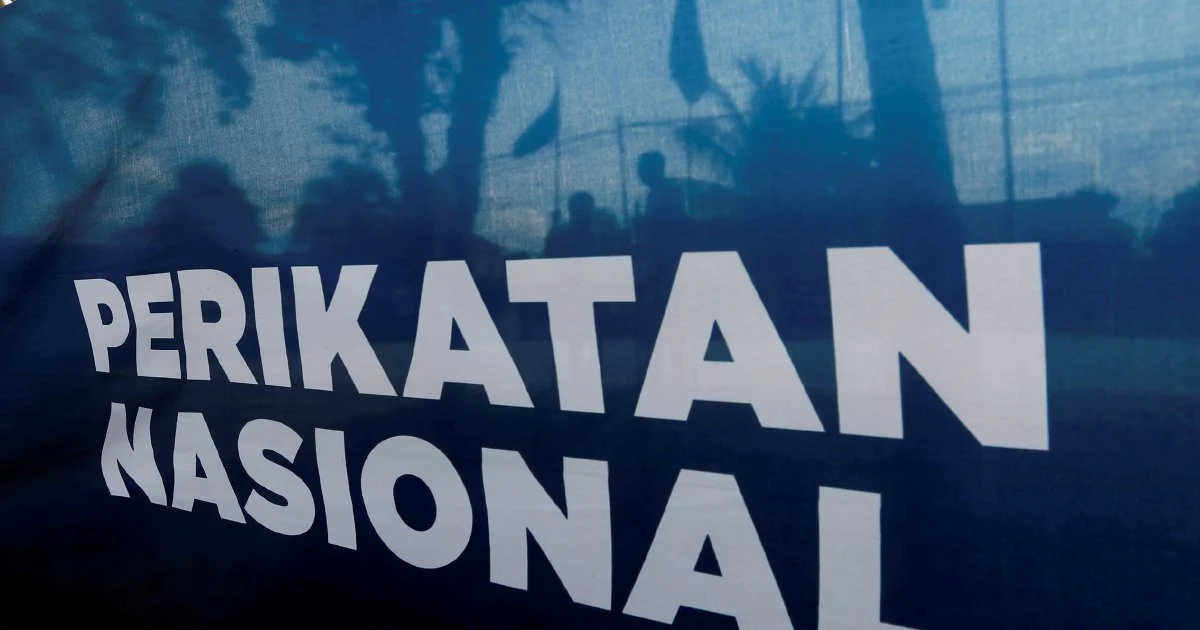
Datuk Seri Mohamed Azmin Ali and Datuk Dr Mohd Radzi Md Jidin have lost their positions within the Perikatan Nasional leadership hierarchy as the opposition coalition implements fresh structural changes to reshape its hierarchy. The moves signal the latest round of internal reorganisation as PN grapples with maintaining cohesion among its constituent parties and navigating the evolving political landscape ahead of anticipated electoral contests.
The removals from PN's leadership framework represent a significant recalibration of the coalition's power dynamics. Both figures had previously held designated responsibilities within the broader PN structure, which encompasses PAS, PKR splinter faction HAMIM, and smaller allied groups. The decision to step back their roles suggests evolving priorities within the coalition's leadership as it seeks to reposition itself for upcoming political challenges.
Azmin's political trajectory has been notably volatile in recent years. Originally an established figure within PKR, his dramatic departure from the party and subsequent alignment with rival blocs marked one of Malaysian politics' more contentious defections. His involvement in various coalition structures has consistently attracted scrutiny and controversy, with his positions frequently scrutinised by party colleagues and observers alike. The removal from PN duties now adds another chapter to his increasingly unpredictable political career.
Radzi, who earlier served in ministerial capacities during specific government formations, has maintained a more measured public profile compared to Azmin. His technical expertise and administrative background positioned him within certain governance frameworks, yet internal coalition dynamics appear to have necessitated his reassignment. The nature of his departure from the PN leadership portfolio suggests tactical repositioning rather than outright marginalisation.
For Malaysian observers tracking opposition politics, these changes merit close attention given PN's importance as a counterweight to the governing coalition. The opposition bloc's internal stability directly influences its capacity to mount credible electoral challenges and provide effective parliamentary scrutiny. Leadership reshuffles, particularly those involving experienced figures, often herald broader strategic pivots within political organisations.
The restructuring occurs within a broader context of Malaysian coalition politics characterised by fluid alignments and frequent organisational adjustments. Unlike established democracies where opposition structures remain relatively stable, Malaysian political blocs undergo continuous modification as parties recalibrate relationships and reassess personnel contributions. Such frequent changes sometimes complicate public understanding of opposition positioning on key policy matters.
Regional implications deserve consideration as well. Southeast Asian observers monitoring Malaysian political developments often view domestic coalition changes as indicators of broader stability and democratic health. Opposition movements that appear disorganised or prone to internal upheaval may undermine regional perceptions of Malaysia's political robustness, particularly concerning the independence of its democratic institutions.
The specific timing of these removals warrants examination. Political reshuffles rarely occur without deliberate purpose, whether addressing performance concerns, accommodating constituent party pressures, or preparing for anticipated electoral contests. The decision to act on both appointments simultaneously suggests coordinated strategic thinking rather than isolated personnel decisions. This indicates PN leadership identified pressing reasons necessitating the changes across multiple positions.
For PKR, from which Azmin originally originated, these developments in rival coalition structures carry particular relevance. The treatment of defectors within competing political blocs occasionally influences how parent parties manage their own internal discipline and party loyalty frameworks. Observing how PN handles high-profile figures who previously belonged to rival organisations provides useful data about Malaysian coalition cultures and their respective approaches to managing party transitions.
Moving forward, PN faces the challenge of demonstrating that its reorganisations strengthen rather than weaken its operational capacity. Opposition coalitions require clear role allocation and functional hierarchies to coordinate parliamentary activities and public messaging effectively. Leadership changes must therefore result in improved coordination rather than creating vacuums that undermine coalition functionality. The coming months will reveal whether these adjustments enhance PN's coherence or create additional internal friction.
The broader Malaysian political environment continues evolving as the government and opposition both position themselves for anticipated developments. PN's recent restructuring forms part of this larger calculus, with coalition leadership presumably calculating that the new arrangements better serve their organisational objectives and political viability. Whether these calculations prove correct will ultimately depend on how effectively the reorganised coalition operates in parliamentary proceedings and public advocacy in the period ahead.