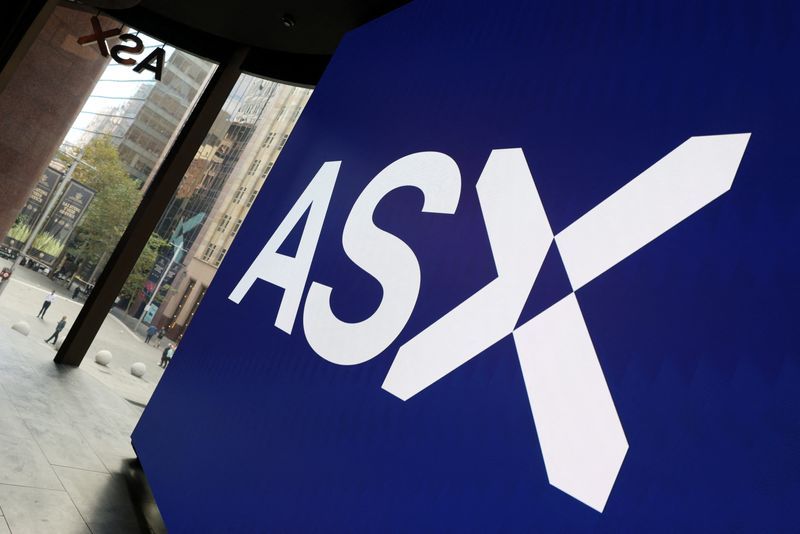
Australia's ASX Limited has conceded that it made misleading public statements regarding progress on a major software upgrade that ultimately failed, reaching a settlement with the corporate regulator that includes a substantial financial penalty. The exchange will pay A$20.5 million (US$14.50 million) to resolve allegations by the Australian Securities & Investments Commission (ASIC) that its 2022 announcements about the troubled Clearing House Electronic Subregister System (CHESS) project misrepresented the state of the work. The settlement, pending Federal Court approval, closes a formal enforcement action initiated by ASIC in August 2024 and represents a significant regulatory rebuke for one of the Asia-Pacific region's most important market infrastructure operators.
The core issue centres on statements ASX made in early 2022 about the CHESS replacement initiative, which had been slated to go live the following year. Internal records showed that by late 2021, ASX's own risk assessments had classified the project with a "red" status, signalling material delivery risks that warranted urgent attention. Yet when the exchange announced then-chief executive Dominic Stevens' planned retirement on February 10, 2022, it characterised the replacement system as "progressing well" without disclosing the severity of underlying technical and operational challenges. ASX's audit and risk committee had been briefed on the project's critical status just a week before this public update, making the contrast between internal knowledge and external messaging particularly stark.
The CHESS modernisation programme had become emblematic of infrastructure challenges facing financial markets globally. Originally conceived as a straightforward technology refresh, the project accumulated cost overruns and schedule delays that reflected both technical complexity and, critics have suggested, gaps in governance and project management rigour. ASX ultimately abandoned the initial CHESS effort in November 2022, acknowledging that further attempts to salvage it would be futile. The company then pivoted to a revised approach, with the first phase of a redesigned clearing system commencing operations in April 2024 and completion now projected for 2029—a delay that underscores just how ambitious the original timeline had been.
The reputational implications of this settlement extend beyond the immediate financial cost. For Malaysian investors and regional market participants who depend on ASX as a critical trading venue, the disclosure breach raises questions about confidence in the exchange's governance culture and the transparency of its communications during periods of operational stress. Regional fund managers and institutional investors increasingly scrutinise the operational resilience and governance standards of foreign exchanges where they conduct business, and revelations about misleading statements can affect investment decisions and market participation strategies across Southeast Asia.
Analysts have been cautious in their assessments of what the settlement signals about ASX's future trajectory. Kai Chen, Director at MPC Markets, noted that while the penalty formally concludes the legal dispute, the reputational damage and underlying structural questions will persist unless ASX demonstrates genuine cultural reform or faces genuine competitive pressure to improve. This observation resonates across Asia-Pacific financial markets, where trust in infrastructure operators has become increasingly fragile following recent technology failures and governance lapses at other venues. ASX's ability to rebuild confidence will be critical for maintaining its position as the region's leading integrated market operator.
Beyond the settlement, ASX must also contribute A$3 million towards ASIC's legal costs incurred during the enforcement action. Both the main penalty and the costs contribution will be recognised as non-recurring significant items in the exchange's fiscal 2026 financial statements, a treatment that essentially quarantines the impact but also signals to investors that management views this as a one-off event rather than part of a pattern. The accounting treatment reflects ASX's argument that the misconduct, while serious, represented a failure of specific disclosure practices rather than a systemic problem with its business model or risk management architecture.
The market's reaction to the settlement announcement proved relatively muted, with ASX shares closing up 2.6 percent at A$50.46 on the day of the agreement, outpacing the broader ASX 200 index's 1.3 percent gain. This modest positive movement suggests investors may view the settlement as clearing a major overhang rather than as an indictment of the company's long-term prospects. However, the lack of a sharp sell-off should not be mistaken for complacency about governance concerns, particularly given that ASX faces ongoing scrutiny from ASIC and other regulators regarding market supervision, technology risk management, and operational resilience standards.
The CHESS replacement programme itself remains a critical focus for ASX stakeholders across the region. The revised project, now expected to reach completion by 2029, must deliver significant improvements to clearing and settlement infrastructure that serves billions of dollars in daily trading across Australian and regional markets. Any further delays or failures could prompt regulatory intervention or even pressure for structural changes to the exchange's ownership or governance arrangements—a scenario that would have implications well beyond Australia for integrated regional market operators.
For Malaysian and Southeast Asian market participants, the ASX settlement underscores the importance of regulatory vigilance around infrastructure providers and the value of robust disclosure enforcement. As regional capital markets develop deeper integration and more complex cross-border operations, the governance standards of major market operators take on heightened significance. Investors and firms that rely on ASX facilities for regional hedging, capital raising, or investment execution will continue monitoring how the exchange rebuilds stakeholder confidence and whether regulatory and competitive dynamics drive genuine operational improvements in its technology platforms and governance frameworks.