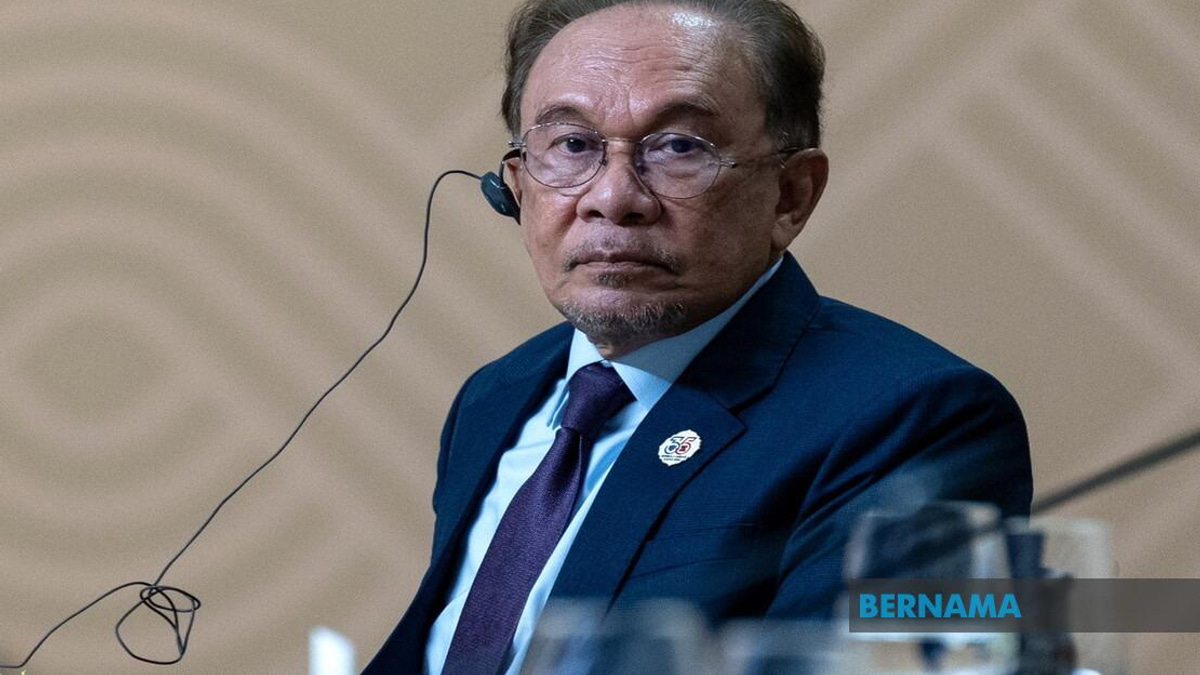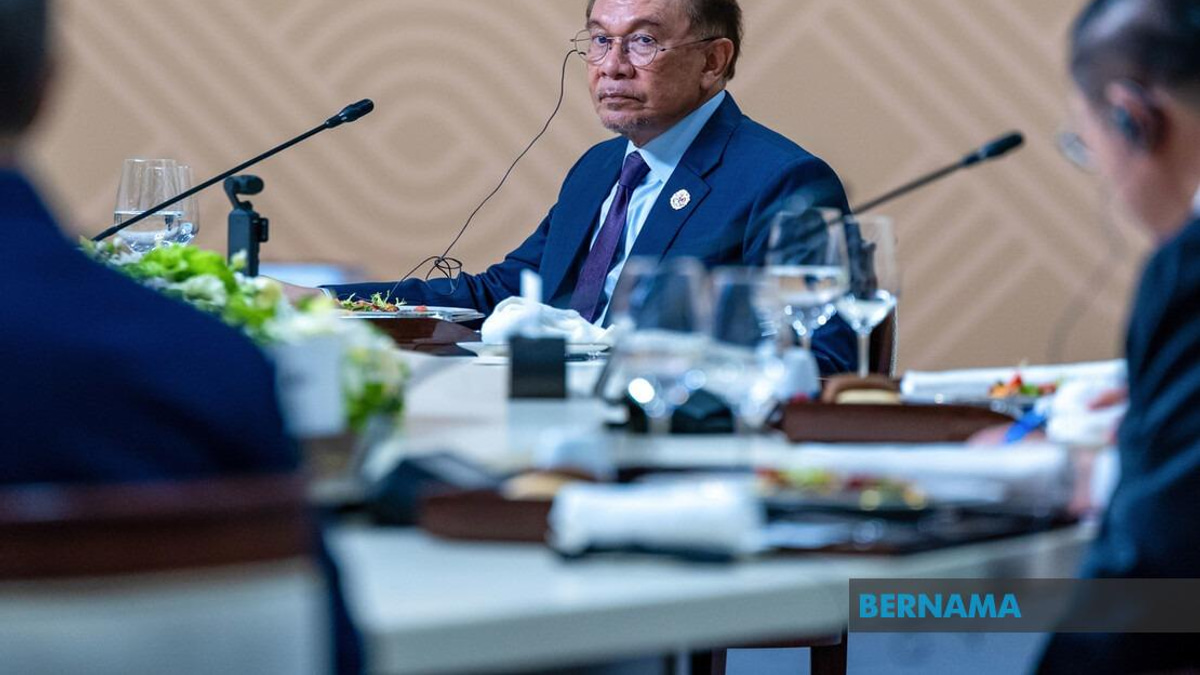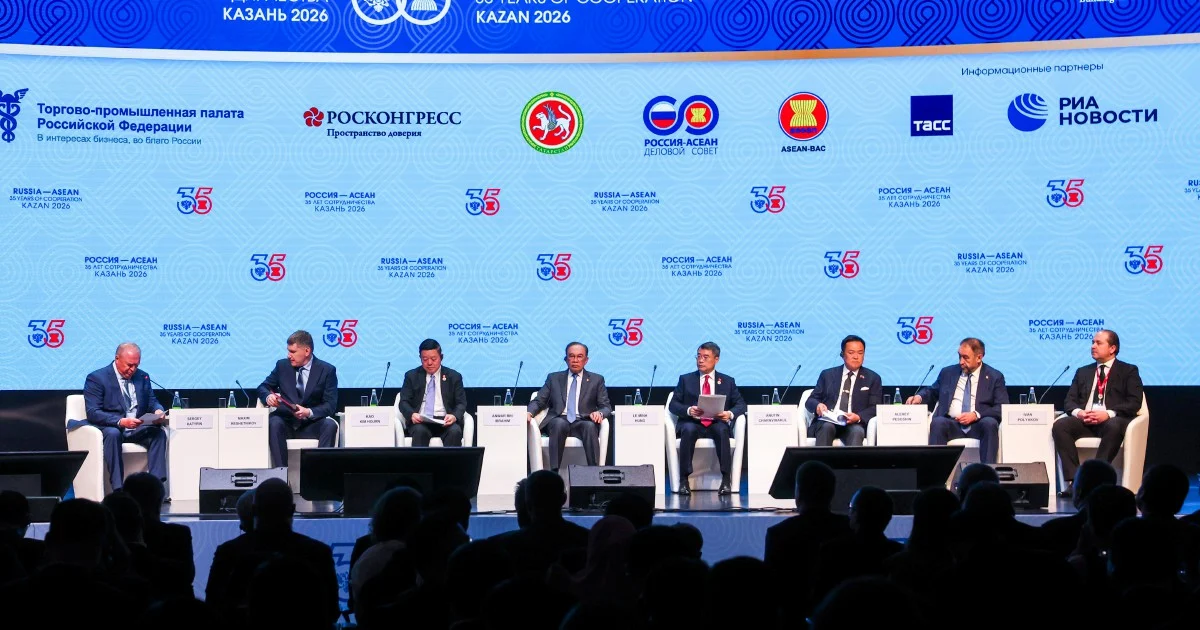
Prime Minister Datuk Seri Anwar Ibrahim has made a fresh appeal for Asean and Russia to significantly expand their partnership across a range of strategically important areas that could reshape regional economic dynamics and strengthen food and energy independence throughout Southeast Asia. Speaking from Kazan, the Malaysian leader outlined an ambitious framework for deepened engagement that goes beyond traditional diplomatic courtesies to address pressing contemporary challenges facing both blocs.
The emphasis on food security reflects mounting regional anxieties about supply chain vulnerabilities and agricultural sustainability. Southeast Asia, home to over 650 million people, remains heavily dependent on global food imports despite significant domestic agricultural capacity. Russia's vast agricultural output and grain reserves position it as a natural partner for addressing these structural weaknesses. Collaborative initiatives could include joint ventures in agricultural technology transfer, capacity building for smallholder farmers, and development of regional food storage infrastructure to buffer against market volatility and geopolitical disruptions that frequently destabilise pricing.
Energy cooperation represents perhaps the most strategically consequential dimension of the proposed partnership. As Southeast Asian economies pursue rapid industrialisation and electrification, energy demands continue to climb steeply. Russia's vast hydrocarbon resources and established expertise in energy infrastructure development offer compelling opportunities for technology sharing and investment. For Malaysia specifically, such cooperation could enhance energy security while diversifying sources beyond traditional suppliers, a consideration that gains urgency as global energy markets face persistent uncertainty.
Advanced manufacturing constitutes another pillar where substantive collaboration could generate significant value. Russian expertise in precision engineering, aerospace components, and heavy industrial processes could complement Southeast Asia's growing manufacturing base. Joint industrial parks and technology incubation centres could facilitate knowledge transfer while creating employment opportunities across the region. This sector-specific cooperation would be particularly valuable for Vietnam, Thailand, and Indonesia, which are progressively moving up manufacturing value chains.
The inclusion of digital technologies in Anwar's framework acknowledges the accelerating pace of technological disruption reshaping global commerce and governance. Russia possesses considerable technical talent and innovation capacity in software development, cybersecurity, and telecommunications infrastructure. Asean nations stand to benefit substantially from partnerships facilitating digital transformation, particularly in modernising financial systems, enhancing digital governance, and building robust cyber defence capabilities. Such cooperation becomes increasingly vital as digital ecosystems become critical national infrastructure.
Educational exchanges represent the softer infrastructure undergirding all other forms of cooperation. Expanded scholarship programmes, academic partnerships, and vocational training initiatives would cultivate mutual understanding while developing skilled workforces equipped for contemporary economic participation. Universities across Southeast Asia could establish collaborative research programmes in areas ranging from renewable energy to agricultural biotechnology, creating intellectual foundations for sustained technological progress.
Anwar's intervention signals Malaysia's conviction that Asean must maintain pragmatic engagement with multiple global powers rather than align exclusively with any single bloc. This positioning reflects Malaysia's broader strategic doctrine of hedging between major powers while maximising bilateral benefits. The timing of these remarks carries additional significance given escalating geopolitical tensions in other regions and efforts by various powers to expand their spheres of influence through economic integration.
The Asean bloc collectively represents the world's fifth-largest economy and a crucial crossroads for global trade. Russia, despite economic sanctions and international isolation on certain issues, retains substantial natural resources, technical expertise, and market potential. For smaller Asean economies particularly, expanded Russian engagement diversifies their external relationships and reduces vulnerability to pressure from any single source.
Implementing such expanded cooperation will require establishing institutional frameworks and governance structures capable of managing complex bilateral relationships. Trade agreements, investment protocols, and sectoral working groups would need careful negotiation to ensure mutual benefit. Asean's institutional mechanisms, while sometimes cumbersome, provide established channels through which such initiatives could be formalised and monitored.
The proposal also carries implications for regional stability and security architecture. Deeper economic interdependence between Asean and Russia could influence regional positioning on broader geopolitical questions. However, Asean's fundamental principle of non-alignment provides protective guardrails against becoming entangled in extra-regional conflicts or power competitions.
For Malaysia specifically, enhanced cooperation with Russia in these sectors aligns with the nation's economic diversification objectives and technological ambitions articulated in recent development plans. Food security improvements, energy resilience, and digital infrastructure advancement directly serve Malaysian national interests while contributing to regional prosperity.
The initiative also demonstrates Anwar's broader diplomatic orientation emphasising strategic autonomy and active engagement with diverse international partners. Rather than accepting a subordinate position in predetermined alignments, Malaysia and other Asean members are actively constructing partnerships tailored to specific developmental needs and economic opportunities.
Moving these concepts toward concrete outcomes requires sustained political commitment, technical expertise, and realistic resource allocation. The coming months will reveal whether these aspirations translate into substantive agreements or remain at the level of strategic rhetoric. Either way, Anwar's articulation of expanded Asean-Russia cooperation reflects evolving regional calculations about how Southeast Asian nations can maximise development opportunities within an increasingly multipolar international system.