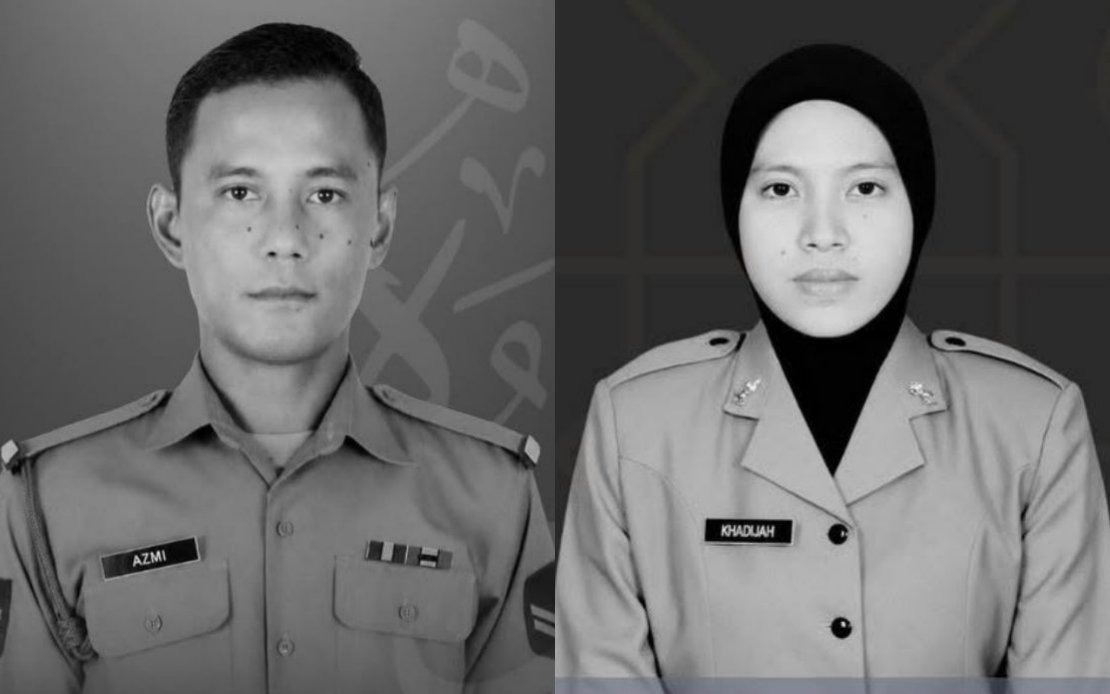
The Malaysian Army has officially identified the two service members who lost their lives in an explosion at the Hobart Camp shooting range in Gurun, Kedah, on the morning of June 16. The fatal incident occurred during a grenade-throwing training exercise, claiming the lives of Corporal Norazmi Abu Bakar, attached to the 6th Battalion of the Royal Malay Regiment, and Private Siti Khadijah Sungip, serving with the 1st Squadron of the Royal Army Engineers Regiment. Both soldiers suffered critical injuries in the blast at approximately 10.57 am and were pronounced dead while en route to Sultan Abdul Halim Hospital in Sungai Petani, highlighting the severity of the accident and the immediate threat it posed to their survival.
The tragic incident unfolded as the personnel were participating in the RAJD Combat Enhancement Training programme, which falls under the command structure of the 2nd Infantry Division. This training regimen forms part of the Army's broader commitment to maintaining operational readiness and ensuring that personnel across its various units develop proficiency in essential combat skills. Grenade-throwing exercises represent a critical component of military training, designed to familiarize soldiers with explosive ordnance handling and tactical deployment. However, such training operations inherently carry significant risk, requiring meticulous adherence to safety protocols and comprehensive supervision of participants.
Following the incident, the remains of both deceased soldiers were scheduled to undergo post-mortem examination at Sultanah Bahiyah Hospital in Alor Setar, a standard procedure in cases involving unexplained deaths and fatalities resulting from workplace or training incidents. This medical examination will aim to determine precise causes of death and document injuries sustained, providing crucial information that may assist investigators in reconstructing the sequence of events leading to the explosion.
The tragedy has prompted immediate action at the highest levels of military command. Army Chief General Tan Sri Azhan Md Othman has directed a comprehensive and urgent investigation to establish the underlying cause of the accident. Such investigations typically examine multiple factors, including the condition of training materials and equipment used during the exercise, adherence to prescribed safety procedures by personnel involved, environmental conditions at the training site, and the qualifications and experience of supervising instructors. The findings are intended to prevent recurrence of similar incidents and inform improvements to training protocols across the service.
Beyond the investigation itself, General Tan Sri Azhan Md Othman extended formal condolences to the families and loved ones of both deceased soldiers, acknowledging the profound loss they have sustained. He publicly urged the bereaved families to find strength during this extraordinarily difficult period, recognizing the emotional toll such incidents inflict on military communities and the broader families of fallen personnel. In Malaysia's military context, such expressions of sympathy from senior leadership carry particular significance, reflecting institutional recognition of personal sacrifice and commitment to supporting those left behind.
The Malaysian Army has also made a broader commitment regarding training safety going forward. Officials have assured the public and military stakeholders that all aspects of training safety protocols will undergo continuous review and enhancement based on findings emerging from the investigation into this incident. This reflects an institutional acknowledgment that training-related accidents, while tragic, can generate valuable insights into systemic vulnerabilities and opportunities for procedural improvement. The commitment suggests the Army intends to conduct comprehensive audits of training practices, equipment maintenance schedules, and supervision standards across units engaged in high-risk exercises.
From a regional perspective, this incident underscores challenges faced by military institutions across Southeast Asia in balancing operational training requirements against soldier safety. Nations including Malaysia, Singapore, Thailand, and the Philippines have all experienced training-related fatalities in recent years, prompting similar reviews and protocol adjustments. The Malaysia incident serves as a stark reminder that even in professionally managed military systems with established safety frameworks, unexpected accidents can occur. The dedication of both Corporal Norazmi Abu Bakar and Private Siti Khadijah Sungip to their military service, exemplified by their participation in demanding training exercises, reflects the commitment demonstrated daily by thousands of Malaysian service members.
The particular significance of Private Siti Khadijah Sungip's death extends beyond the immediate tragedy. As a female soldier serving in the Royal Army Engineers Regiment, her presence in active military service reflects Malaysia's ongoing evolution regarding women's roles in the armed forces. The loss of any service member represents a setback to institutional diversity and inclusion efforts, underscoring how training accidents impact not only individual families but also broader military organizational objectives.
The investigation findings, once completed, will likely be shared with military training establishments throughout Malaysia and potentially with regional defence partners as part of information-sharing protocols on safety matters. Such incidents generate important lessons that extend beyond a single unit or military branch, contributing to institutional knowledge about preventing similar tragedies. The Malaysian Army's commitment to transparent investigation and systematic safety improvements reflects professional military standards and institutional accountability to both the soldiers under its command and the Malaysian public that these personnel serve.