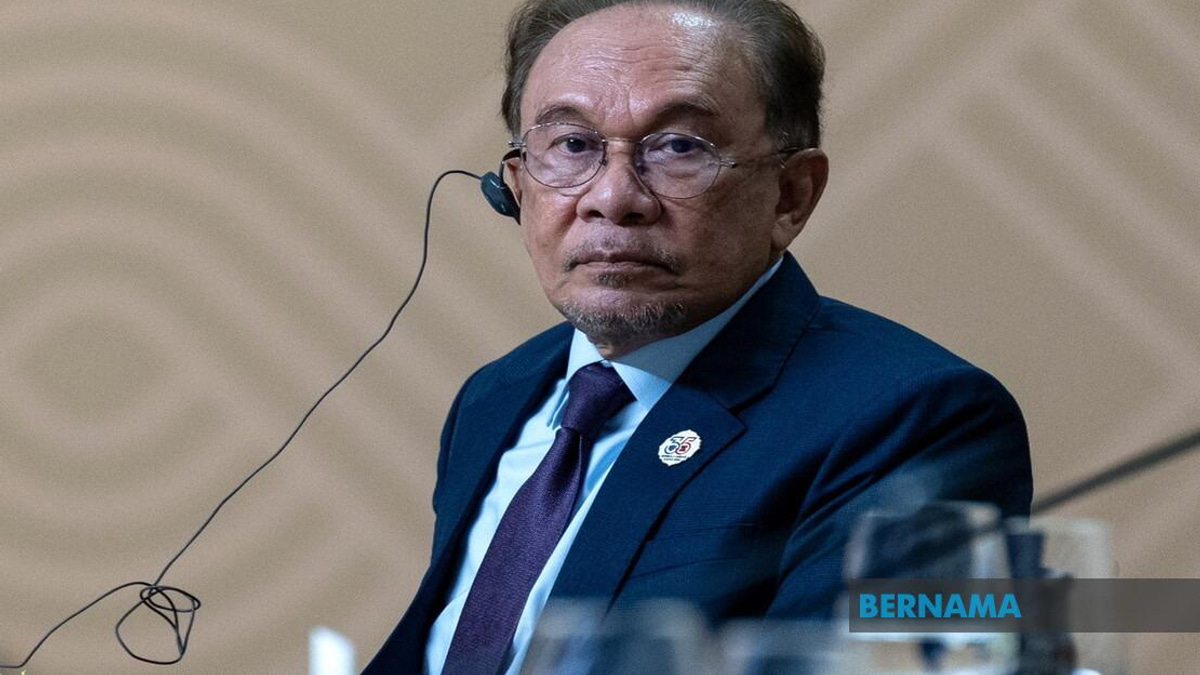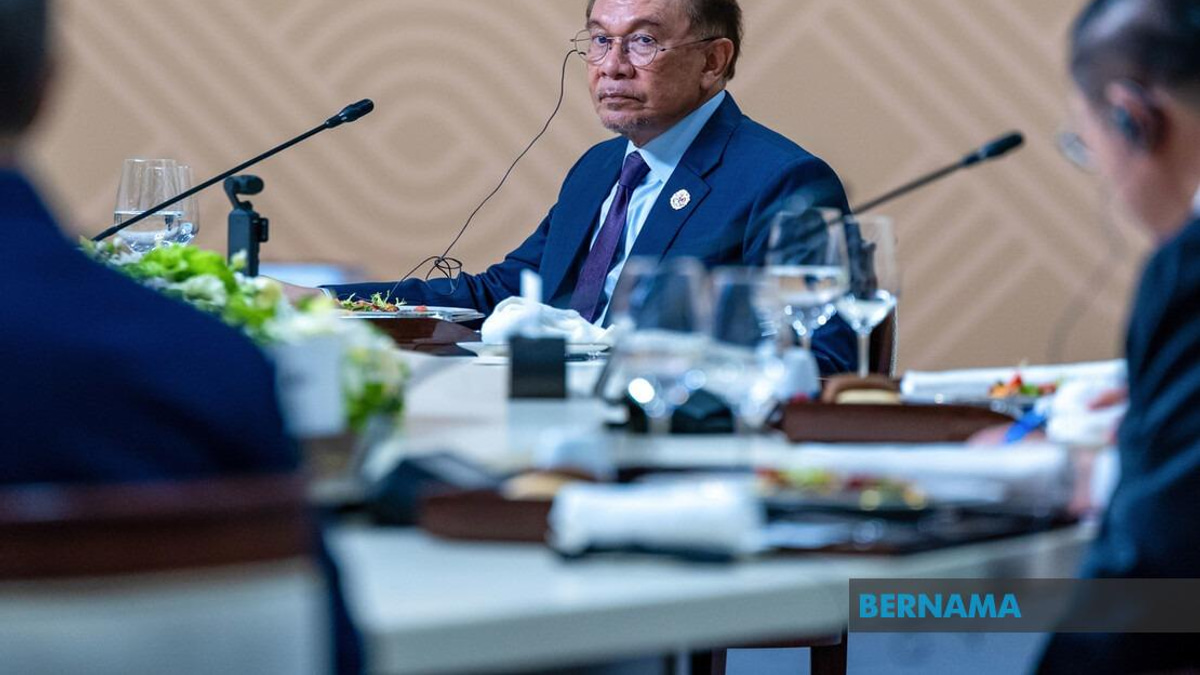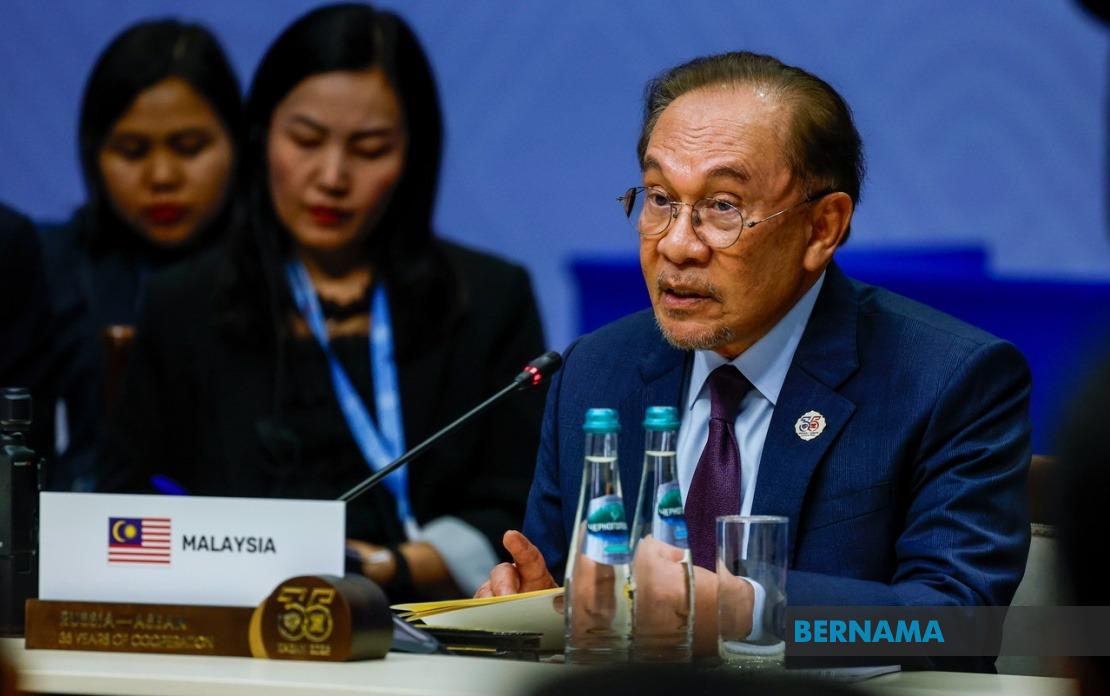
Prime Minister Datuk Seri Anwar Ibrahim has made a strong appeal for ASEAN and Russia to substantially deepen their partnership across numerous strategic domains, speaking at the ASEAN-Russia Commemorative Summit in Kazan. His intervention during the plenary session stressed that the current global landscape—characterised by mounting challenges and unpredictability—makes such enhanced cooperation more vital than ever. Malaysia's leader framed the summit as a crucial platform for both blocs to chart collaborative pathways in an environment where traditional multilateral frameworks face increasing strain.
The thrust of Anwar's address centred on the necessity of maintaining diplomatic channels and promoting dialogue as the bedrock for managing conflicts and geopolitical rivalries. He articulated Malaysia's conviction that sustainable peace emerges only through conversation, mutual understanding, and adherence to established international legal norms. This positioning reflects Kuala Lumpur's broader foreign policy stance as a bridge-builder within ASEAN, particularly as tensions between major powers reshape regional dynamics. For Malaysian and Southeast Asian observers, Anwar's emphasis on dialogue signals continuity in the region's traditional non-aligned approach, even as geopolitical pressures mount.
Anwar identified a comprehensive range of cooperation areas deserving urgent attention from both ASEAN and Moscow. Trade and investment partnerships topped his list, reflecting the economic dimensions that underpin geopolitical relationships. He added digital infrastructure, scientific research, and technological advancement—domains where Russia possesses considerable expertise—to the agenda. Notably, artificial intelligence featured prominently, signalling recognition that technological competition and collaboration will shape regional power dynamics in coming decades. Energy cooperation, food security enhancement, the halal industry's expansion, and cultural and people-to-people exchanges rounded out his enumeration, each addressing distinct but interconnected concerns affecting ASEAN populations.
The halal industry's inclusion in Anwar's address carries particular significance for Malaysia and other Muslim-majority ASEAN nations. This sector represents not merely economic opportunity but also cultural affirmation and religious identity within the international marketplace. Russia's nascent but growing engagement with halal certification and Islamic finance opens avenues for ASEAN exporters and entrepreneurs to access markets previously underutilised. Such cooperation could position Southeast Asia as a crucial intermediary in halal supply chains connecting Islamic economies globally with Russian markets and distribution networks.
Regional tensions received direct attention when Anwar addressed the Middle Eastern situation. He reiterated Malaysia's demand for an immediate halt to violence in Gaza, unfettered humanitarian corridor access, and Palestinian self-determination rights. His criticism extended to what he characterised as the expansion of Israeli military operations into Lebanese territory and any actions targeting the United Nations Interim Force in Lebanon. These statements reflect ASEAN's broader solidarity with Palestinian causes and the organisation's alignment on Middle Eastern matters—a position that has intensified as the conflict has deepened. For Malaysia particularly, championing Palestinian rights remains a cornerstone of domestic and foreign policy, resonating across the Muslim population.
The commemorative summit itself held symbolic weight beyond its immediate diplomatic agenda. Marking the 35th anniversary of ASEAN-Russia relations dating back to 1991, when the relationship formalised in Kuala Lumpur, the gathering acknowledged three and a half decades of evolving engagement. That the first formal contact occurred in Malaysia underscores Kuala Lumpur's historical role in facilitating ASEAN-external actor dialogue. The passage of time has witnessed numerous transformations in global order, yet this partnership persists, suggesting underlying compatibility in interests despite competing global alignments elsewhere.
Leadership attendance substantiated the summit's elevated importance within ASEAN's diplomatic calendar. Philippines President Ferdinand Marcos Jr, serving as this year's ASEAN Chair, participated alongside representatives from all member states, creating a unified bloc presence. Such consistent high-level attendance demonstrates ASEAN's commitment to engaging Russia despite pressures from Western capitals to isolate Moscow following its Ukraine invasion. The summit thus functioned as a statement of ASEAN's determination to maintain strategic autonomy and pursue relationships based on its own perceived interests rather than external pressure.
Four substantive outcome documents emerged from the proceedings, establishing frameworks for collaboration extending into the next half-decade. The Kazan Declaration commemorated the 35-year milestone while affirming both parties' commitment to deepening ties. Separate statements on energy and cultural cooperation addressed distinct but critical domains. Most significantly, the comprehensive action plan for 2026–2030 provided detailed mechanisms and timelines, transforming rhetorical commitment into operational guidance. These documents collectively constitute a roadmap ensuring that cooperation transcends ceremonial exchanges to produce tangible benefits for ASEAN economies and their Russian counterparts.
The energy cooperation framework deserves particular attention given Southeast Asia's rising power demands and Russia's established position as a major energy supplier. Traditional petroleum and gas transactions form only part of this landscape; renewable energy collaboration, nuclear technology transfer, and efficiency improvements across sectors could substantially reduce energy costs and carbon intensity for ASEAN nations. Such cooperation becomes increasingly valuable as the region pursues dual objectives of economic growth and climate commitments, creating space where Russian technological capability and Malaysian-led ASEAN ambition can align productively.
For Malaysia specifically, deepened ASEAN-Russia relations offer multiple advantages. Enhanced trade mechanisms could expand markets for Malaysian palm oil, electronics, and manufactured goods, particularly in a geopolitical context where traditional Western markets present unpredictable access. Technology transfer in AI and digital sectors could accelerate Malaysia's own transformation toward higher-value economic activities. Educational and scientific exchanges promise to enrich Malaysian research institutions and workforce capabilities. Concurrently, Malaysia's position as a bridge between ASEAN and external powers gains reinforcement, enhancing its diplomatic relevance and regional influence.
Anwar's confidence in ASEAN-Russia potential reflected broader optimism about the partnership's trajectory despite international headwinds. He emphasised that cooperation rooted in mutual respect, reciprocal benefits, and shared commitment to global stability could generate substantial positive outcomes. This framing sidesteps the binary framing prevalent in Western discourse that pressures nations to choose between alignment with Western institutions and engagement with Russia, instead asserting ASEAN's space for independent decision-making and multiple partnerships.
The summit's outcome documents and Anwar's statements collectively signify ASEAN's determination to engage strategically with all major powers while maintaining internal unity. In an era of great power competition, such deliberate non-alignment carries increasing value for developing economies seeking maximum flexibility and minimum vulnerability. The ASEAN-Russia partnership, refreshed and reinvigorated through the Kazan summit, exemplifies this approach, enabling Southeast Asian nations to harness opportunities from multiple sources while resisting pressure toward exclusive alignment.
Looking forward, implementation of the 2026–2030 action plan will demonstrate whether rhetorical commitment translates into substantive cooperation that genuinely benefits ASEAN economies. Success requires overcoming infrastructure limitations, regulatory harmonisation challenges, and competing priorities within the diverse ASEAN membership. Nevertheless, the summit has established sufficient momentum and institutional frameworks to justify optimism about the partnership's evolution during the coming years.