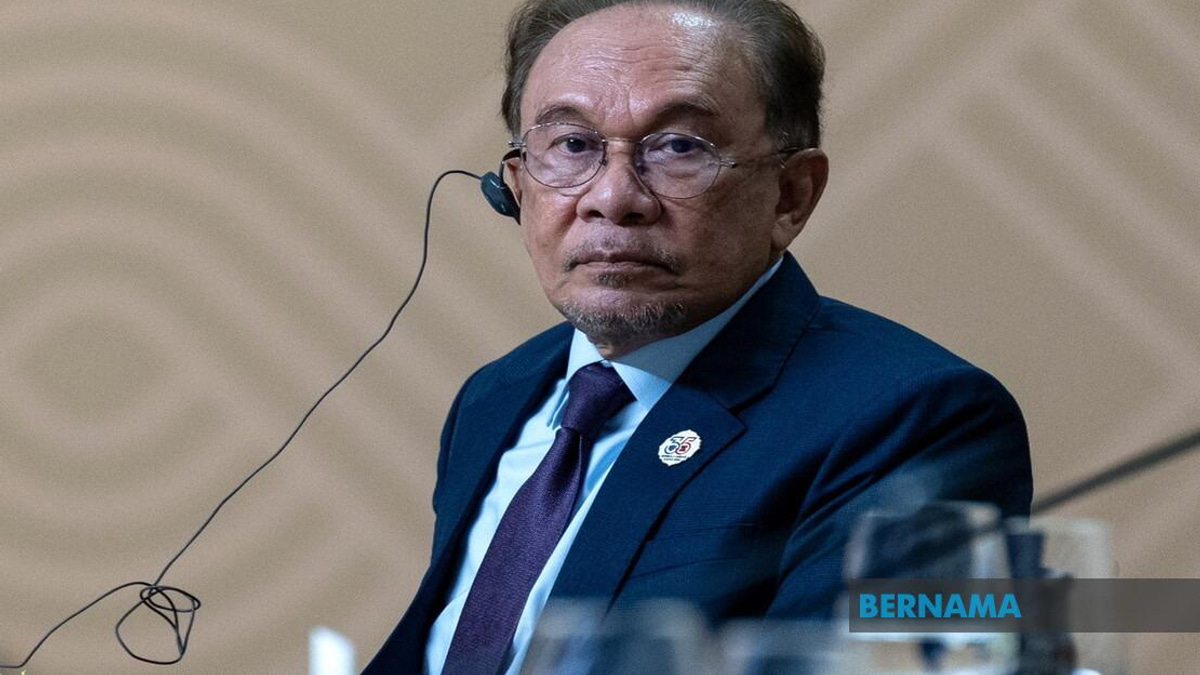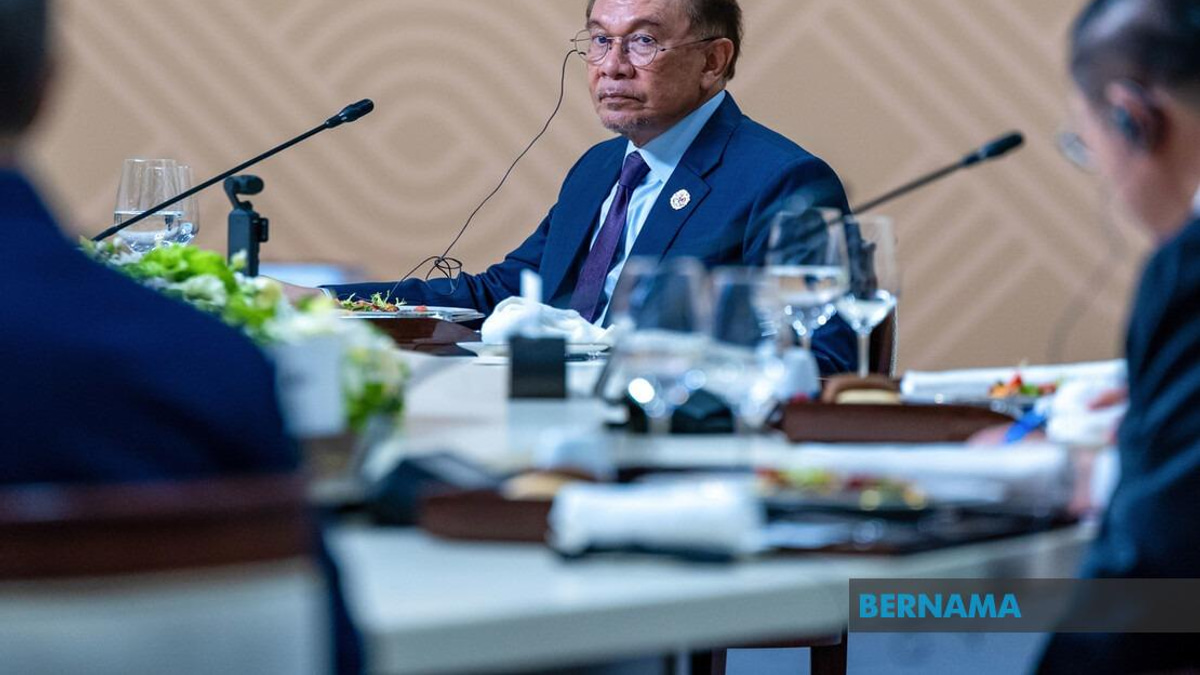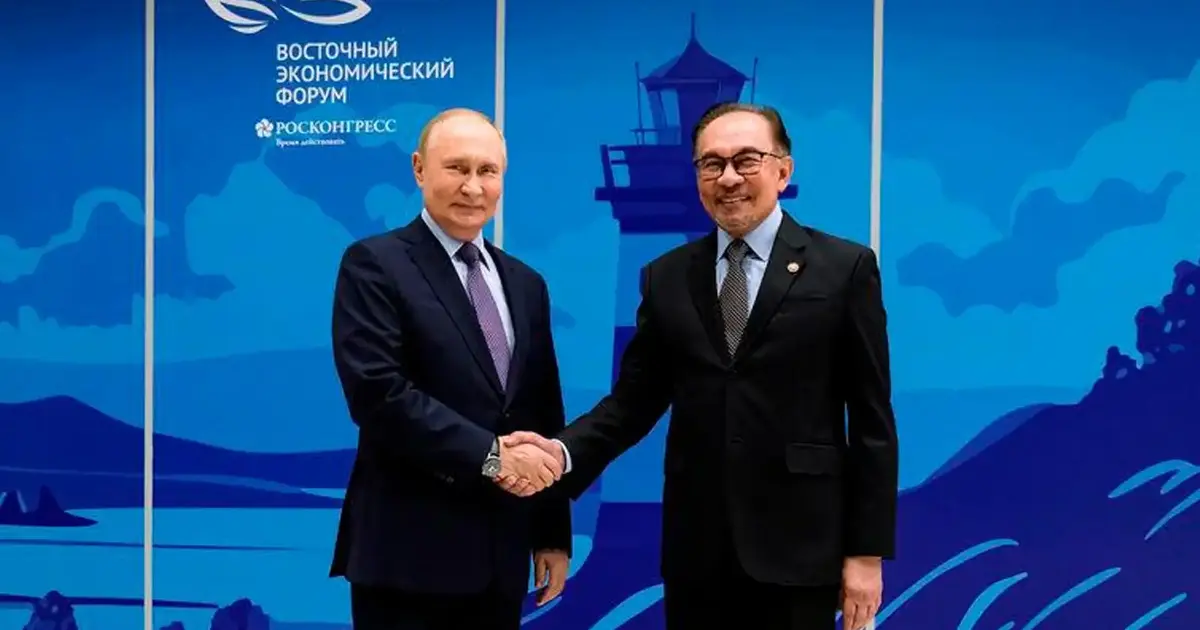
Prime Minister Anwar Ibrahim is set to embark on a working visit to Russia beginning tomorrow, with fuel supply discussions featuring prominently on his diplomatic agenda. The visit represents a significant engagement between Malaysia and Russia at the highest levels, reflecting the importance both nations place on their bilateral relationship and mutual economic interests in the energy sector.
The planned meeting with Russian President Vladimir Putin will provide an opportunity for Malaysia to address energy security concerns that have become increasingly relevant for the nation's economic planning. As a country with substantial energy consumption across manufacturing, transportation, and residential sectors, Malaysia's approach to securing reliable fuel supplies reflects broader regional anxieties about energy independence and price stability in Southeast Asia.
According to the Prime Minister's office, the visit will extend beyond bilateral engagement, incorporating a wider diplomatic platform that brings together leaders from the Association of Southeast Asian Nations and Russian counterparts. This multilateral dimension underscores Malaysia's role as a bridge-builder within Asean, capable of leveraging its standing to facilitate broader conversations between the regional bloc and major global powers.
The timing of this visit carries particular significance given the volatile global energy landscape and shifting geopolitical alignments. Russia, as a major hydrocarbon exporter, holds considerable leverage in energy negotiations with Asian nations seeking diversified supply sources. For Malaysia, such high-level engagement signals a strategic intent to strengthen relationships with energy-producing nations beyond its traditional partners, potentially reducing vulnerability to supply disruptions or price volatility in international markets.
Bilateral fuel supply arrangements between countries typically involve complex negotiations spanning pricing mechanisms, payment terms, and long-term supply commitments. Malaysia's engagement with Russia on these matters suggests the government is exploring options that might offer competitive alternatives to existing suppliers, while simultaneously strengthening diplomatic ties with a major global actor.
The inclusion of other Asean leaders in discussions with Russian leadership reflects a coordinated regional approach to energy security. Several Southeast Asian nations face comparable challenges in securing affordable and reliable energy supplies, making collective engagement with Russia potentially beneficial for addressing shared interests in the energy domain. Such multilateral discussions can yield agreements that benefit the entire region rather than individual countries negotiating in isolation.
Russia's relationship with Asean has experienced periods of fluctuation but remains strategically important for both sides. Southeast Asia represents a significant market for Russian energy exports, while Asean offers Russia opportunities to strengthen its presence in Asia amid shifting global power dynamics. These working-level engagements help maintain communication channels and explore cooperation possibilities across various sectors beyond energy.
Malaysia's diplomatic outreach to Russia should be viewed within the context of the nation's broader foreign policy framework emphasizing non-alignment and pragmatic engagement with major powers regardless of ideological differences. The country has historically maintained that addressing practical national interests through dialogue and cooperation serves Malaysia's development objectives better than adopting rigid positions based on geopolitical alignments.
For Malaysian businesses dependent on stable energy pricing, including transportation companies, petrochemical manufacturers, and power generation operators, successful negotiations on fuel supply can have direct implications for operational costs and competitiveness. Government-level discussions often lay groundwork for subsequent commercial arrangements between private entities in both countries, making these diplomatic engagements consequential for the broader economy.
The working visit also provides context for understanding how Malaysia navigates its relationships with countries facing international sanctions or diplomatic isolation. By engaging directly with Russian leadership on matters of mutual economic interest, Malaysia demonstrates its independent foreign policy approach and refusal to allow geopolitical pressures from other powers to dictate its international relationships.
Energy security represents one of the most critical long-term challenges facing Malaysia and the broader Southeast Asian region. As economies expand and electricity demand grows, nations must secure diverse sources of fuel at reasonable prices to sustain development. Discussions between Malaysian leadership and Russian officials on these matters reflect the practical reality that addressing such fundamental needs requires engagement across traditional diplomatic and geopolitical divisions.
The Asean dimension of these talks highlights how regional challenges increasingly prompt collective responses from member states. When multiple Southeast Asian nations face comparable energy security concerns, coordinated diplomatic engagement with major suppliers can produce more favorable outcomes than individual national efforts. This approach also reinforces Asean cohesion and demonstrates the bloc's capacity to act as a collective force in international negotiations.
Looking forward, the outcomes of these discussions may influence Malaysia's energy policy trajectory, investment in fuel infrastructure, and longer-term strategic partnerships in the energy sector. While specific agreements may take months to negotiate and finalize, these high-level political commitments typically signal intent that translates into substantive cooperation at technical and commercial levels, benefiting Malaysia's energy security objectives and broader economic stability.