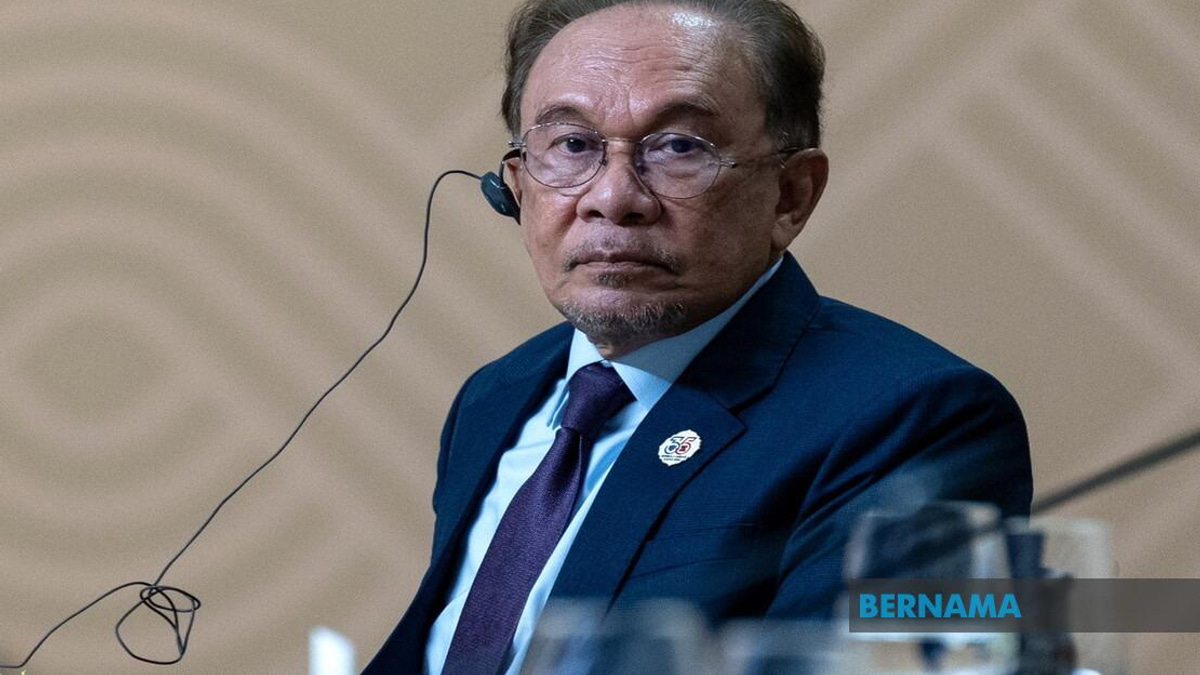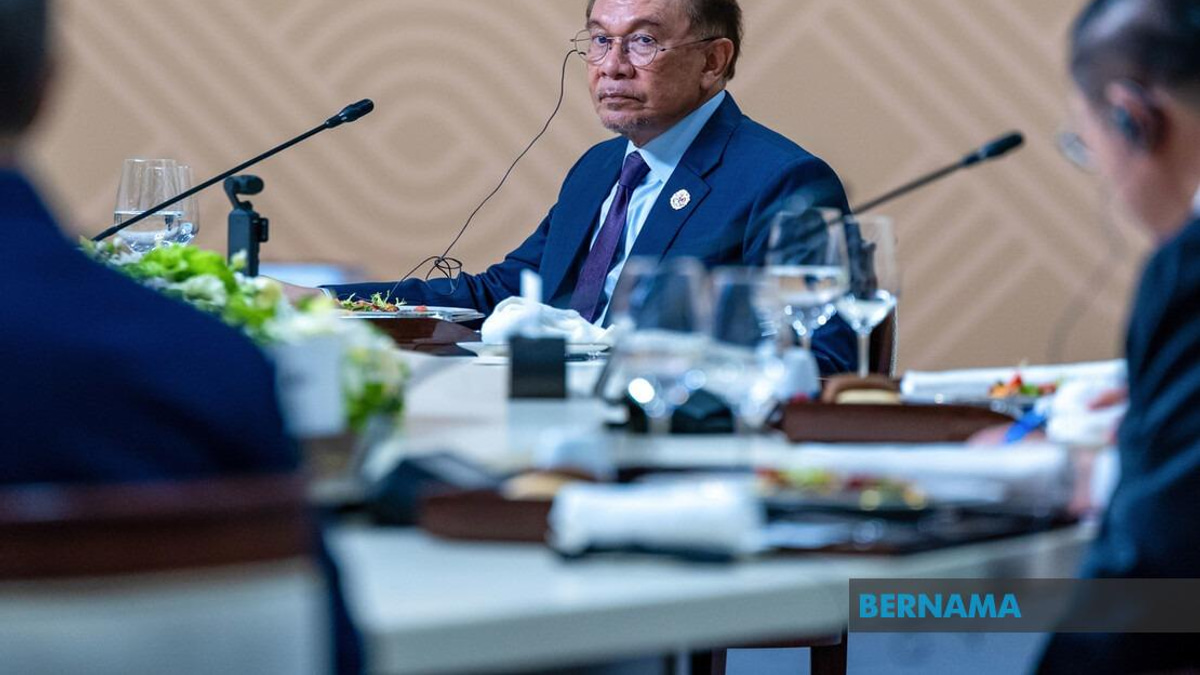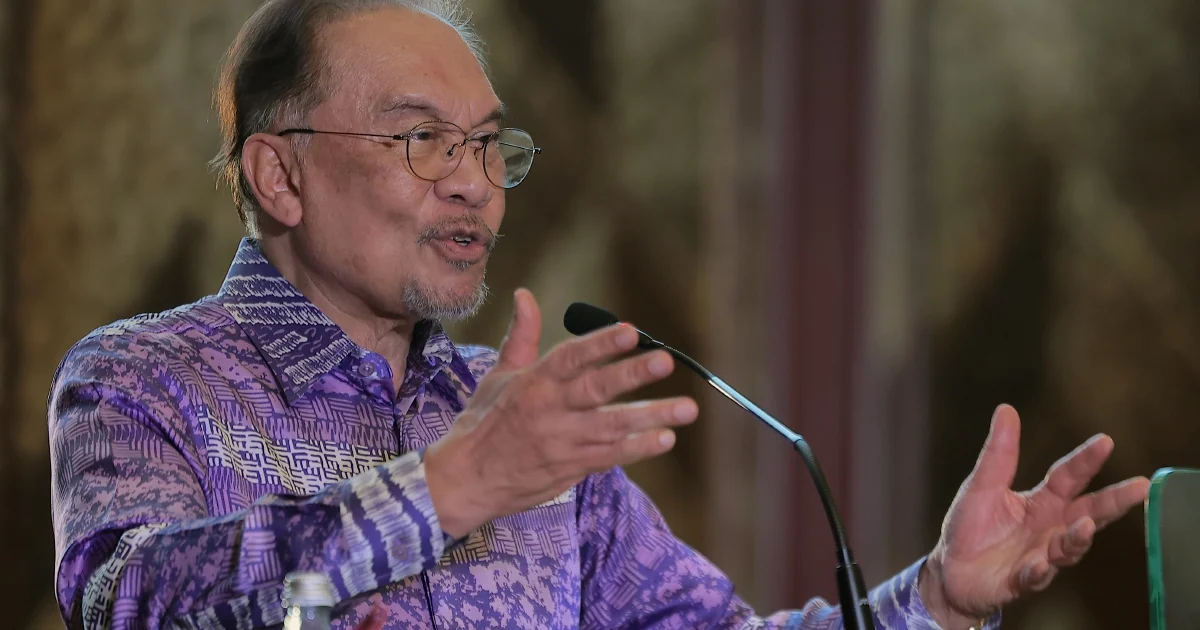
Prime Minister Datuk Seri Anwar Ibrahim is set to undertake a significant diplomatic engagement in Kazan, the capital of Russia's Tatarstan Republic, beginning June 17 for a scheduled two-day working visit aimed at reinforcing ties between Malaysia and Russia at multiple governmental levels. The trip represents a strategic opportunity to expand bilateral relations beyond traditional capital-to-capital exchanges and to deepen Asean's broader engagement with Moscow during a period of shifting geopolitical alignments in the region.
During his time in Kazan, Anwar will hold substantive discussions with Rais of the Republic of Tatarstan Rustam Minnikhanov, one of Russia's most influential regional leaders. Minnikhanov's position as head of a major federal subject gives the engagement particular weight, signalling Malaysia's interest in connecting with Russia's diverse political and economic centres beyond Moscow. The Tatarstan leader wields considerable authority over one of Russia's most economically developed regions, making him a key interlocutor for advancing trade, investment, and cultural exchange initiatives.
The timing of the visit carries regional significance. As Malaysia holds influence within Asean, the diplomatic mission serves to signal the bloc's continued commitment to maintaining substantive engagement with Russia despite international sanctions and tensions. Malaysia's diplomatic efforts reflect a broader Southeast Asian strategy of balancing great power relationships while pursuing pragmatic economic and political interests. This approach has become increasingly important as regional states navigate complex geopolitical pressures demanding careful navigation of relations with major powers.
Tatarstan itself represents an important window into contemporary Russia beyond the headlines of Moscow's foreign policy establishment. The region has pursued its own development agenda, with significant investment in technology, manufacturing, and energy sectors. Its capital Kazan has emerged as a hub for international forums and cultural exchange, making it an appropriate venue for exploring expanded people-to-people connections and institutional partnerships between Malaysia and Russia.
The visit underscores Malaysia's intent to preserve channels of communication and cooperation with Russia despite international complications. Economic partnerships remain viable across multiple sectors, including energy, manufacturing, and emerging technology domains. For Malaysia, maintaining productive bilateral relationships with diverse international actors remains central to its foreign policy doctrine of non-alignment and strategic autonomy.
From the Asean perspective, coordinated diplomatic engagement with Russia helps ensure the region retains influence in broader international discussions affecting Southeast Asia's interests. As a bloc, Asean has historically maintained its own independent foreign policy trajectory, neither fully aligned with Western-led initiatives nor subordinate to Beijing or Moscow. Regular high-level exchanges with Russian leadership, conducted through member states like Malaysia, reinforce Asean's relevance and bargaining position in international forums.
The bilateral agenda will likely encompass trade expansion, particularly in areas where Malaysian expertise complements Russian capabilities. Energy cooperation, palm oil and agricultural exports, halal food products, and knowledge exchange in engineering and technology represent potential growth areas. Malaysia's experience in managing diverse religious and cultural communities also positions it as a valuable partner for Tatarstan, which itself contains significant Muslim populations and serves as an important centre for Islam in Russia.
Beyond economics, the visit reflects Malaysia's soft power strategy of building personal relationships between leaders and establishing institutional partnerships. Regular engagement at the highest levels creates foundations for sustained cooperation and helps prevent misunderstandings during international crises. The two-day format allows for extended discussions beyond formal protocol, enabling substantive conversations about regional challenges and opportunities.
For Russia, receiving Malaysian leadership in Kazan demonstrates the country's continued capacity to engage with global partners despite international isolation. Tatarstan's enthusiasm for hosting international delegations reflects the region's interest in maintaining global connections and projecting itself as a forward-thinking centre of development within the Russian Federation. The meeting thus serves both parties' strategic interests in demonstrating their continued international relevance and openness to dialogue.
The visit also provides opportunities to discuss global issues affecting both Malaysia and Russia, including development cooperation in third countries, United Nations matters, and coordination on regional security concerns. Climate change, pandemic preparedness, and technological advancement represent areas where bilateral and multilateral cooperation could yield mutual benefits. These discussions often prove most productive when conducted in the context of substantive relationship-building rather than through formal multilateral channels.
As Malaysia navigates its position within shifting regional dynamics, maintaining strong relationships with major powers including Russia remains strategically prudent. The Kazan visit exemplifies this approach, combining bilateral relationship-building with broader Asean interests in preserving strategic autonomy and influence in international affairs.